








Imagine the frustration of over-ordering perishables, leading to unnecessary waste and profit loss, or running out of a signature dish during peak hours, disappointing loyal customers. These common inventory mishaps highlight the urgent need for restaurant inventory management to maintain profitability and customer satisfaction.
With Malaysia’s foodservice industry projected to grow from USD 14.75 billion in 2025 to USD 27.5 billion by 2030, competition is becoming more intense. To stay ahead, restaurants must implement efficient inventory strategies to reduce waste, optimize stock levels, and enhance operational control.
Key Takeaways
|
What is Restaurant Inventory Management?
Restaurant inventory management is the process of tracking and controlling all the stock your restaurant needs to operate from raw ingredients and beverages to cleaning supplies and kitchen equipment. By implementing inventory management software, businesses can streamline tracking, minimize waste, and prevent costly stock shortages.
A well-structured kitchen inventory management system enables restaurants to monitor ingredient usage, optimize purchases, and reduce operational costs. With tools like POS-integrated tracking, restaurants can optimize restaurant stock by accurately forecasting demand and replenishing supplies at the right time.
To maintain accuracy, regular stock audits and restaurant inventory management best practices like setting “par levels” help prevent shortages and excess inventory. Inventory management in the restaurant industry ensures seamless operations, improves financial control, and enhances overall profitability.

Why Restaurant Inventory Management Matters?
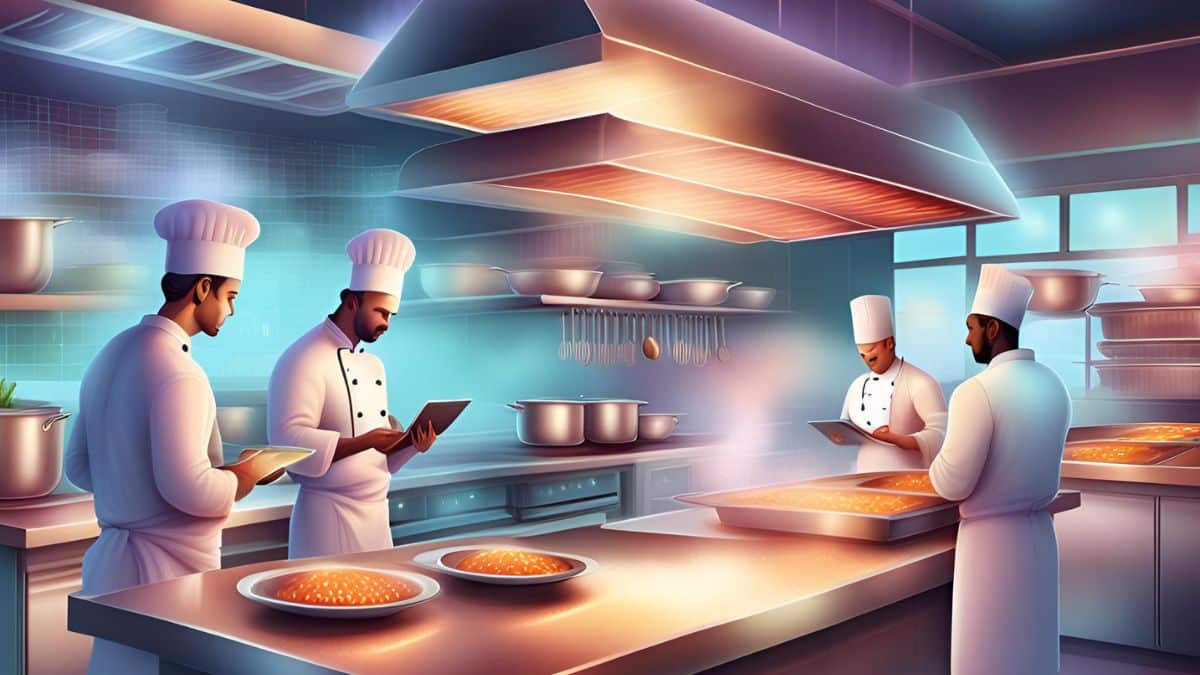
Below are the key reasons restaurant inventory management best practices are essential for business sustainability:
-
-
- Maximizes profitability and reduces waste: Effective inventory management ensures that restaurants maintain optimal stock levels, preventing over-purchasing and spoilage. By tracking inventory efficiently, businesses can minimize waste, lower operational costs, and increase profitability.
- Enhances cash flow and resource allocation: A structured inventory system prevents capital from being tied up in excess stock, allowing for better financial management. Utilizing restaurant inventory management software helps restaurants allocate resources efficiently and make data-driven purchasing decisions.
- Prevents stockouts and improves customer satisfaction: Maintaining the right stock levels ensures that essential ingredients are always available, preventing menu disruptions and substitutions. Stock level optimization is crucial in delivering consistent service and retaining customer loyalty.
- Improves decision-making with data insights: A well-organized kitchen inventory management system provides valuable insights into best-selling dishes and seasonal demand trends. This data enables restaurants to optimize their menu offerings and improve business strategies.
- Strengthens business sustainability: Implementing restaurant inventory management best practices, such as regular audits and setting par levels, enhances long-term operational efficiency. A strong inventory management in the restaurant industry helps restaurants stay competitive and adapt to changing market conditions.
The Benefits of Restaurant Inventory Management

Effective restaurant inventory management is essential for maintaining profitability, reducing waste, and ensuring smooth operations. By utilizing the right systems and strategies, restaurants can optimize stock levels, prevent financial losses, and improve efficiency.Below are the key benefits of implementing structured inventory management in the restaurant industry:
1. Prevents food loss and theft
A well-structured restaurant inventory management system helps track every ingredient and supply, reducing the chances of loss due to mismanagement, theft, or human error. By monitoring stock movement in real-time, restaurant owners can identify discrepancies and take proactive measures to prevent unnecessary losses.
Proper inventory tracking also ensures that food costs remain controlled by improving the stock level optimization process. Additionally, restaurant inventory management software helps businesses detect unusual consumption patterns and implement security measures to minimize shrinkage.
2. Reduces food waste and spoilage
One of the biggest challenges in restaurant inventory management is preventing food waste due to spoilage, over-ordering, or inefficient storage practices. Implementing kitchen inventory management strategies, such as the FIFO (First-In, First-Out) method, ensures that older stock is used first, reducing the risk of expired or wasted ingredients.
Regular inventory checks allow restaurants to optimize order quantities, preventing excess stock from going to waste. Moreover, integrating restaurant inventory management best practices helps automate expiration tracking and generate timely order recommendations to minimize spoilage.
3. Optimizes stock levels and demand forecasting
Maintaining the right stock levels is essential for balancing supply and demand while avoiding unnecessary expenses. Restaurant stock optimization allows businesses to predict ingredient consumption and adjust purchasing patterns accordingly accurately.
Restaurant inventory management software provides real-time data and analytics to help restaurants make informed decisions about stock replenishment. By tracking usage trends and seasonal fluctuations, businesses can maintain ideal inventory levels and prevent costly overproduction or stock shortages.
4. Improves financial management and cost control
Effective food inventory management best practices contribute to better financial oversight by providing detailed insights into cost structures and profit margins. With support from integrated ERP software, restaurant owners can calculate each dish’s true cost, helping optimize menu pricing and profitability.
Additionally, tracking inventory usage through robust restaurant inventory management reduces unnecessary expenditures, freeing up capital for other business needs. A strong kitchen inventory management process ensures that financial resources are allocated efficiently, supporting long-term business sustainability.

5. Enhances operational efficiency and staff productivity
A streamlined restaurant inventory management system improves overall workflow by minimizing manual stock tracking and reducing human errors. Automating inventory processes with an inventory management system allows staff to focus more on service quality than stock counting.
Training employees on best practices for restaurant inventory management helps them understand portion control, reduce misfires, and improve kitchen efficiency. With a more structured approach to stock management, restaurants can enhance productivity while maintaining consistency in food quality and service.
Types of Restaurant Inventory
Effective restaurant inventory management requires understanding the different types of inventory that keep your business running smoothly. Each category is vital in maintaining food quality, ensuring cost efficiency, and improving overall restaurant stock optimization.
Below are the key categories of inventory that every restaurant should manage effectively:
-
-
- Perishable ingredients: Perishable inventory includes fresh produce, meats, dairy products, and baked goods, all of which have short shelf lives and require careful handling. Implementing kitchen inventory management techniques, such as the FIFO (First-In, First-Out) method, helps minimize spoilage and ensures ingredients remain fresh for serving.
- Dry goods and pantry staples: These items, including grains, spices, and canned foods, have longer shelf lives but require proper storage conditions to maintain quality. Utilizing restaurant inventory management software helps track stock levels and prevent unnecessary overstocking, ensuring cost-effective purchasing and storage.
- Beverages and liquor stock: From non-alcoholic drinks to wines and spirits, beverage inventory requires specialized storage, such as temperature-controlled environments and strict stock rotation. Efficient inventory management in the restaurant industry ensures that popular drinks are always available while minimizing losses due to spoilage or theft.
- Non-food supplies and consumables: This category includes essential items like cleaning products, paper napkins, packaging materials, and kitchen utensils, which are often overlooked in inventory planning. Implementing restaurant inventory management best practices ensures these supplies are well-stocked, reducing kitchen and service operations disruptions.
- Operational equipment and tools: Restaurant inventory is not just about food—it also includes appliances, cookware, and maintenance tools that need proper tracking and periodic replacement. A well-structured stock level optimization strategy ensures these assets are well-maintained and prevents costly breakdowns that could impact service efficiency.
-
By categorizing and managing inventory effectively, restaurants can enhance efficiency, reduce waste, and improve financial control. Leveraging restaurant inventory management software ensures that each stock category is monitored accurately, helping businesses maintain a seamless and profitable operation.
Common Inventory Management Terms for Restaurants
Understanding key restaurant inventory management terms is essential for maintaining accurate stock control and improving operational efficiency. These terms help restaurant owners and staff track ingredient usage, optimize stock levels, and prevent financial losses.
Below are the most important terms used in inventory management in the restaurant industry.
1. Cost of Goods Sold (COGS): COGS represents the total cost of ingredients used to prepare menu items within a specific period, directly impacting profitability. By monitoring this metric, restaurants can assess pricing strategies, control expenses, and optimise stock levels.
2. First In, First Out (FIFO): FIFO is a stock rotation method ensuring that older inventory is used before newer stock, reducing spoilage and food waste. This restaurant inventory management best practice is crucial for maintaining food quality and minimizing financial losses.
3. Food Cost Percentage: This metric calculates the cost of ingredients as a percentage of the menu price, helping restaurants determine profitability. Effective kitchen inventory management ensures that food cost percentages remain within target margins, balancing cost efficiency with quality.
4. Par Level: Par level refers to the ideal amount of stock that should always be available to meet demand without overstocking. Implementing inventory management software helps maintain these levels automatically, ensuring smooth operations and preventing last-minute shortages.
5. Variance: Variance is the difference between recorded inventory and actual stock, often caused by errors, theft, or waste. Regular audits and restaurant inventory management best practices help minimize variance, ensuring financial accuracy and reducing unnecessary losses.
By familiarizing themselves with these essential terms, restaurant owners can enhance their inventory tracking, improve cash flow management, and reduce waste. Leveraging restaurant inventory management software further streamlines stock control, making operations more efficient and profitable.
Restaurant Inventory Management Tips to Implement in Your Business
Effective restaurant inventory management is crucial for minimizing waste, controlling costs, and ensuring smooth kitchen operations. By adopting structured stock control strategies, restaurants can optimize purchases, improve financial accuracy, and maintain consistent food quality.
Below are essential tips for enhancing inventory management in the restaurant industry:
-
-
- Maintain accurate inventory counts consistently: Regular and consistent inventory checks prevent discrepancies and ensure stock accuracy. To improve efficiency, use restaurant inventory management software, which automates stock tracking, updates inventory in real-time, and minimizes manual errors.
- Organize food storage efficiently: Proper storage organization reduces miscounts and enhances accessibility for kitchen staff. Grouping items by category, labeling shelves, and implementing kitchen inventory management practices like FIFO (First In, First Out) ensures better stock rotation and minimizes food waste.
- Assign a dedicated stock-taking team: Having a trained and consistent inventory management team helps ensure stock count accuracy. Implementing a two-person verification system minimizes errors and aligns with inventory management in the restaurant industry standards.
- Implement an inventory consumption sheet: Tracking daily inventory usage helps identify waste patterns and improve purchasing decisions. By using an inventory management system, restaurants can analyze usage trends, detect inefficiencies, and adjust order quantities accordingly.
- Train staff on inventory procedures: Educating employees on proper stock tracking, portion control, and waste management enhances operational efficiency. Ensuring all team members follow restaurant inventory management best practices helps maintain consistency, reduce errors, and optimize cost control.
- Monitor sell-through rates: Tracking the sell-through rate of different ingredients helps determine which items are in high demand and which are underutilized. Using restaurant stock optimization strategies, such as adjusting menu items or purchasing patterns, ensures minimal waste and maximum profitability.
- Track sales data daily: Linking inventory tracking with daily sales data ensures that stock replenishment aligns with customer demand. Integrated inventory management software allows restaurants to adjust orders dynamically, preventing shortages and excess inventory buildup.
- Automate reordering to prevent stockouts: Setting automated reorder points ensures that essential stock levels are maintained without the risk of overstocking. Modern restaurant inventory management software can predict demand trends and streamline procurement, ensuring smooth kitchen operations.
- Safeguard against mistakes and losses: Implementing a strict inventory control system, such as requiring double verification for stock entries, reduces errors and prevents theft. Regular variance analysis, comparing recorded stock levels with actual inventory, enhances stock level optimization and financial oversight.
- Keep a backup supply of fast-moving items: Certain high-demand ingredients, such as popular proteins or beverages, should always have a backup supply to handle unexpected spikes in orders. However, following inventory management best practices, such as monitoring freshness and storage conditions, ensures that surplus stock does not lead to unnecessary waste.
-
By implementing these inventory management strategies, businesses can reduce operational costs, improve efficiency, and maintain a well-balanced stock system. Investing in restaurant inventory management software further enhances accuracy, providing real-time insights for better decision-making and financial control.
How ERP Software Supports Restaurant Inventory Management
Once you have the fundamentals in place, the next question becomes: how do you maintain all of this consistently especially as your restaurant grows or operates across multiple locations?
This is where Restaurant ERP (Enterprise Resource Planning) software comes in. An ERP system brings together all the key functions of your operation inventory management, procurement, point of sale, accounting, and HR into one connected platform. Instead of managing separate tools that don’t talk to each other, everything works in sync.
What ERP Brings to Restaurant Inventory Management
Unlike traditional and conventional inventory systems, with Restaurant Inventory Software, restaurant can automated stock control, real-time tracking, and smart forecasting, also restaurants can optimize inventory, reduce waste, and enhance operational efficiency.
Here are some benefits that can be obtained by a restaurant by implementing ERP software in its system:
-
-
- Real-time stock tracking: Every sale automatically updates inventory levels, so managers always have an accurate picture of what’s available without waiting for end-of-day counts.
- Automated reordering: The system can be configured to generate purchase orders automatically when stock drops below a set threshold, removing the risk of running out due to human oversight.
- Demand forecasting based on historical data: By analysing past sales patterns, ERP software provides more accurate purchasing recommendations helping you order the right amounts at the right time, every time.
- Multi-location management from one dashboard: For restaurant groups or chains, ERP makes it possible to monitor and manage inventory across all outlets from a single centralised view.
- Integrated reporting and analytics: COGS, food cost percentage, variance reports, and other key metrics are generated automatically, giving management the data they need to make informed decisions faster.
- POS and accounting integration: Sales data flows directly into your inventory and finance systems, eliminating manual data entry and the errors that come with it.
-
Signs Your Restaurant May Need an ERP System
Not every restaurant needs a full ERP from day one. But there are clear signals that your current setup may be holding you back:
-
-
- Stock counts are still done manually using spreadsheets
- Stockouts or overstocking happen more often than they should
- Managing inventory across multiple outlets feels chaotic
- POS data and inventory records are not in sync
- Financial reporting takes too long because data has to be compiled manually
-
Conclusion
Restaurant inventory management is not just a back-of-house administrative task it is one of the most direct levers you have for improving profitability, reducing waste, and keeping customers satisfied. From preventing spoilage to enabling better financial decisions, the impact of getting inventory right touches every part of your operation.
Starting with the basics regular stock counts, FIFO, par levels, and team training can make a significant difference even before any technology is involved. As your restaurant grows, however, managing inventory manually becomes increasingly difficult to sustain without errors or gaps.
If you find that your current approach is no longer keeping up with the demands of your operation, it may be worth exploring a more integrated solution. Modern inventory and ERP systems are designed to take the manual burden off your team, give you real-time visibility into stock levels, and connect your inventory data with the rest of your business from purchasing to accounting.
For those who are curious about what that looks like in practice, many platforms offer a free demo that lets you explore the features hands-on before committing to anything. It’s a low-risk way to see whether the technology fits your workflow and whether the investment is worth it for where your restaurant is headed.
Click Here to Get the Free Demo!
Frequently Asked Questions About Restaurant Inventory Management
-
What is restaurant inventory management and why does it matter?
Restaurant inventory management is the process of tracking and controlling your ingredients and supplies so you always have what you need without overstocking. When done properly, it helps you reduce waste, avoid stockouts during service, and protect your profit margins.
-
How does proper inventory management reduce food waste?
By monitoring stock levels, expiry dates, and usage patterns, you can apply methods like FIFO and order based on real demand instead of guesswork. Regular stock checks and accurate tracking prevent spoilage and over-purchasing that often eat into your margins.
-
What benefits can you expect from using restaurant inventory management tools?
Inventory tools give you real time visibility into stock movement, automate reordering, and reduce manual recording errors. With better data, you can control food costs, improve purchasing decisions, and keep your kitchen operations more predictable.
-
What common challenges should you watch out for?
Inaccurate stock counts, inconsistent audits, and poorly set par levels can still cause shortages or overstocking. Without disciplined monitoring and regular reconciliation, even a busy kitchen can lose control of its inventory.
-