ระบบ ERP คืออะไร?
ERP (Enterprise Resource Planning) คือระบบซอฟต์แวร์ที่ช่วยให้ธุรกิจจัดการและทำงานหลักต่างๆ เช่น การเงิน, ทรัพยากรบุคคล, สินค้าคงคลัง และการจัดซื้อ ได้อย่างอัตโนมัติ โดยการรวมกระบวนการเหล่านี้เข้าไว้บนแพลตฟอร์มเดียว เพื่อให้ทีมงานสามารถทำงานร่วมกันด้วยข้อมูลชุดเดียวกันและมีความชัดเจนในการมองเห็นภาพรวม
ด้วยการเชื่อมต่อแผนกต่างๆ แบบเรียลไทม์ ซอฟต์แวร์ ERP จะช่วยขจัดความซับซ้อนและการทำงานแบบแมนนวล ทำให้ธุรกิจของคุณสามารถตอบสนองได้เร็วขึ้น ตัดสินใจได้อย่างชาญฉลาดขึ้น และเติบโตได้อย่างมั่นใจ
ระบบ ERP สมัยใหม่ยังมาพร้อมกับเครื่องมือ AI ที่ช่วยคาดการณ์ความต้องการ ทำงานอัตโนมัติ และสร้างรายงานที่แม่นยำ ซึ่งจะเปลี่ยนการดำเนินงานประจำวันให้กลายเป็นข้อได้เปรียบในการแข่งขัน
ประโยชน์ของระบบ ERP
ระบบ ERP มอบมากกว่าแค่ความสะดวกสบายทางดิจิทัล แต่ยังขับเคลื่อนคุณค่าทางธุรกิจที่แท้จริง ตั้งแต่การดำเนินงานประจำวันไปจนถึงการวางแผนระยะยาว ซอฟต์แวร์ ERP จะช่วยสร้างโครงสร้างและความชัดเจนให้กับทั้งองค์กรของคุณ ต่อไปนี้คือประโยชน์ที่สำคัญที่สุดที่ธุรกิจจะได้รับเมื่อนำระบบ ERP มาใช้:
1. การลดต้นทุน
ซอฟต์แวร์ ERP ช่วยลดต้นทุนการดำเนินงานโดยการปรับปรุงวิธีการจัดสรรทรัพยากรของธุรกิจ ช่วยให้คุณควบคุมระดับสินค้าคงคลัง รูปแบบการซื้อ และกิจกรรมในห่วงโซ่อุปทานได้ดีขึ้น ลดการสต็อกสินค้าเกินความจำเป็น สินค้าขาดสต็อก และการสูญเสียวัสดุ
เมื่อมีกระบวนการแบบแมนนวลลดลง บริษัทต่างๆ จะสามารถประหยัดเวลาและแรงงานได้ งานต่างๆ เช่น การออกใบแจ้งหนี้ ระบบเงินเดือน หรือการขอจัดซื้อที่เคยต้องใช้เวลาทำงานเต็มที่ สามารถทำได้โดยอัตโนมัติ ส่งผลให้ประสิทธิภาพเพิ่มขึ้นอย่างเห็นได้ชัดและต้นทุนค่าใช้จ่ายส่วนกลางลดลง
2. ข้อมูลเชิงลึกแบบเรียลไทม์
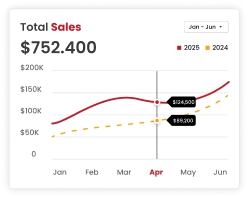
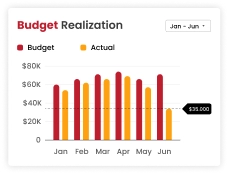
ระบบ ERP สมัยใหม่มีแดชบอร์ดข้อมูลแบบสดที่สะท้อนยอดขาย สินค้าคงคลัง และการเงินล่าสุดของคุณ การมองเห็นแบบเรียลไทม์นี้ช่วยให้ทีมตรวจพบปัญหาได้ตั้งแต่ระยะเริ่มแรก ติดตาม KPI และตัดสินใจได้อย่างรวดเร็วและแม่นยำโดยใช้ตัวเลขที่เชื่อถือได้
ไม่ว่าคุณจะตรวจสอบการเคลื่อนไหวของสต็อกหรือประเมินรายได้ประจำเดือน ซอฟต์แวร์ ERP จะรับประกันว่าข้อมูลของคุณมีความแม่นยำและเป็นปัจจุบันอยู่เสมอ ช่วยให้คุณได้เปรียบเชิงกลยุทธ์ในตลาดที่มีการเปลี่ยนแปลงอย่างรวดเร็ว
3. ความสามารถในการขยายตัว
เมื่อธุรกิจของคุณเติบโตขึ้น กระบวนการของคุณก็จำเป็นต้องขยายตัวตามไปด้วย แพลตฟอร์ม ERP ถูกออกแบบมาเพื่อรองรับการขยายตัว ไม่ว่าจะเป็นการเพิ่มสาขาใหม่ สายผลิตภัณฑ์ หรือหน่วยธุรกิจ โดยไม่ลดทอนการควบคุมหรือการมองเห็นภาพรวม
คุณสามารถเริ่มต้นด้วยโมดูลหลักที่คุณต้องการในวันนี้และเพิ่มโมดูลอื่นๆ ได้อย่างง่ายดายเมื่อเวลาผ่านไป ความยืดหยุ่นนี้ช่วยให้ธุรกิจที่กำลังเติบโตสามารถปรับตัวเข้ากับความต้องการใหม่ๆ ในขณะที่ยังคงรักษาความสม่ำเสมอในการดำเนินงานในทุกแผนก
4. การปรับแต่งตามความต้องการ
ทุกธุรกิจมีเวิร์กโฟลว์ที่ไม่เหมือนใคร และซอฟต์แวร์ ERP สามารถปรับแต่งให้เหมาะสมกับธุรกิจของคุณได้ ไม่ว่าจะเป็นการกำหนดเส้นทางการอนุมัติแบบกำหนดเอง การรวมเข้ากับแอปพลิเคชันจากภายนอก หรือการปรับรายงานให้สอดคล้องกับ KPI ภายในองค์กร ระบบ ERP ที่ปรับแต่งได้จะช่วยให้คุณทำงานได้ในแบบที่คุณต้องการ
การตั้งค่าที่ปรับแต่งมาเฉพาะนี้จะช่วยปรับปรุงการรับซอฟต์แวร์ไปใช้งานของผู้ใช้ ลดความจำเป็นในการทำงานแบบเลี่ยงระบบ (manual workarounds) และรับประกันว่าระบบจะสนับสนุนการดำเนินงานประจำวันของคุณอย่างแท้จริง แทนที่จะบีบให้คุณต้องเปลี่ยนกระบวนการทำงาน
5. การทำงานร่วมกันที่ดีขึ้น
ซอฟต์แวร์ ERP เชื่อมต่อแผนกต่างๆ ผ่านข้อมูลที่แชร์ร่วมกันและเวิร์กโฟลว์อัตโนมัติ พนักงานทุกคน ไม่ว่าจะเป็นฝ่ายการเงิน ฝ่ายจัดซื้อ ทรัพยากรบุคคล หรือฝ่ายขาย สามารถเข้าถึงข้อมูลชุดเดียวกันที่แม่นยำและเป็นปัจจุบันบนแพลตฟอร์มเดียว
ความโปร่งใสนี้ช่วยลดการสื่อสารที่ผิดพลาด เร่งการอนุมัติข้ามทีม และสร้างสภาพแวดล้อมการทำงานที่มีการประสานงานกันมากขึ้น แทนที่จะพึ่งพาการส่งอีเมลต่อเนื่องหรือเครื่องมือที่แยกจากกัน ทีมงานจะยังคงสอดประสานกันด้วยการเข้าถึงข้อมูลที่สำคัญที่สุดได้แบบเรียลไทม์
6. Enhanced Productivity
One of the biggest advantages of ERP software is its ability to automate repetitive, time-consuming tasks, like data entry, order tracking, and report generation happening in the background. It’s freeing up employees to focus on work that actually drives business value.
With fewer manual errors and less time spent on low-impact tasks, your teams can get more done with less stress. This boost in productivity not only improves individual performance but also accelerates the entire company’s operational flow.
7. Regulatory Compliance
Staying compliant with government and industry regulations can be challenging, especially as requirements evolve. ERP software simplifies this by maintaining proper records, audit trails, and standardized reporting formats that align with regulatory standards.
Whether it's tax documentation, labor laws, or product traceability, an ERP system helps you stay organized and ready for inspections or audits. You get peace of mind knowing your operations are running within legal and ethical boundaries.
Best ERP Software for Thailand Businesses Recommendation
With so many ERP solutions available in the market, choosing the right one can feel overwhelming. To help you make a more informed decision, here’s a closer look at some of the top ERP software options for businesses in Thailand.
1. HashMicro ERP Software

HashMicro is one of the top ERP software providers in Thailand, trusted by over 3,000 companies across various industries. Known for its robust and scalable system, HashMicro offers a complete suite of business software to help organizations manage their operations more efficiently.
The ERP software includes a wide range of modules, from accounting and inventory to CRM, HRM, and procurement. Whether you’re in retail, construction, manufacturing, or professional services, it can be tailored to suit specific business requirements.
HashMicro also features Hashy AI, an integrated smart virtual assistant that brings automation to the next level. With just a simple chat command, users can access reports, approve requests, or get business updates, anytime and anywhere, right from a chatbox.
In addition, Thailandan businesses can benefit from the CTC Grant, which covers up to 70% of ERP implementation costs. HashMicro also provides a free demo so businesses can explore the right setup before making a commitment.

Pros

Complete features with a user-friendly interface.
Highly customizable for specific needs and workflows.
Integrasi dengan perangkat biometrik dan absensi face-recognition
Seamless integration with other modules and systems.
Unlimited users without additional user fees.
Provides lifetime after-sales service and maintenance by expert teams.
Cons

Free demo registration queue may take time due to high demand.
Not suitable for small scale businesses due to its complex features.

Features

Built-in BI (Business Intelligence): Gain actionable insights with real-time dashboards that highlight key performance trends and help you track business goals effortlessly.
Mobile Apps: Empower your team to work remotely with mobile access to ERP tools for faster decisions and task completion, even on the go.
WhatsApp Integration: Handle approvals, get updates, and communicate with clients or team members directly via WhatsApp, all within the ERP ecosystem.
Access-Level Control: Assign roles and manage data access securely, so each employee sees only what they need based on their responsibilities.
AI-Generated Report & Explainer: Instantly receive smart, easy-to-understand reports that explain your data. No manual compiling or interpretation needed.
Flexible Hosting Methods: Choose from cloud, on-premise, or hybrid deployment options to match your business’s IT policy and infrastructure.
Multi-Language Support: Operate your ERP system in your preferred language, ideal for diverse teams and businesses working across borders.
2. Oracle ERP Software
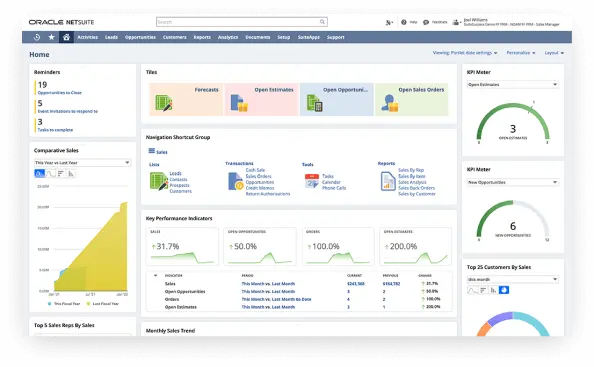
Oracle ERP is a cloud-based enterprise resource planning system designed to manage core business functions such as finance, procurement, project management, and compliance. It is part of Oracle's larger suite of business applications and is commonly used by medium to large enterprises globally.
Like most ERP platforms, Oracle ERP offers integrated modules and automation capabilities to help businesses improve efficiency and data accuracy. It supports multi-entity operations and is often considered for companies with complex reporting needs or global operations.
Pros
Customizable features cater to diverse company needs
A cloud-based system that ensures accessibility and scalability
Integrated CRM module
Cons
Additional expenses include license fees, integration, setup, and training
Database accessibility is limited to specialized IT teams, restricting general user access
Features
Financial Management
การจัดซื้อ
Project Portfolio Management
Risk Management
3. SAP HANA
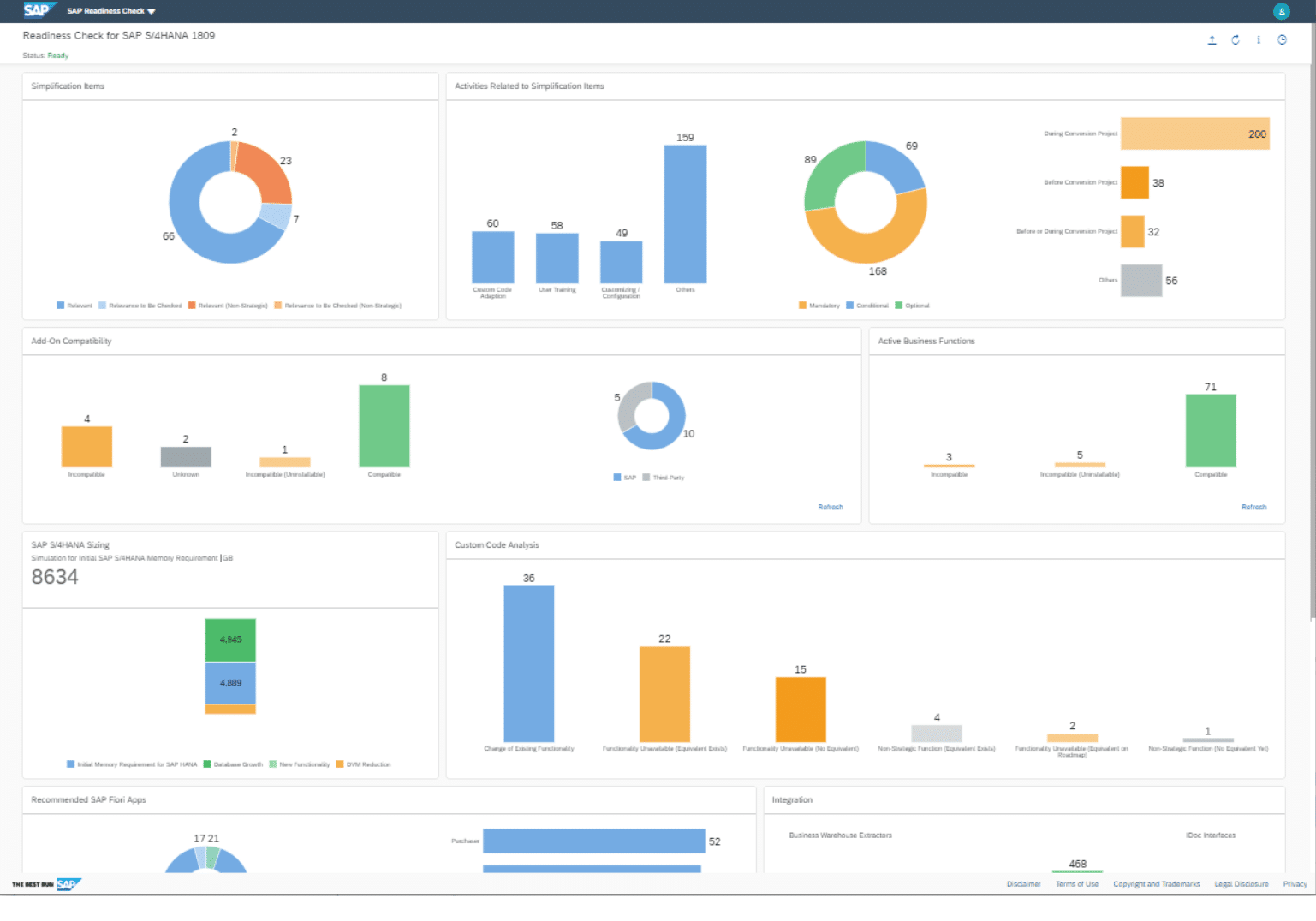
SAP HANA is an in-memory ERP platform developed by SAP to help businesses process large volumes of data in real time. It supports core business functions like finance, logistics, and human resources while also offering capabilities for advanced analytics and data integration.
This ERP system is often adopted by companies that require high-performance computing, especially those operating in complex industries such as manufacturing, energy, and telecommunications. Like most ERP solutions, it combines automation, reporting, and business intelligence tools in a unified environment.
Pros
SAP HANA offers a modern user interface.
Integration capabilities with other business applications.
Caters to various business aspects
Cons
Additional expenses for licensing, subscription, and application support can escalate the total implementation cost significantly
Can be difficult to customize without technical support
Features
Real-Time Analytics
Financial Planning
การจัดการห่วงโซ่อุปทาน
Human Capital Management
4. Microsoft Dynamics 365

Microsoft Dynamics 365 is a cloud-based suite that combines ERP and CRM capabilities to support business processes like sales, finance, operations, and customer service. It integrates seamlessly with other Microsoft products, making it a practical choice for businesses already using tools like Office 365 or Azure.
Like other ERP systems, Dynamics 365 helps organizations improve productivity through automation, centralized data, and customizable workflows. It is suitable for both mid-sized and large businesses across various industries.
Pros
The modular design allows businesses to select only the applications they need
Built-in analytics powered by AI and machine learning
Being cloud-based ensures accessibility from anywhere
Cons
Implementing Dynamics 365 can be intricate, requiring expert guidance
New users may find the interface complicated
The initial setup and ongoing costs may be substantial
Features
Finance & Operations
Customer Service
การจัดการห่วงโซ่อุปทาน
Sales Management
5. Odoo ERP Software
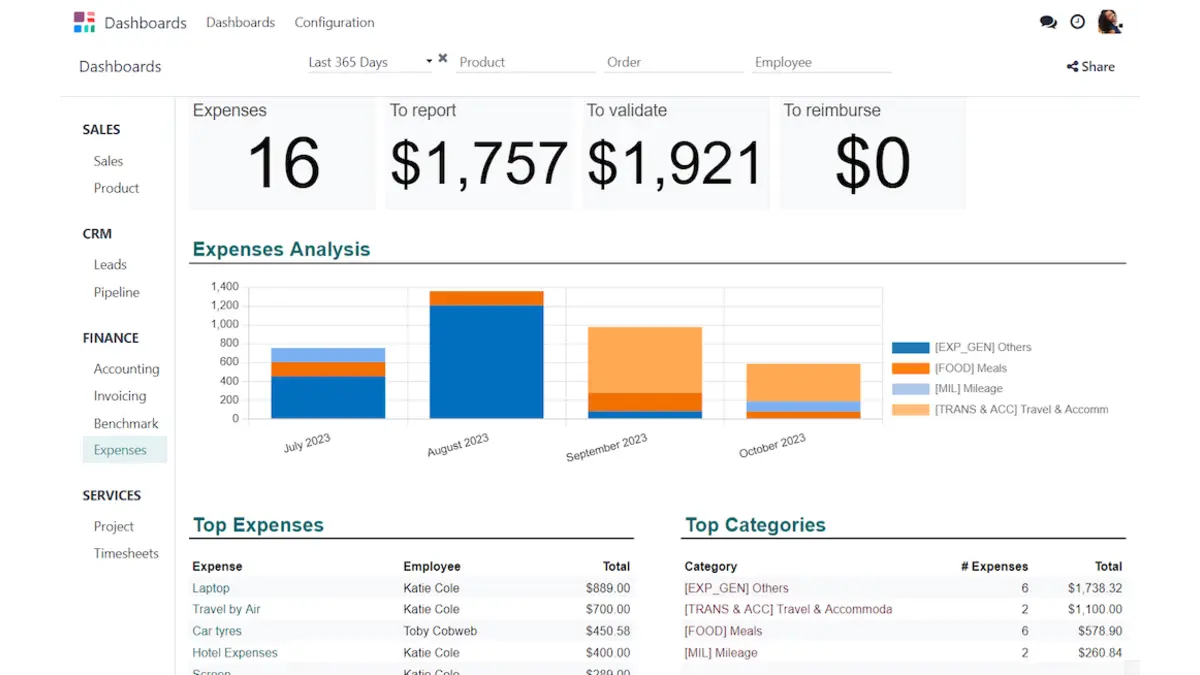
Odoo is an open-source ERP platform that offers a wide range of business applications covering areas like accounting, inventory, sales, HR, and more. It’s known for its modular structure, allowing businesses to install only the features they need and scale over time.
As with many ERP systems, Odoo provides integrated tools to help streamline workflows and improve visibility across departments. It caters to small and medium-sized businesses but is also used by some larger enterprises due to its flexibility.
Pros
Odoo ERP System Thailand offers a user-friendly reporting system
Customizable with integration capabilities with existing tools
Integrated modules for business management
Regular system updates
Cons
Potential complexity in configuring and customizing modules
May require training for full utilization of all features
Features
การบัญชี
การจัดการสินค้าคงคลัง
CRM
การจัดการ HR
How to Choose The Best ERP Software
Choosing the right ERP system can be a game-changer for your business. Here are some key tips to help you decide, and why many Thailand businesses choose HashMicro:
1. Understand Your Business Needs: Start by identifying the core processes you want to improve. Finance, procurement, inventory, HR, or all of them. The ERP you choose should directly address your specific operational pain points.
2. Check for Local Compliance: Ensure the software complies with Thailand’s regulations, such as IRAS tax rules or CPF payroll standards. A good ERP system should help you stay audit-ready and locally aligned.
3. Look for Customizability: Your business is unique, so your ERP should be flexible enough to match. Choose a platform that lets you tailor workflows, fields, and reports to your needs..
4. Evaluate Ease of Use and Support: A complex system can slow you down. Make sure the ERP has a clean interface and reliable local support. HashMicro offers an intuitive UI and a responsive support team based in Thailand.
5. Prioritize Scalability and Integration: Pick an ERP that grows with your business and integrates well with other tools. Like supporting multi-location setups and comes with ready-to-use integrations, including WhatsApp and banking systems.
Conclusion
ERP software is no longer just a tool—it’s a strategic investment that helps businesses unify operations, improve efficiency, and make smarter decisions. Whether you're managing inventory, finance, HR, or customer relationships, the right ERP system can drive long-term growth and resilience.
HashMicro stands out as a trusted ERP provider in Thailand, offering a flexible, AI-powered platform tailored for businesses with complex operations. With customizable modules, mobile access, and seamless integrations, it’s designed to support your specific workflows while keeping everything aligned and compliant.
Ready to explore how ERP can transform your business? Try HashMicro through a free demo and see how easy it is to get started.