








Australian restaurants now handle dine-in, takeaway, delivery apps, and online payments at the same time. Managing these channels efficiently requires more than a basic retail POS setup.
Restaurant POS systems are designed specifically for hospitality workflows such as table management, kitchen routing, split billing, and delivery integration. Retail POS systems often struggle in fast-paced restaurant environments.
The right POS software can improve service speed, staff coordination, reporting accuracy, and daily operations as software for managing sales operations. This guide compares the best restaurant POS software in Australia for different venue types and business sizes.
Key Takeaways
Understand how restaurant POS systems support table service, kitchen workflows, and delivery operations better than retail POS platforms.
Explore the key features Australian restaurant operators should evaluate, including GST reporting, delivery integration, and multi-location management.
Compare the best restaurant POS software in Australia for cafes, restaurants, QSR businesses, and franchise operations.
Review the leading restaurant POS platforms based on delivery integration, ERP capability, offline mode, and multi-outlet management.
Different restaurant POS platforms are designed for different operational needs, from simple cafe transactions to multi-outlet restaurant management and delivery integration. The shortlist below highlights several widely used restaurant POS solutions for Australian hospitality businesses.



Best Because
Advanced dine-in and hospitality POS platform.


Best Because
Table-service POS for dine-in restaurants.
What Makes a Restaurant POS Different from a Retail POS?
Restaurant POS systems are designed for fast-moving hospitality environments where orders, kitchen coordination, table service, and payment workflows happen simultaneously. A restaurant POS also works as software supporting payment operations by connecting orders, bills, payment terminals, and receipts in one workflow.
| Feature | Restaurant POS | Retail POS |
| Primary use case | Dine-in, takeaway, delivery, table service | Retail sales and product checkout |
| Kitchen integration | Kitchen Display System (KDS) and printers | Usually not supported |
| Order management | Table orders, modifiers, split bills | Simple cart transactions |
| Delivery integration | Uber Eats, DoorDash, Menulog | Limited or unavailable |
| Menu management | Menus, combos, ingredients | SKU and barcode management |
| Service workflow | Front-of-house and kitchen coordination | Cashier-focused workflow |
| Offline operation | Important during outages | Less operationally critical |
| Typical venue | Restaurants, cafes, bars, QSRs | Retail stores and supermarkets |
For Australian hospitality businesses, restaurant-specific POS features are now considered essential rather than optional. Delivery integration, kitchen coordination, and multi-channel order handling have become standard operational requirements across many venues.
What Australian Restaurant Operators Must Check Before Choosing

Restaurant POS software affects much more than payment processing. Australian operators also need to evaluate compliance, delivery integrations, operational reliability, and scalability before committing to a platform.
Understanding digital payment systems is also important because restaurants now process payments through card terminals, mobile wallets, online orders, QR ordering, and delivery platforms.
1. GST & BAS reporting compliance
Australian restaurants need POS systems that support GST calculation, tax-inclusive pricing, and BAS-ready reporting. Clear financial reporting reduces reconciliation work and helps accounting teams manage compliance more efficiently.
Accurate POS reporting also supports electronic payment processing methods by keeping transaction records consistent across dine-in, takeaway, and delivery channels.
Venues handling large transaction volumes should also check whether the POS integrates directly with accounting or ERP platforms to reduce duplicate data entry.
2. Uber Eats, DoorDash & Menulog integration
Delivery platforms now represent a major revenue channel for many restaurants and cafes. POS systems with direct Uber Eats, DoorDash, and Menulog integration help reduce manual order entry and minimise fulfilment errors.
This is especially useful for streamlining restaurant payment workflows when venues manage in-store orders and delivery payments at the same time.
3. Offline mode for regional & rural operations
Internet outages can quickly disrupt restaurant operations during peak trading periods. Offline POS capability allows venues to continue processing orders and payments even when connectivity becomes unstable.
This feature is especially important for regional venues, mobile food operators, and hospitality businesses operating in areas with inconsistent internet coverage.
4. Multi-outlet & franchise management capability
Multi-site restaurant groups require centralised visibility across menus, pricing, inventory, staff, and reporting. Managing each venue separately often creates operational inconsistencies and additional administration work.
Restaurant groups and franchises should evaluate whether the POS supports centralised management, consolidated reporting, and standardised workflows across multiple locations.

10 Best Restaurant POS Software in Australia for 2026
Restaurant POS platforms vary widely in terms of pricing, hardware flexibility, and operational depth. Some are designed for simple cafe workflows, while others are built for high-volume hospitality groups managing multiple venues and delivery channels.
1. Square
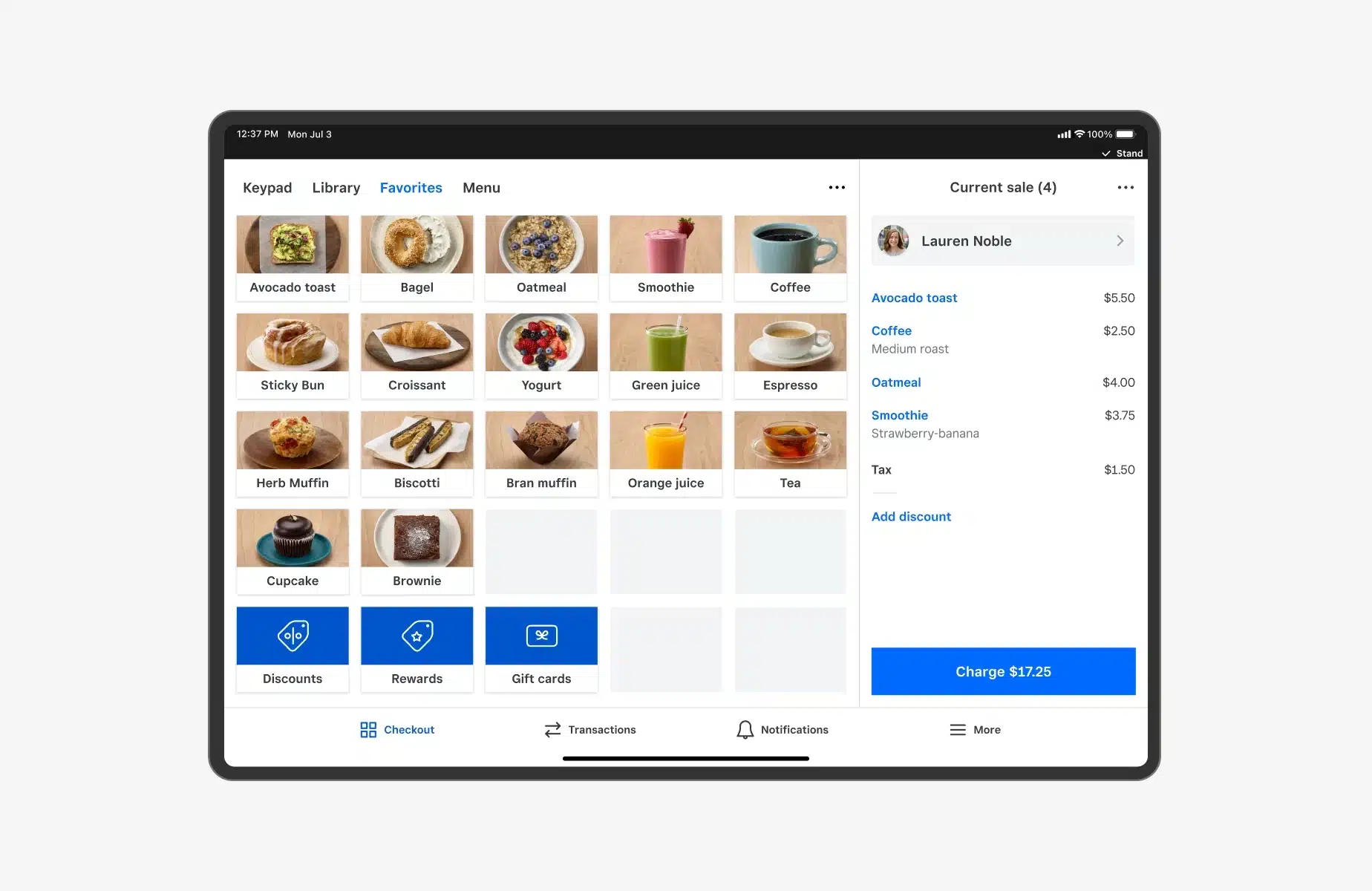
Square for Restaurants is popular among Australian cafes and smaller food businesses because it is straightforward to use and quick to implement. The system combines POS, payments, online ordering, and restaurant operations within one platform.
Many operators also prefer Square for its flexible hardware setup and entry-level pricing. The free plan is suitable for smaller venues, while larger businesses can upgrade to more advanced restaurant features as operations grow.
Key Features:
- Table Management: Manage dine-in and takeaway orders.
- Integrated Payments: Process card and digital payments.
- Online Ordering: Connect online and delivery orders.
- Sales Reporting: Track venue sales performance.
- Offline Capability: Continue operations during outages.
| Pros | Cons |
| ✓ Easy for staff to learn. ✓ Free plan available for small venues. ✓ Flexible hardware and mobile setup. |
× Advanced reporting is more limited. × Less suitable for large franchise groups. × Processing fees can become expensive at scale. |
Pricing: Free plan available. Plus plan starts from around AUD $129/month per location, excluding transaction fees.
Best for: Cafes, takeaway shops, food trucks, and small hospitality venues that need a simple cloud POS with fast setup.
2. Lightspeed
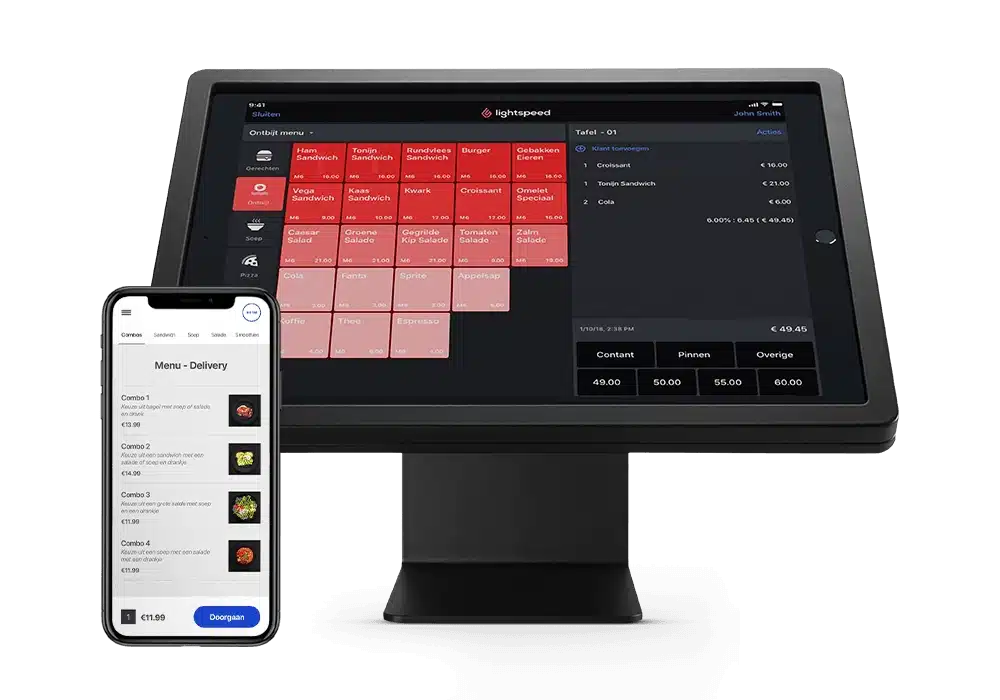
Lightspeed Restaurant is designed for venues that require stronger table management, floor planning, and restaurant workflow control. The platform is commonly used by operators managing larger dine-in environments and higher service volume.
Australian hospitality businesses often choose Lightspeed for its detailed reporting, inventory visibility, and delivery platform integration support. The system also supports multi-location management for growing restaurant groups.
Key Features:
- Floor Management: Manage tables and seating layouts.
- KDS Integration: Improve kitchen coordination.
- Inventory Tracking: Monitor stock and ingredients.
- Delivery Integration: Connect delivery platforms.
- Multi-Location Reporting: Centralise outlet reporting.
| Pros | Cons |
| ✓ Strong dine-in workflow features. ✓ Good reporting and inventory tools. ✓ Suitable for larger hospitality venues. |
× Higher monthly cost than entry-level POS systems. × Some features require premium plans. × Initial setup can be more involved. |
Pricing: Plans generally start from around AUD $79/month, with higher-tier plans for advanced restaurant operations.
Best for: Full-service restaurants, bars, and hospitality venues with more complex dine-in operations.
3. HashMicro
HashMicro provides a restaurant POS system as part of a broader ERP platform rather than a standalone payment tool. This allows restaurants to manage transactions, purchasing, inventory, finance, and operational reporting within one connected system.
The platform is particularly suitable for growing restaurant groups that need stronger visibility across multiple outlets. Centralised menu management, stock monitoring, and reporting also help reduce manual reconciliation between locations.
Key Features:
- ERP Integration: Connect POS with inventory and finance.
- Multi-Outlet Management: Manage multiple restaurant locations.
- Inventory Visibility: Track stock and ingredient usage.
- KDS Support: Improve kitchen workflows.
- GST Reporting: Generate GST-ready reports.
| Pros | Cons |
| ✓ Strong ERP and operational integration. ✓ Suitable for franchise and multi-site operations. ✓ Centralised reporting across outlets. |
× More advanced than needed for small cafes. × Implementation can take longer than simpler POS systems. × Custom pricing may not suit smaller venues. |
Pricing: Custom pricing based on business size, modules, and operational requirements.
4. Impos
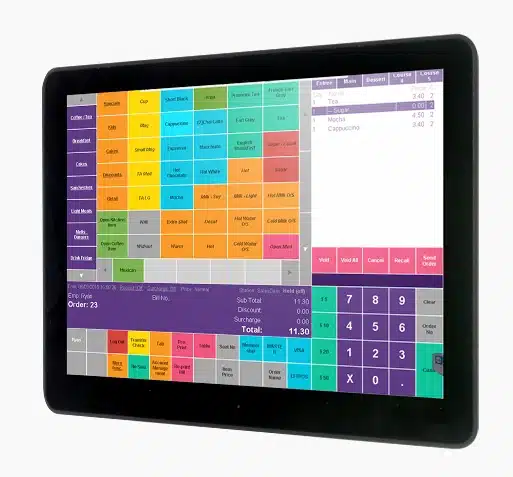
Impos is a long-standing Australian hospitality POS provider widely used by restaurants, pubs, cafes, and clubs. The platform is designed specifically for local hospitality operations and supports both dine-in and venue-based workflows.
Many established venues choose Impos for its local support presence and hospitality-focused functionality. The system also supports integrated payments, loyalty programs, and kitchen operations across busy service environments.
Key Features:
- Hospitality POS: Support dine-in and takeaway workflows.
- Kitchen Integration: Connect kitchen systems and printers.
- Loyalty Programs: Manage customer rewards.
- Integrated Payments: Process payments within the POS.
- Venue Reporting: Monitor venue performance.
| Pros | Cons |
| ✓ Built specifically for Australian hospitality. ✓ Strong local support and onboarding. ✓ Good fit for established venues. |
× Interface feels less modern than newer cloud POS systems. × Hardware setup can be more traditional. × Pricing usually requires custom quotation. |
Pricing: Custom pricing based on venue size, hardware requirements, and modules.
Best for: Established restaurants, pubs, and hospitality venues that prefer an Australian-built POS system with local support.
5. OrderMate
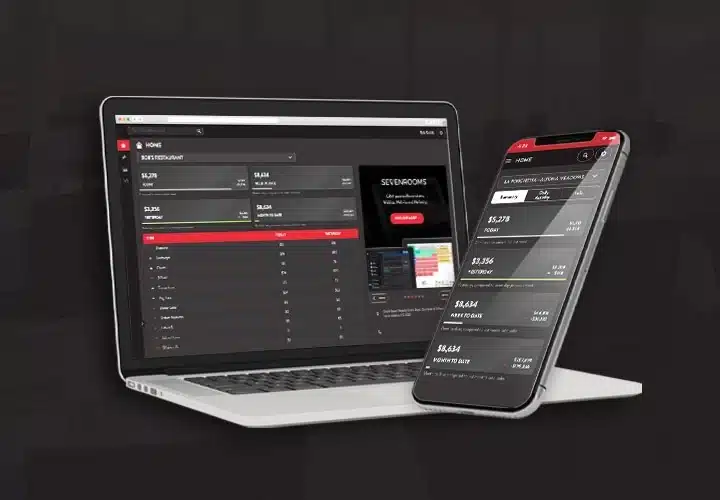
OrderMate is widely used by Australian restaurant groups and hospitality businesses managing larger operational environments. The platform focuses on restaurant workflows, delivery integration, and venue-wide visibility.
Many operators choose OrderMate because it supports both front-of-house and back-of-house operations within one system. The platform also works well for growing hospitality businesses managing multiple venues.
Key Features:
- Multi-Site Management: Centralise operations across venues.
- KDS Workflow: Improve kitchen coordination.
- Inventory Monitoring: Track ingredients and stock levels.
- Delivery Support: Connect online ordering platforms.
- Operational Reporting: Monitor sales and venue performance.
| Pros | Cons |
| ✓ Strong multi-site restaurant management. | ×Less suitable for smaller cafes. |
| ✓ Good delivery integration support. | ×Setup may require onboarding assistance. |
| ✓ Suitable for growing hospitality groups. | ×Custom pricing can vary significantly. |
Pricing: Custom pricing depending on venue size and operational requirements.
Best for: Restaurant groups and hospitality businesses managing multiple venues and delivery operations.
6. TouchBistro
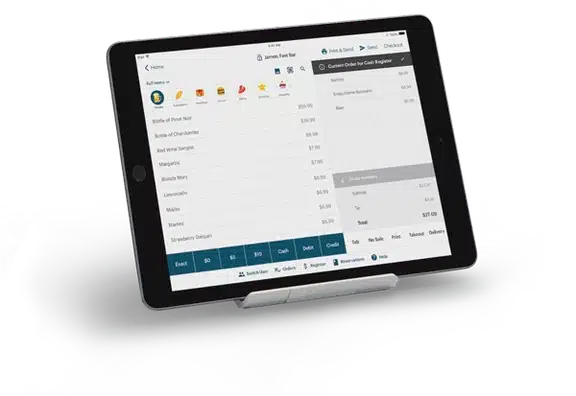
TouchBistro is a hospitality POS platform built primarily for dine-in restaurants and table-service operations. The system is particularly popular among venues that prioritise floor management, guest experience, and front-of-house efficiency.
Its iPad-based setup makes the platform easier to deploy compared to more traditional POS systems. Many restaurants also choose TouchBistro for its intuitive table management workflow and flexible ordering features.
Key Features:
- Table Management: Manage dine-in layouts and tables.
- Split Billing: Handle bill splitting more easily.
- KDS Integration: Improve kitchen communication.
- Online Ordering: Support takeaway and reservations.
- Staff Reporting: Monitor staff performance.
| Pros | Cons |
| ✓ Strong table-service workflow. ✓ Easy-to-use iPad interface. ✓ Good dine-in management features. |
× Add-on modules can increase monthly costs. × Reporting features are less advanced than ERP-based systems. × Less suitable for large franchise operations. |
Pricing: Plans generally start from around USD $69/month, with additional costs for add-ons and integrations.
Best for: Full-service restaurants and hospitality venues focused on dine-in operations and table management.
7. Redcat
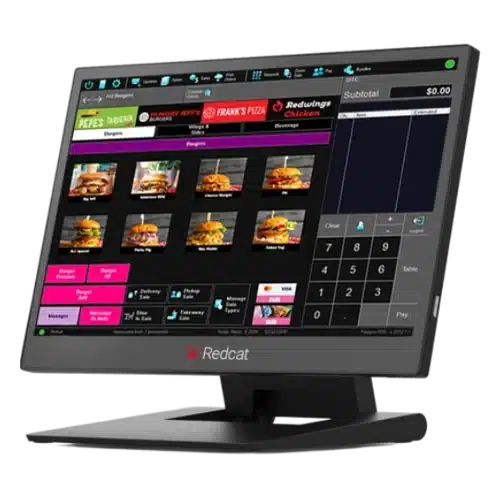
Redcat is widely used by Australian quick service restaurants, franchise groups, and high-volume hospitality businesses. The platform focuses heavily on speed, multi-store management, and delivery integration.
Many QSR operators choose Redcat because it supports both in-store and online ordering workflows within one ecosystem. The system also provides centralised visibility across franchise and multi-location operations.
Key Features:
- QSR Workflows: Support high-volume restaurant operations.
- Franchise Visibility: Centralise multi-store reporting.
- Delivery Integration: Connect online delivery platforms.
- Loyalty Features: Manage customer loyalty programs.
- Cloud Reporting: Access venue analytics remotely.
| Pros | Cons |
| ✓ Strong QSR and franchise functionality. ✓ Good delivery and online ordering integration. ✓ Centralised visibility across locations. |
× More complex than simple cafe POS systems. × Enterprise-style setup may require onboarding support. × Pricing generally customised for larger operations. |
Pricing: Custom pricing depending on business size, modules, and deployment requirements.
Best for: QSR chains, franchise operators, and high-volume hospitality businesses with multiple locations.
8. Abacus
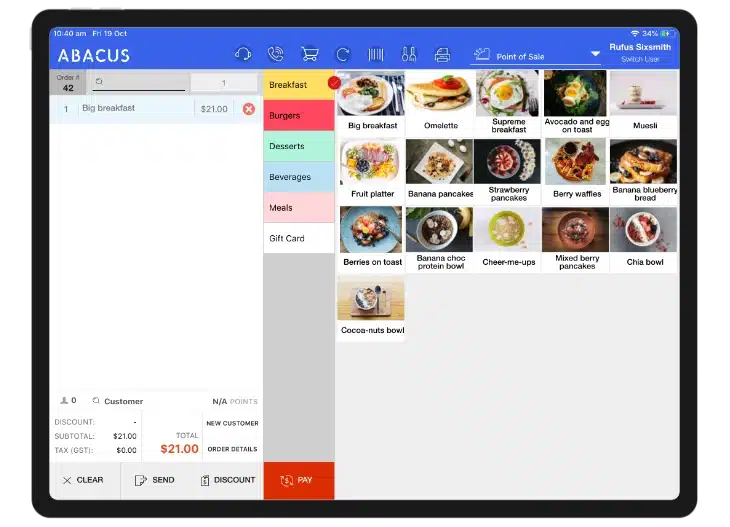
Abacus is an Australian-built hospitality POS platform designed for cafes, casual dining venues, and fast-moving restaurant environments. The system focuses heavily on usability, mobile ordering, and streamlined service workflows.
Many operators choose Abacus because the interface feels modern and easy for staff to learn during busy service periods. The platform also supports loyalty features, ordering flexibility, and cloud-based reporting across hospitality operations.
Key Features:
- iPad POS: Support tablet-based restaurant operations.
- QR Ordering: Enable contactless digital ordering.
- Loyalty Programs: Manage customer rewards.
- Cloud Analytics: Monitor sales and trends.
- Multi-Location Visibility: Track venue performance.
| Pros | Cons |
| ✓ Modern and easy-to-use interface. ✓ Good fit for cafes and casual dining. ✓ Strong mobile ordering experience. |
× Less suitable for enterprise hospitality groups. × Advanced ERP-style reporting is limited. × Pricing usually requires direct quotation. |
Pricing: Custom pricing depending on venue requirements and deployment size.
Best for: Cafes, casual dining venues, and hospitality businesses that prefer a modern cloud-based POS workflow.
9. Epos Now
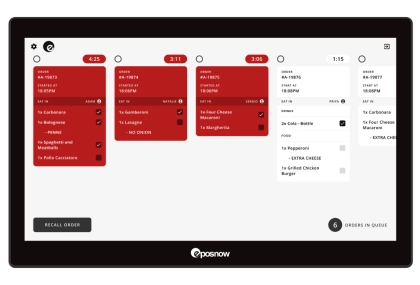
Epos Now is a flexible cloud POS platform used across hospitality, retail, and service businesses. Australian restaurants often choose the platform because it supports different hardware setups and allows venues to scale gradually over time.
The system supports restaurant operations such as table management, inventory tracking, and payment integration while remaining relatively flexible compared to more locked-in POS ecosystems. It also works with both Epos hardware and selected third-party devices.
Key Features:
- Flexible Hardware: Support multiple POS devices.
- Inventory Management: Track stock movement.
- Integrated Payments: Process card payments directly.
- Restaurant Workflows: Support dine-in operations.
- Sales Reporting: Monitor business performance.
| Pros | Cons |
| ✓ Flexible hardware and deployment options. ✓ Suitable for different business sizes. ✓ Strong hospitality workflow support. |
× Hardware bundles can become expensive. × Some integrations require additional setup. × UI feels less modern than newer POS systems. |
Pricing: Software plans generally start from around AUD $78/month, with additional hardware and support costs.
Best for: Restaurants and hospitality businesses that need flexible POS hardware and scalable deployment options.
10. H&L Australia
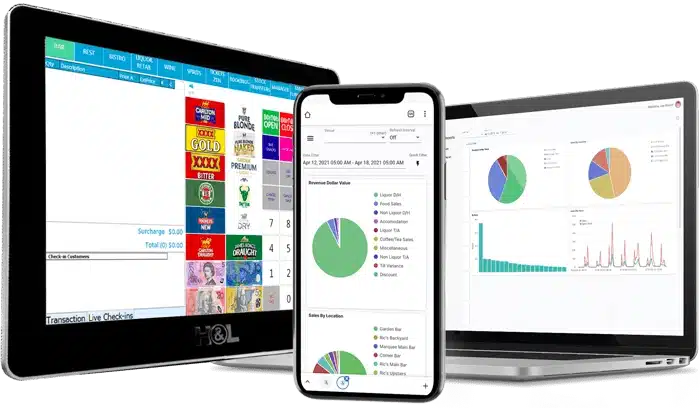
H&L Australia is a long-established hospitality POS provider focused on restaurants, hotels, clubs, and large venue operations. The platform is commonly used by hospitality groups that require more advanced operational control across busy service environments.
The system supports delivery workflows, table service, online ordering, and venue-wide POS operations within one ecosystem. Many larger Australian hospitality businesses also choose H&L because of its hospitality-specific focus and long local market presence.
Key Features:
- Enterprise Hospitality POS: Support large venue operations.
- Venue Management: Coordinate restaurant workflows.
- Delivery Integration: Connect online ordering channels.
- Operational Reporting: Monitor hospitality performance.
- Multi-Terminal Support: Manage multiple POS terminals.
| Pros | Cons |
| ✓ Strong hospitality and venue management tools. ✓ Suitable for large-scale operations. ✓ Long-standing Australian hospitality presence. |
× More complex than entry-level cloud POS systems. × Custom implementation may require onboarding support. × Pricing is generally enterprise-focused. |
Pricing: Custom pricing based on venue size, hardware, integrations, and operational requirements.
Best for: Hotels, clubs, large restaurants, and enterprise hospitality venues with complex operational workflows.
Quick Comparison of the Best Restaurant POS Software in Australia
| Features | Square | Lightspeed | HashMicro | Impos | OrderMate | TouchBistro | Redcat | Abacus | Epos Now | H&L Australia |
|---|---|---|---|---|---|---|---|---|---|---|
| Offline Mode | ||||||||||
| Delivery Integration | ||||||||||
| AU-Built | ||||||||||
| ERP Integration | ||||||||||
| Ease of Use | ||||||||||
| Best for Small Venues | ||||||||||
| Multi-Outlet Capability |
Which POS Suits Which Venue Type?
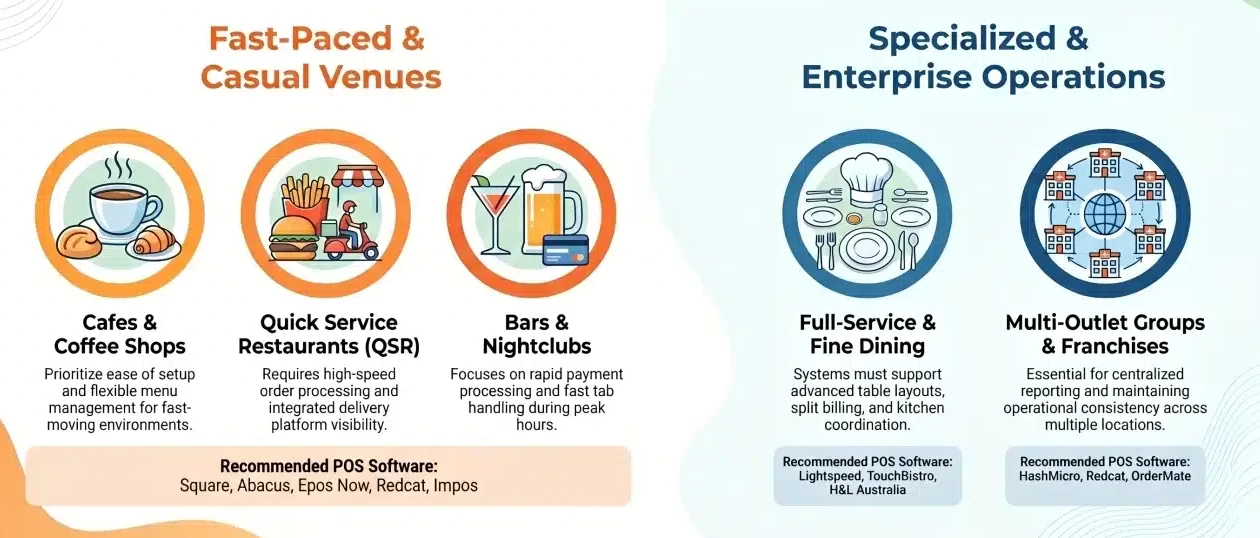
Different hospitality venues require different POS capabilities depending on service style, transaction volume, delivery operations, and reporting needs.
1. Cafes & coffee shops
Recommended software: Square, Abacus, Epos Now
These platforms are easier to set up and work well for fast-moving cafe environments.
Key requirement: Fast checkout flow and flexible menu management.
2. Full-service & fine dining restaurants
Recommended software: Lightspeed, TouchBistro, H&L Australia
These systems support table layouts, split billing, and more advanced dine-in workflows.
Key requirement: Strong table-service and kitchen coordination.
3. Quick service restaurants (QSR) & fast food
Recommended software: Redcat, OrderMate, Square
QSR operators need fast ordering workflows and strong delivery platform integration.
Key requirement: High-speed order processing and delivery visibility.
4. Bars & nightclubs
Recommended software: Lightspeed, Impos, H&L Australia
These venues require fast tab handling and stronger operational visibility during peak hours.
Key requirement: Fast payment processing and venue coordination.
5. Multi-outlet groups & franchises
Recommended software: HashMicro, Redcat, OrderMate
These platforms support centralised reporting and multi-location management.
Key requirement: Centralised reporting and operational consistency.
Cloud POS vs. Traditional POS Systems
Most Australian hospitality businesses now prefer cloud POS systems because they are easier to update, scale, and integrate with delivery and reporting tools.
| Cloud POS | Traditional POS |
| ✓ Remote access and cloud reporting. | ✓ Greater local infrastructure control. |
| ✓ Easier software updates and integrations. | ✓ Can operate without cloud dependency. |
| ✓ Better support for delivery and online ordering. | ✓ Familiar setup for older hospitality venues. |
| ×Ongoing subscription costs. | ×Higher upfront setup and hardware costs. |
| ×Some features rely on internet connectivity. | ×More difficult to scale and integrate. |
| ×Advanced integrations may require additional fees. | ×Updates and maintenance are often more manual. |
For most restaurants and cafes, cloud POS systems now provide better flexibility and operational visibility. Traditional POS systems are still used by some larger venues, but they are becoming less common across modern hospitality operations.
How Much Does Restaurant POS Software Cost in Australia?
Restaurant POS pricing in Australia depends on venue size, hardware requirements, integrations, and operational complexity.
1. Entry-level POS
AUD $0–$150/month. Suitable for cafes, food trucks, takeaway shops, and smaller hospitality businesses.
2. Mid-tier POS
AUD $150–$500/month. Usually includes stronger reporting, delivery integration, and inventory management features.
3. Enterprise POS
Custom pricing. Designed for restaurant groups, franchises, hotels, and larger hospitality operations.
- Hardware costs: POS terminals, printers, kitchen displays, and payment devices are usually charged separately.
- Payment fees: Most providers also charge transaction processing fees for card payments and online ordering.
- Implementation costs: Larger venues may require onboarding, staff training, and integration setup support.
Conclusion
Restaurant POS software now supports much more than payment processing. Many Australian venues rely on POS systems to manage delivery orders, inventory, reporting, and daily restaurant operations more efficiently.
The right platform depends on venue size, service style, and operational complexity. Smaller cafes may prioritise simplicity, while larger restaurant groups often require stronger reporting and multi-location visibility.
Businesses should evaluate POS systems based on long-term operational fit rather than upfront pricing alone. If you want to explore a restaurant POS system with integrated inventory and ERP capabilities, get a free consultation here.
Frequently Asked Question
The best restaurant POS system depends on venue size, operational complexity, and service style. Platforms such as Square suit smaller cafes, while HashMicro, Redcat, and OrderMate are better for multi-location hospitality operations.
Restaurant POS systems are designed for hospitality workflows such as table management, split billing, kitchen routing, and delivery integration, while retail POS systems focus mainly on product sales and checkout processing.
Yes, many restaurant POS platforms in Australia support integration with Uber Eats, DoorDash, Menulog, and other delivery channels to reduce manual order handling.
Entry-level POS systems such as Square often provide free or lower-cost plans suitable for small cafes, takeaway shops, and food trucks with simpler operational needs.
Yes, most Australian restaurant POS systems support GST calculation, tax-inclusive pricing, and BAS-ready reporting to help businesses manage financial compliance more efficiently.
POS migration timelines vary depending on menu complexity, integrations, staff training, and venue size. Smaller venues may switch within days, while larger multi-site operations can take several weeks.