













A performance management template is a structured document used to track employee goals, feedback, performance reviews, and development plans. It helps businesses manage evaluations consistently, improve communication, and support employee performance across teams and departments.
A performance management template, supported by a streamlined HR management platform, helps structure reviews, goal-setting, and feedback clearly. It gives managers a simple way to assess performance and support employee growth.
For Australian businesses, using templates can also improve documentation, fairness, and communication during review processes. They are useful for small teams as well as larger organisations managing multiple employees.
In this guide, you will learn what a performance management template is, why businesses use it, common template types, and when to move from manual forms to HR software.
Key Takeaways
Understand the foundational elements of structured employee evaluation frameworks.
Discover the operational and strategic benefits of standardising your review processes.
Learn how to align your performance documentation with Fair Work principles.
Penjelasan mendalam mengenai When to Use Different Performance Management Templates.

What Is a Performance Management Template?

A performance management template is a ready-made document used to manage employee goals, feedback, and performance discussions. It may include sections for achievements, improvement areas, KPIs, and development plans.
Businesses use these templates as part of core HR management processes to make reviews more organised and easier to complete. They also help managers stay consistent across different employees and departments.
Templates can be used in paper forms, spreadsheets, or digital HR systems depending on business size and process needs.
Why Businesses Use Performance Management Templates
Performance management templates help businesses in managing team performance effectively through structured reviews in a more structured and consistent way. They can improve communication, save time, and support fairer performance discussions.
1. Standardise review processes across teams
Templates give all managers the same review format, making it easier to assess employees using a consistent process across departments.
2. Improve feedback quality and documentation
Structured forms encourage clearer feedback and provide written records of goals, discussions, and agreed next steps.
3. Support fairer and more consistent evaluations
Using the same criteria for all employees can reduce bias and create more balanced performance decisions.
4. Save time for HR managers and line managers
Templates reduce the need to build forms from scratch and help managers complete reviews more efficiently.

Performance Management vs Performance Review vs Performance Appraisal
Performance management is the broader ongoing process of setting goals, coaching employees, and tracking progress throughout the year. It focuses on continuous improvement rather than one-off meetings.
A performance review is usually a scheduled discussion where a manager and employee talk about progress, achievements, and future goals. Reviews may happen monthly, quarterly, or annually.
A performance appraisal often refers to a rating-based staff evaluation process linked to formal HR records, salary reviews, promotions, or official HR records. Many businesses use these terms interchangeably, but the purpose may differ.
When to Use Different Performance Management Templates
Different templates are useful at different stages of the employee lifecycle. Choosing the right one can improve feedback quality and make discussions more relevant.
1. During annual or quarterly reviews
Use formal review templates to assess goals, achievements, strengths, and priorities for the next review period.
2. During probation periods
Probation templates help track new employee progress, expectations, and whether required standards are being met.
3. During regular 1-on-1 discussions
Simple check-in templates are useful for regular conversations about workload, support, and short-term goals.
4. During performance improvement planning
Use improvement plan templates when an employee needs clear targets, timelines, and support to address underperformance.
5. During employee development planning
Development templates help identify training needs, career goals, and future growth opportunities.
Free Performance Management Templates for Australian Businesses
Templates can save time and make review processes easier to manage. Businesses often choose different templates based on the type of discussion or employee stage.
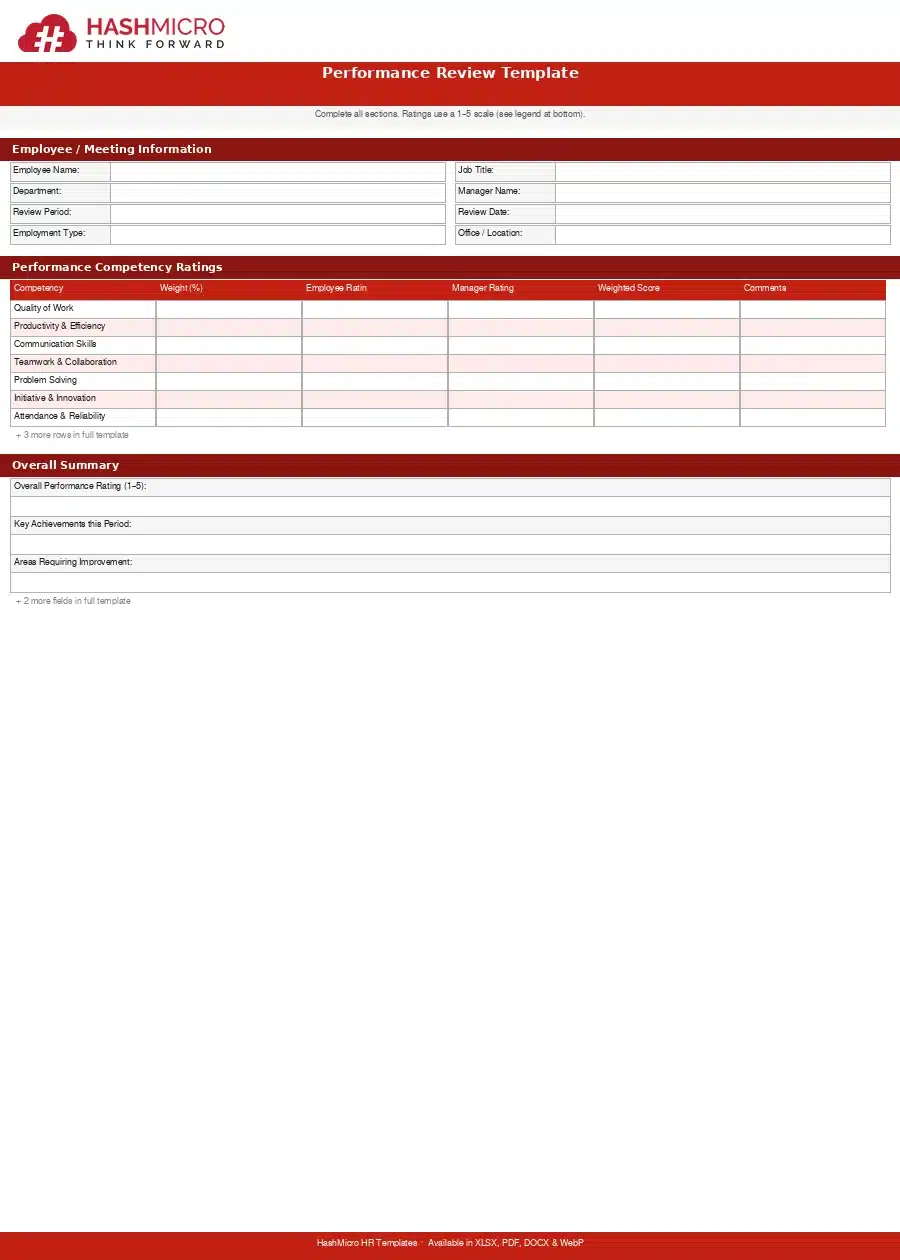
1. Performance Review Template
A standard review template includes goals achieved, strengths, challenges, and priorities for the next period.
Performance Review Template
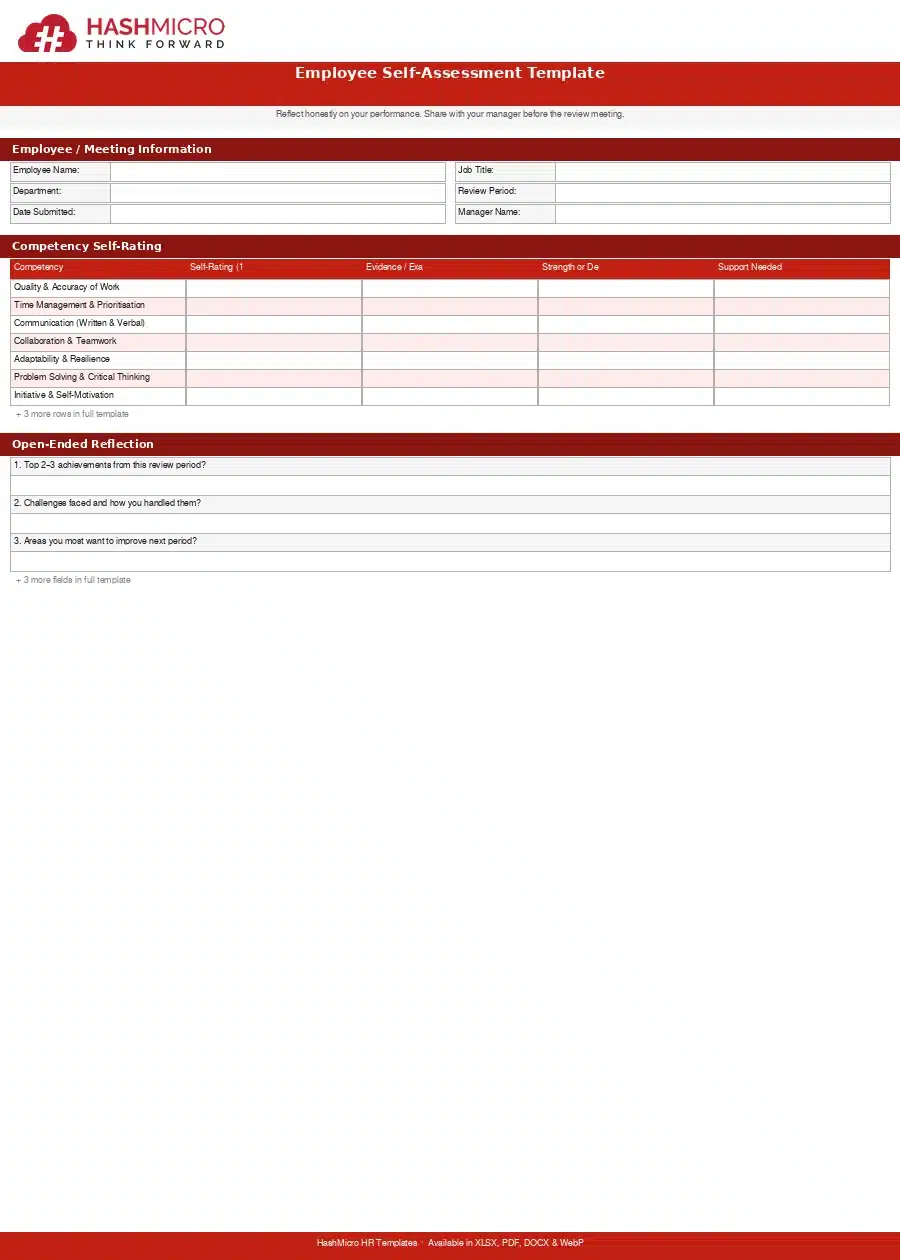
2. Employee Self-Assessment Template
Self-assessment templates allow employees to reflect on achievements, challenges, and development needs before a review meeting.
Employee Self-Assessment Template
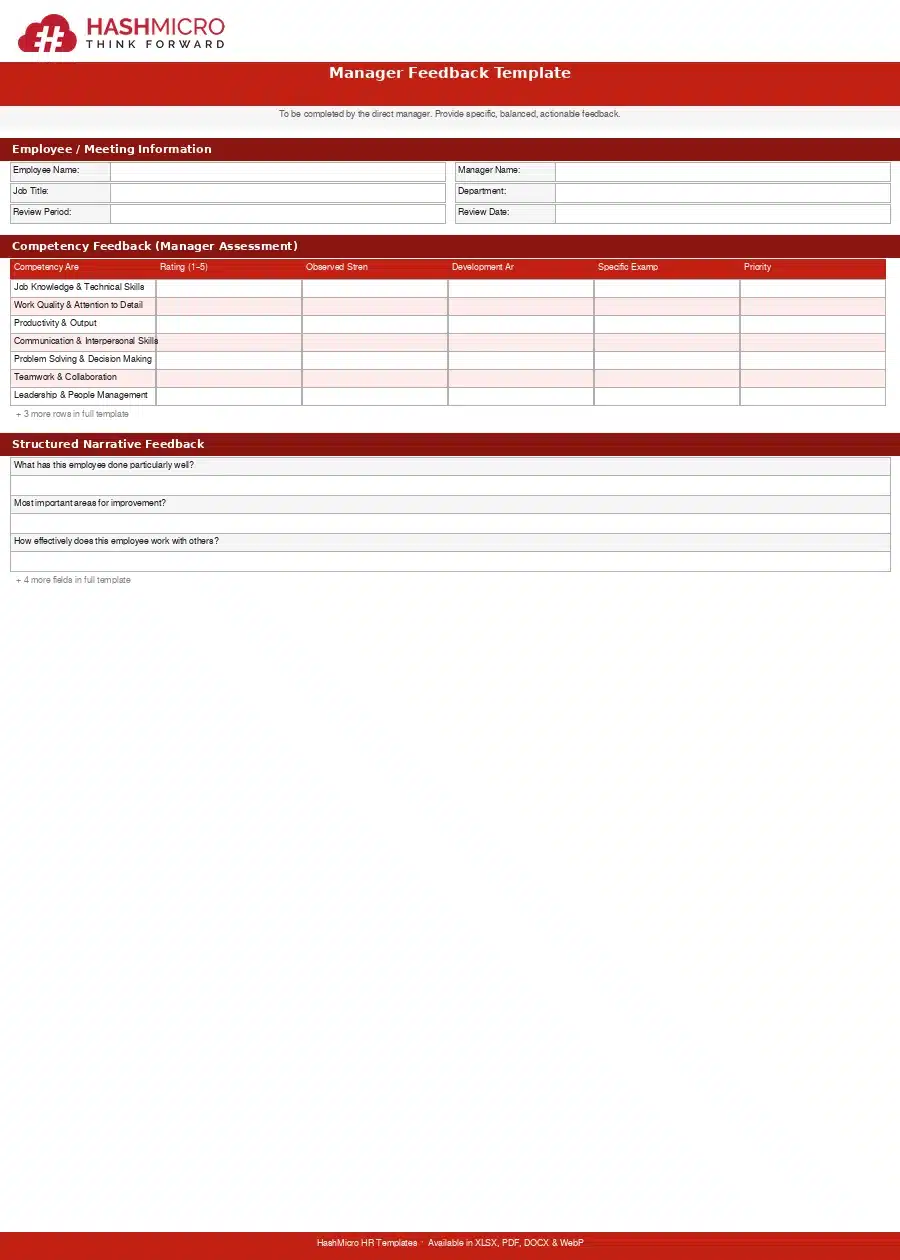
3. Manager Feedback Template
Manager feedback templates help supervisors provide structured comments and clear action points.
Manager Feedback Template
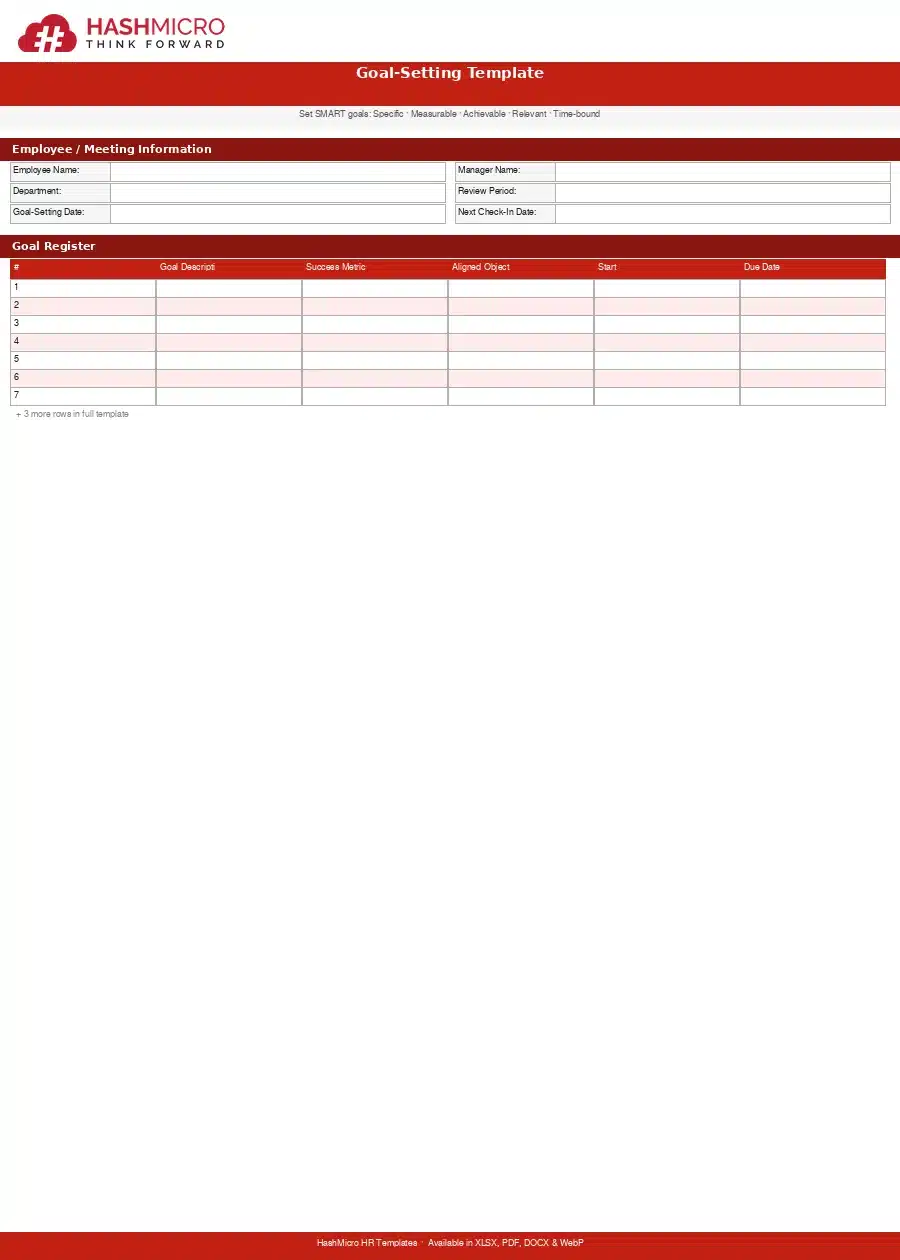
4. Goal-Setting Template
Goal-setting templates help create measurable objectives aligned with team or business targets.
Goal-Setting Template
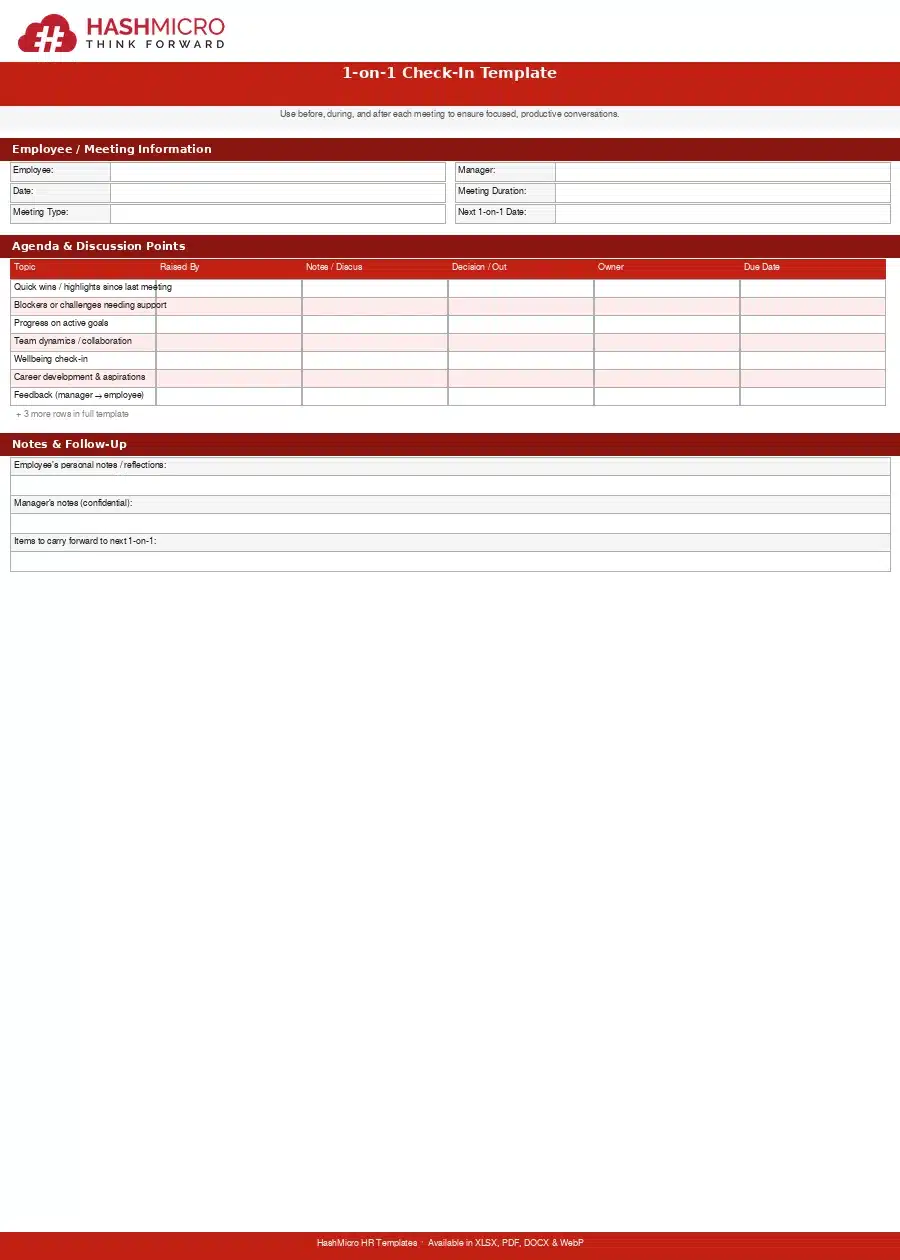
5. 1-on-1 Check-In Template
Check-in templates support regular conversations on progress, wellbeing, blockers, and support needs.
1-on-1 Check-In Template
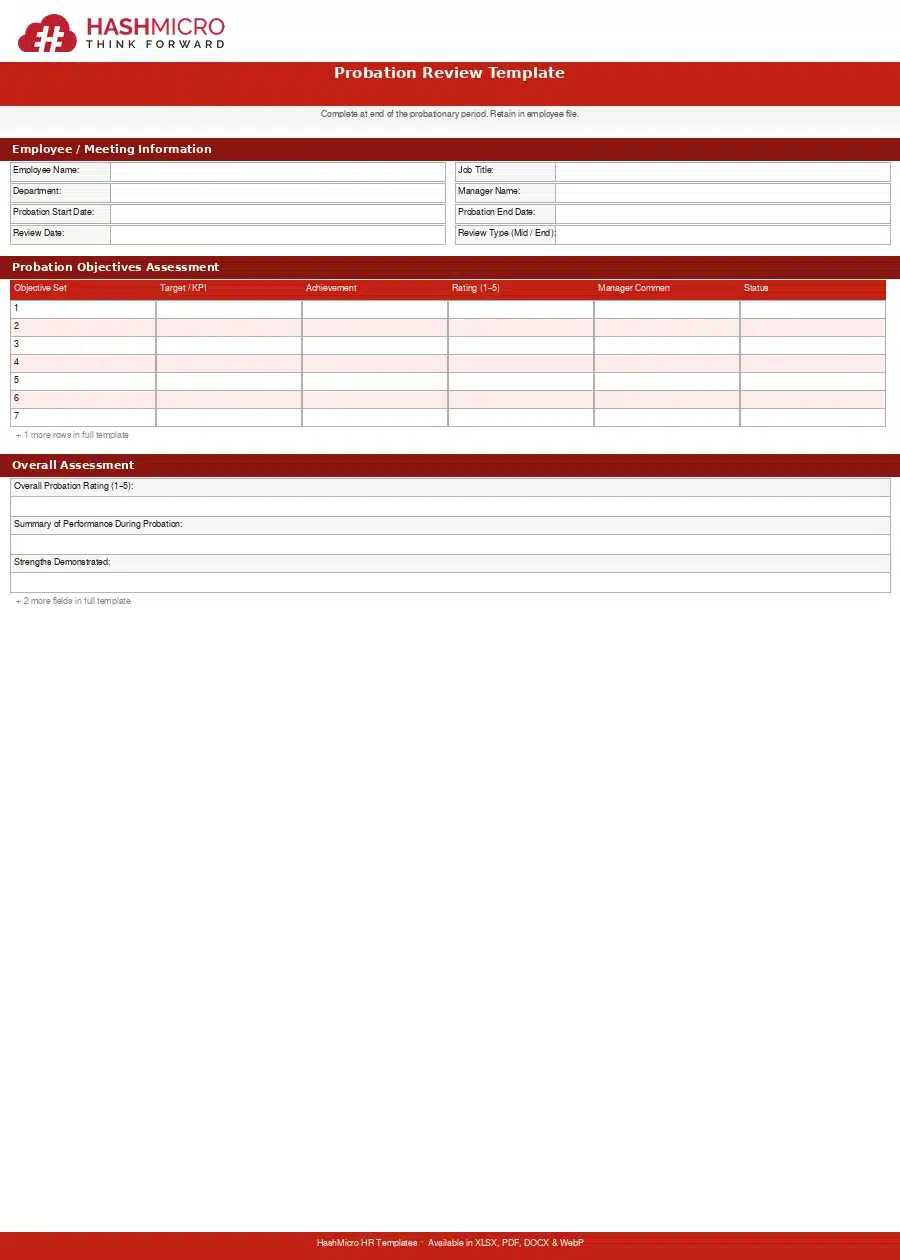
6. Probation Review Template
Probation templates track performance during the trial period and help decide confirmation outcomes.
Probation Review Template
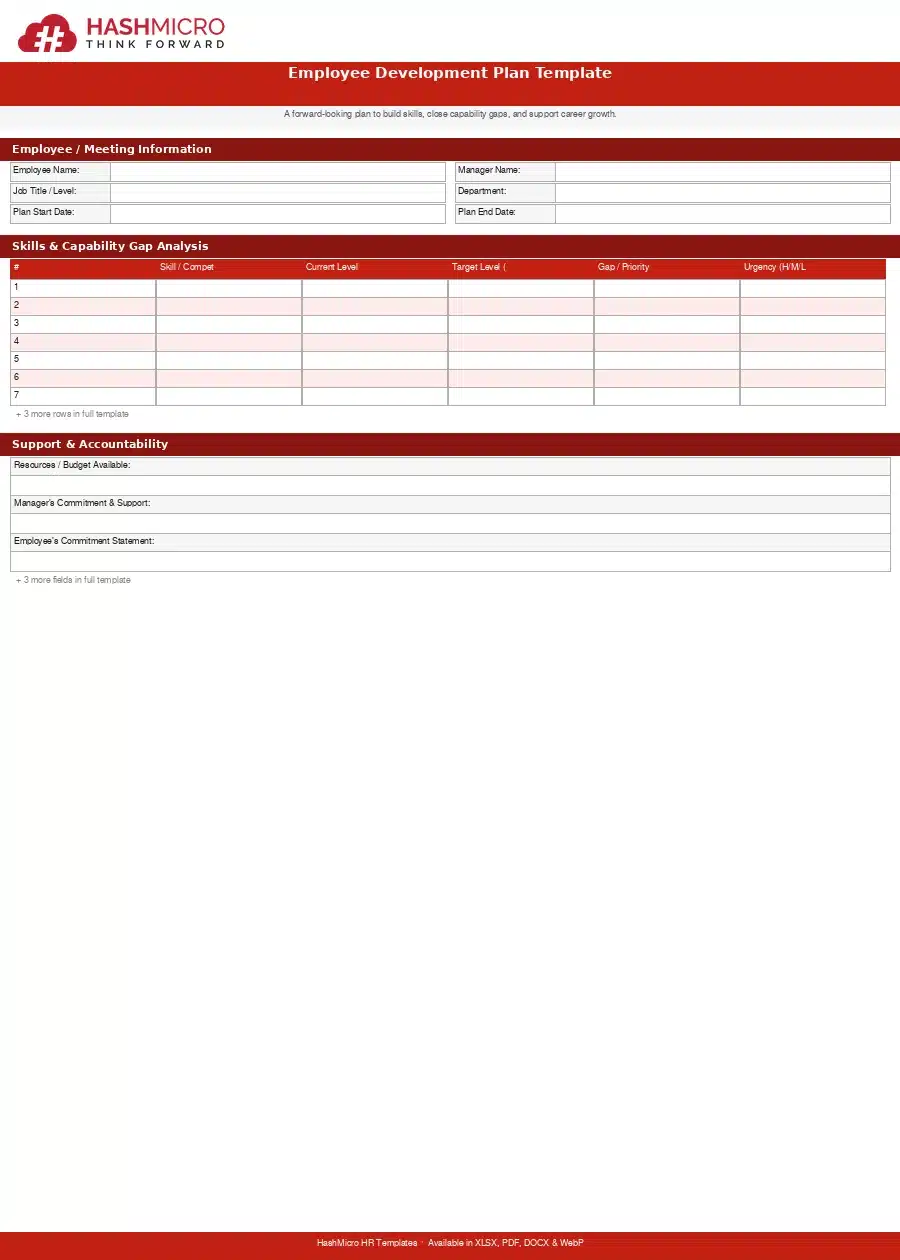
7. Employee Development Plan Template
Development plan templates outline training actions, career goals, and future skill-building steps.
Employee Development Plan Template
Australian Compliance and Fair Process for Performance Management
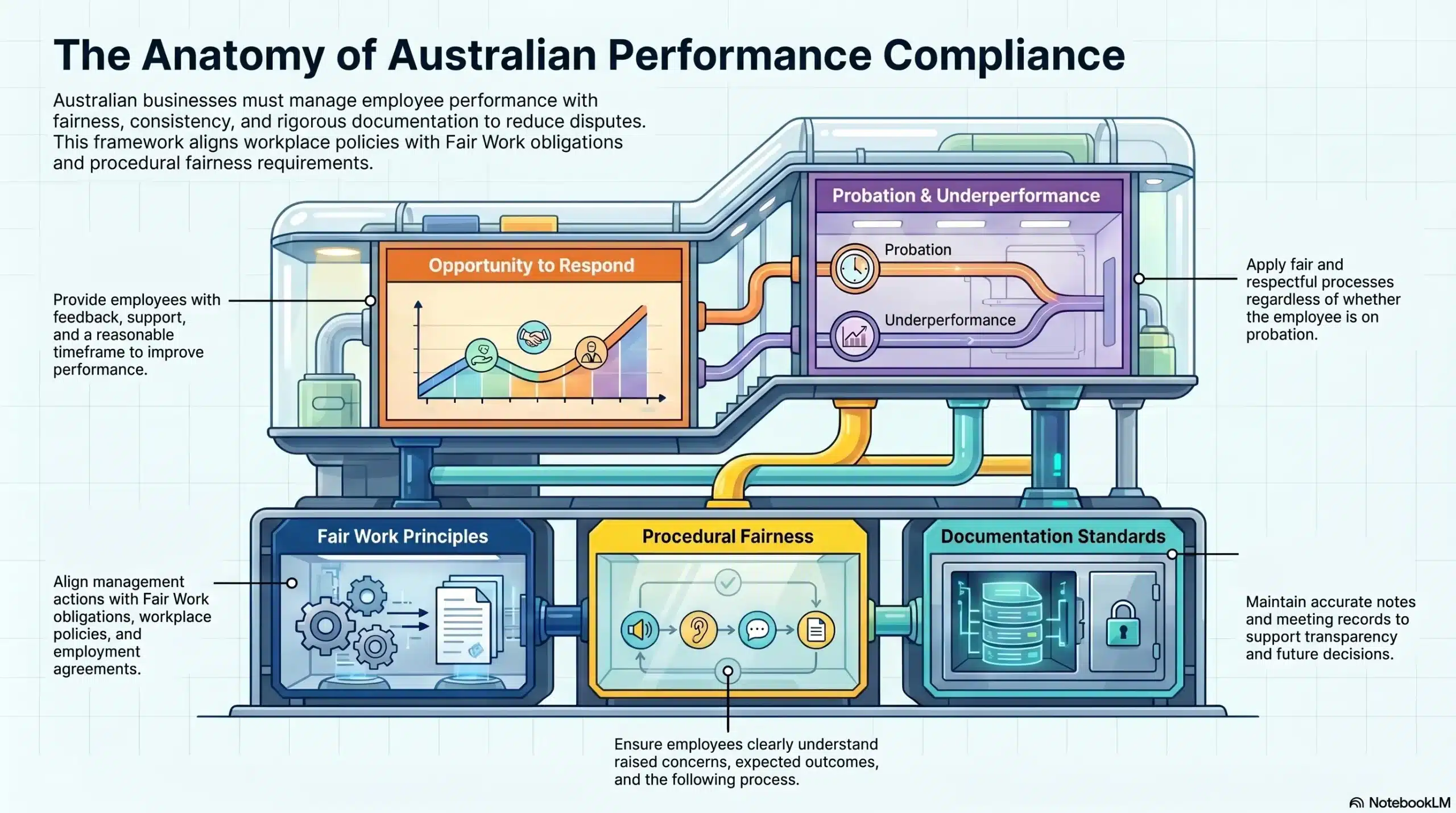
Australian businesses should manage performance processes fairly, consistently, and with proper documentation. A clear process can reduce misunderstandings and workplace disputes.
1. Fair Work Principles
Employers should consider Fair Work obligations, workplace policies, and employment agreements when managing employee performance.
2. Procedural fairness requirements
Employees should generally understand concerns raised, expectations required, and the process being followed.
3. Documentation and record-keeping requirements
Keeping accurate notes, review forms, and meeting records can help support transparency and future decisions.
4. Performance improvement and opportunity to respond
Employees should usually be given feedback, support, and a reasonable chance to respond or improve performance.
5. Probation and underperformance process requirements
Probation or underperformance actions should still follow fair and respectful processes based on business policies and applicable laws.
How to Choose the Right Performance Management Template
The best template depends on your business goals, employee needs, and how formal the review process needs to be. Simple tools may suit small teams, while larger businesses may need more detailed forms.
1. Choose based on review stage and business goal
Select templates based on whether the discussion is for reviews, probation, coaching, or development planning.
2. Match the template to employee level and manager needs
Different roles may need different review criteria, goals, or feedback depth depending on responsibility level.
3. Decide between simple forms and full review packs
Small businesses may prefer one-page forms, while larger teams may benefit from complete review packs with scoring and action plans.
When to Move from Templates to HR Software
Templates work well early on, but growing businesses may outgrow manual systems. HR software can improve efficiency and visibility across the review process.
1. Signs manual review processes are becoming inefficient
Missed deadlines, inconsistent reviews, and excessive admin time are common signs the process needs improvement.
2. Problems with disconnected spreadsheets and documents
Using separate files can create version issues, lost records, and difficulty tracking progress across teams.
3. How HR software improves visibility, reminders, and recordkeeping
HR software, including a leading HRM system in Australia, can centralise reviews, automate reminders, and improve reporting insights.
Conclusion
A performance management template helps businesses run employee reviews, set goals, and provide feedback in a clear and consistent way. It can save time, improve communication, and support stronger employee performance.
For Australian businesses, using the right templates can also improve documentation, fairness, and process consistency. This is especially valuable during reviews, probation periods, and development planning.
As your team grows, moving from manual templates to HR software can make performance management easier and more effective. You can also speak with experts to find the best solution for your business.
Book a free consultation with our experts to find the right performance management solution for your business and streamline employee reviews with confidence.
Frequently Asked Question
A performance management template is a ready-made form used to manage employee goals, feedback, and performance reviews. It helps businesses run structured and consistent review processes.
Businesses use performance management templates to standardise reviews, improve feedback quality, save time, and create better documentation for employee performance discussions.
Performance reviews can be done annually, quarterly, monthly, or through regular 1-on-1 check-ins. The best schedule depends on the business and employee needs.
Yes, performance management templates are useful for small businesses because they provide a simple and cost-effective way to manage employee feedback, goals, and reviews.
A business should consider moving to HR software when manual templates become difficult to track, reviews are inconsistent, or records are spread across multiple files and spreadsheets.