







The best inventory software in Australia for 2026 should provide accurate stock tracking, GST-ready workflows, multi-location visibility, and the flexibility to scale as a business grows. The right choice depends on factors such as company size, industry requirements, budget, and the ability to integrate inventory with purchasing, sales, accounting, and warehouse operations.
This guide compares 17 end-to-end inventory management software solutions used by Australian businesses, evaluating their key features, pricing, strengths, limitations, and ideal use cases. Each platform is assessed against local criteria, including AUD pricing transparency, AEST support availability, compliance readiness, and suitability for SMEs, retailers, wholesalers, distributors, and enterprise businesses.
Key Takeaways
Inventory software becomes necessary when spreadsheets can no longer maintain accurate, real-time stock across locations
These inventory platforms were evaluated based on Australian pricing and GST handling, scalability and customization, support coverage in local time, and usability of the free tier.
Top inventory software options in Australia include Cin7, MYOB, Zoho Inventory, HashMicro, Xero, and other platforms chosen based on fit, integrations, scalability, and support.




Best Because
It combines flexible workflows with strong automation for growing operations.
Best Because
It offers essential inventory features with a simple setup and budget friendly entry point.

Best Because
Supports matrix inventory for variants and streamlines supplier catalog imports.
Best Because
Keeps inventory and accounting data aligned in one native workflow.
What Is Inventory Management Software?
Inventory management software is a system that helps businesses track, manage, and control stock across purchasing, storage, and sales. It replaces manual processes with automated tracking to ensure inventory data stays accurate and up to date.
These systems typically connect inventory with sales channels, suppliers, and accounting tools. This allows businesses to monitor stock levels in real time, reduce manual errors, and improve order fulfilment efficiency.
Does Your Business Actually Need Inventory Software?
Many small businesses start with Excel, but manual entry eventually becomes a liability. If your team spends more time correcting data errors than analysing sales, your business has probably outgrown spreadsheets.
You may need inventory management software if your business experiences:
- Frequent stock discrepancies during stock counts
- Difficulty tracking inventory across multiple locations
- Overstocking or recurring stockouts
- Heavy reliance on spreadsheets for inventory tracking
- Delayed order fulfilment or incorrect shipments
- Limited real-time visibility into stock levels
These problems often indicate that manual processes can no longer maintain accurate stock records. A dedicated inventory system helps track stock movement, reduce human error, and improve visibility across locations.
The goal is not simply to digitise existing records. The system should also help your business respond to changing demand before shortages affect sales or fulfilment.
AI-supported replenishment can strengthen this process by analysing sales patterns, current stock, supplier lead times, and demand by location. It can then identify which products need replenishment and when the business should reorder them.






Signs You Need Inventory Software
You may need inventory management software if you experience the following issues:
- Frequent stock discrepancies during stock counts
- Difficulty tracking inventory across multiple locations
- Overstocking or frequent stockouts
- Heavy reliance on spreadsheets for inventory tracking
- Delays in order fulfilment or incorrect shipments
- Lack of real-time visibility into stock levels
How We Evaluated These Products
To provide a genuinely useful guide for Australian businesses, we looked beyond generic feature lists. We evaluated these 17 platforms based on 4 specific local requirements and operational realities in 2026.
HashMicro is included as an inventory software vendor in this comparison, and where pricing or implementation details are not publicly available, we clearly note those limitations rather than treating them as confirmed.
- Australian pricing & GST handling: We prioritized software that handles Australian GST natively without requiring complex workarounds. We also looked at billing currencies to ensure you aren’t exposed to AUD exchange rate fluctuations.
- Scalability & customization: A system must grow with you; we assessed whether these tools can handle 1,000 SKUs or 100,000 SKUs without lagging. We also checked for API openness and the ability to modify workflows.
- Support hours (AEST/AEDT): Nothing is worse than a system crash at 2 PM Sydney time when support is asleep in the US or UK. We heavily weighted vendors with local Australian support teams or 24/7 global coverage.
- Free tier availability: Indicates whether a platform offers a usable free plan, not just a time-limited trial. The evaluation focuses on what is included at no cost, including user and SKU limits, basic reporting, and essential integrations.
"Based on our review of product information, feature scope, and Australian business requirements, HashMicro's robust integration features and customisation options make it a solid choice for businesses looking for a comprehensive ERP solution."
Quick Picks by Use Case
Different businesses need inventory software for different reasons. The quick picks below group all 17 platforms by the most common use cases Australian businesses consider before choosing a system.
| Use Case | Recommended Software | Best Fit |
| Small business | Zoho Inventory, Sortly, Square for Retail, EasyReplenish, EasyVend | Businesses that need simple stock tracking, low setup effort, and affordable entry-level tools. |
| Manufacturing | HashMicro, Unleashed, Katana, Fishbowl, NetSuite | Manufacturers that need BOM, batch tracking, production planning, stock costing, and warehouse visibility. |
| Ecommerce | Cin7, Cin7 Core, Zoho Inventory, Square for Retail, InFlow | Online sellers managing stock across Shopify, marketplaces, POS, and fulfilment workflows. |
| Budget/free | Zoho Inventory, Sortly, Square for Retail, Xero, Odoo | Startups or small teams looking for free plans, low-cost subscriptions, or inventory features inside existing software. |
| Asset tracking | Sortly, EasyVend, MYOB Business, Xero, HashMicro | Teams tracking tools, equipment, internal stock, or assets across locations with basic reporting needs. |
| ERP-integrated | HashMicro, NetSuite, MYOB Business, Xero, Odoo | Businesses that want inventory connected with finance, purchasing, sales, reporting, and broader operations. |
Quick Comparison Table
Below is a high-level matrix comparing the top contenders based on their primary target audience and key strengths.
| Features | MYOB | HashMicro | Cin7 | Xero | Lightspeed | Fishbowl |
|---|---|---|---|---|---|---|
| User-Friendly Interface | ||||||
| Pricing | ||||||
| Learning Curve | ||||||
| Connection Quality | ||||||
| Ease of Integration | ||||||
| Local Integration | ||||||
| Free Trial | ||||||
| AU Support |
Best Inventory Software for Mid-Sized Warehouses with Barcode Scanning
A mid-sized warehouse in Australia typically manages 500 to 5,000 SKUs across 2 to 5 locations. At this scale, spreadsheets and manual stock tracking often become inefficient.
Barcode scanning is essential for reducing picking errors, improving inventory accuracy, and providing real-time stock visibility. The best inventory software should also support multi-warehouse management and automated stock updates.
Top Recommendations
- HashMicro: An all-in-one inventory solution with barcode scanning, multi-warehouse management, purchasing, and ERP integration.
- Cin7: Ideal for multi-channel retailers needing barcode scanning, inventory synchronisation, and e-commerce integrations.
- Unleashed: Best for businesses requiring batch and serial number tracking, with barcode scanning and inventory traceability.
17 Best Inventory Management Software in Australia (2026)
We have analysed the market to bring you the top 17 solutions. Each review of the best inventory management software dives deep into features, pros, cons, and pricing structures relevant to the Australian market.
1. Cin7: Best for multichannel retailers/wholesalers
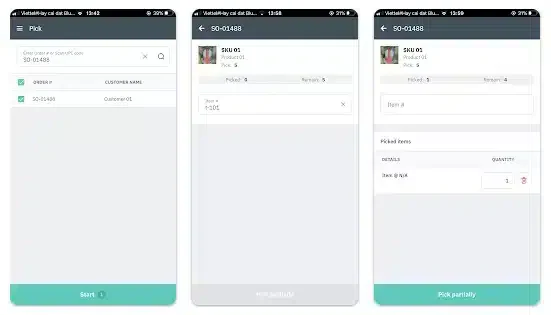
Cin7 has established itself as an inventory control software for Australian businesses that sell across multiple channels, including integrations with Shopify, Amazon, and eBay. It centralizes all these streams into a single dashboard and automates order routing.
Key Features:
- Connected inventory
- Built in EDI
- Native POS
- Real time stock sync
| Pros | Cons |
|
|
Pricing:Cin7 generally starts around $500 AUD/month, but Australian pricing varies based on the “Omni” or “Core” package selection.
Suitable for: Multichannel retailers, wholesalers, and distributors that need strong inventory sync across stores and sales channels.
Local support: Support Australian GST and tax rules including WET, AUD pricing, and onboarding delivered in AEST hours.
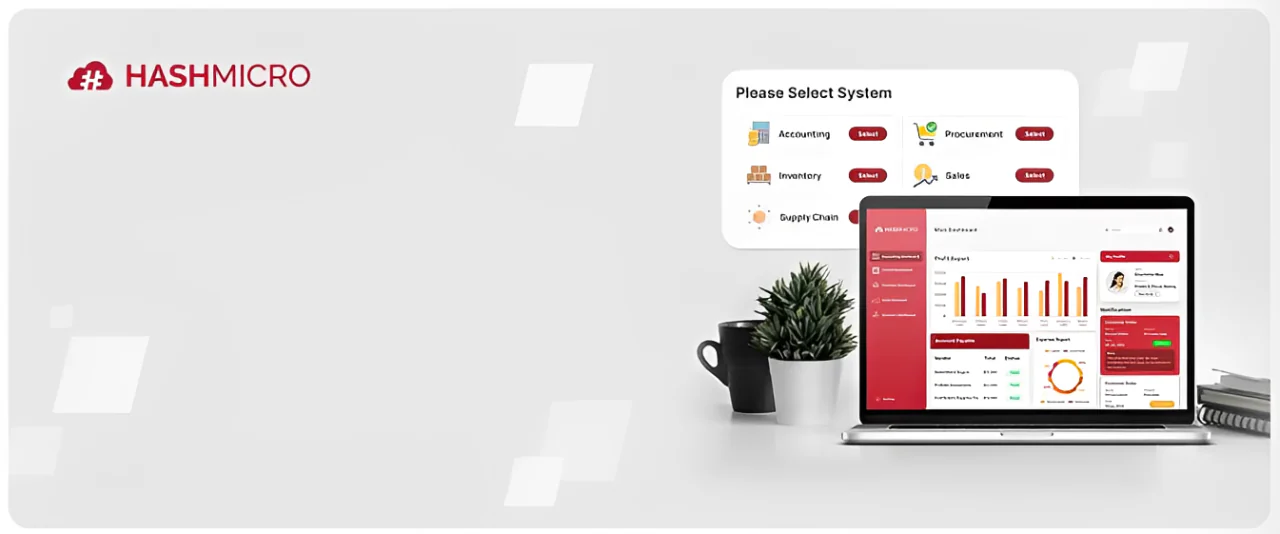
2. HashMicro: Best for growing Australian businesses needing ERP-integrated inventory
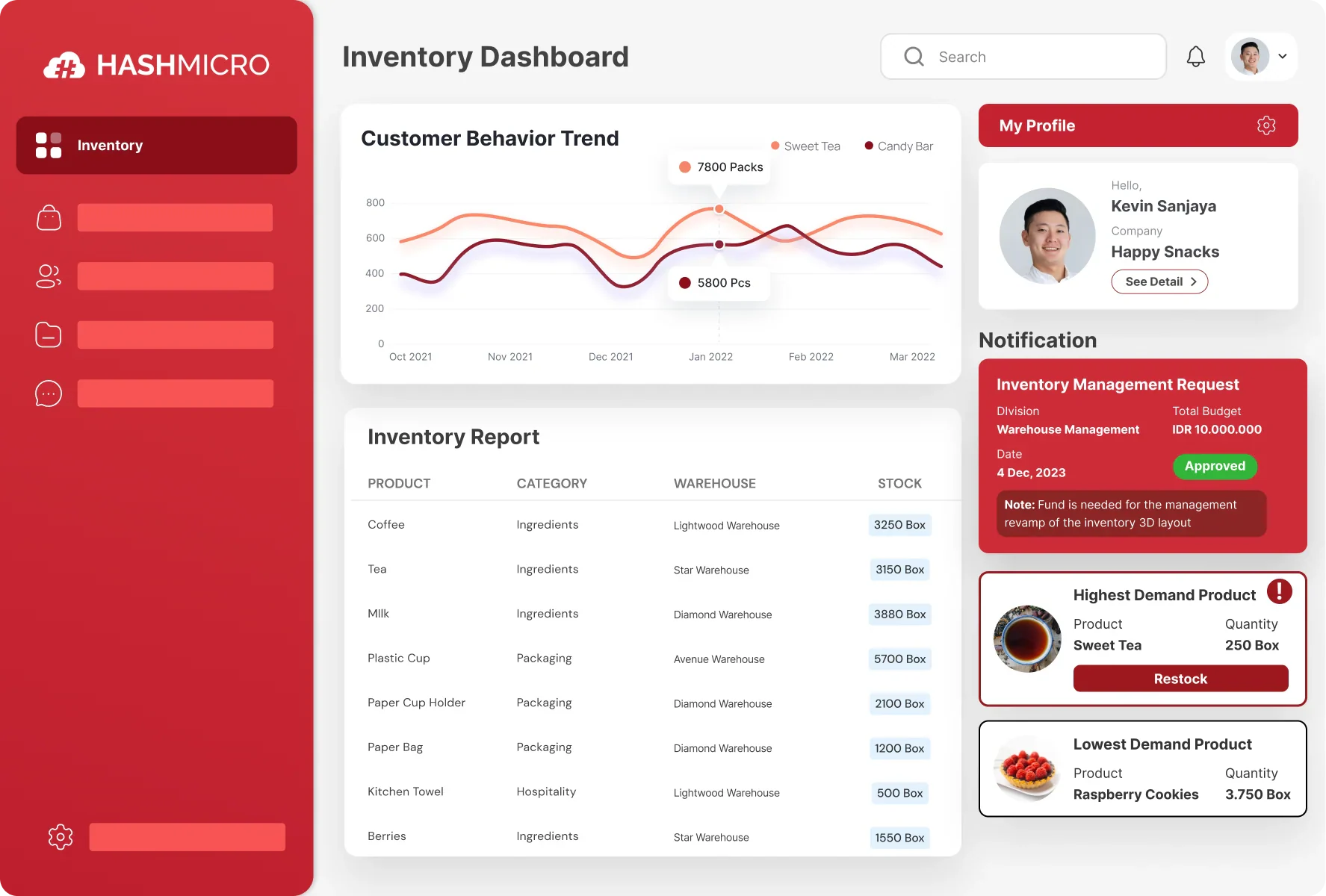
HashMicro stands out as one of the best inventory management software and a full-fledged ERP solution tailored for the Australian market. It supports integration with ecommerce platforms and marketplace systems, enabling businesses to manage sales and inventory within a unified workflow.
Key Features:
- Real-time inventory tracking across multiple warehouses, branches, and stock locations
- Automated stock replenishment, minimum stock alerts, and demand forecasting
- Barcode and batch tracking to improve stock accuracy and traceability
- Procurement, sales, accounting, and warehouse integration in one system
- GST-ready invoicing and financial reporting support for Australian operations
- Inventory valuation and stock movement reports for better cost control
- 3D warehouse visualisation for businesses managing complex warehouse layouts
- Customisable workflows for wholesale, distribution, retail, manufacturing, and enterprise operations
- Native Hashy AI for plain-language stock queries, demand forecasting, and automated movement summaries
- AI-powered reorder alerts with demand-based replenishment recommendations per branch or location
| Pros | Cons |
|
|
Pricing: Quote-based in AUD. Typically follows a perpetual license or module-based pricing, which is often more cost-effective for Australian large teams in the long run.
Suitable for: Enterprises that want an all in one solution covering inventory, purchasing, sales, and finance, including businesses managing stock across multiple branches or warehouses in Australia.
Local support: Support GST-ready invoicing and reporting, AUD-based quotes, and a local implementation team available during Australian business hours.
3. Unleashed (by Access Group): Best for manufacturers and Xero users
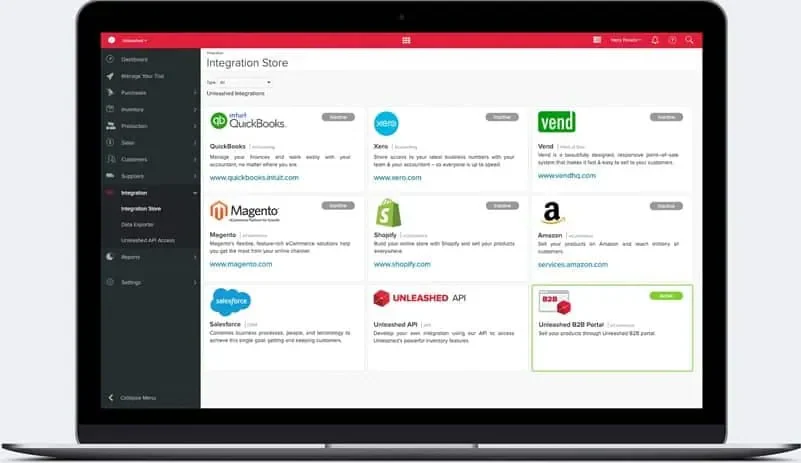
Unleashed is a favorite among Australian manufacturers due to its robust production capabilities and seamless integration with Xero. It also supports integrations with ecommerce platforms such as Shopify, allowing better coordination between sales and inventory.
Key Features:
- Multi-level BOM
- Assembly costing
- B2B e-commerce portal
- Self-service wholesale ordering
| Pros | Cons |
|
|
Pricing: Plans typically start from roughly $350 AUD/month, scaling up based on users and API limits.
Suitable for: Manufacturers and assembly driven businesses that rely on detailed BOM and production costing.
Local support: Support GST tax rates with two-way Xero and MYOB sync, AUD pricing, and coverage aligned to Australian and New Zealand hours.
4. Zoho Inventory: Best free/low-budget option
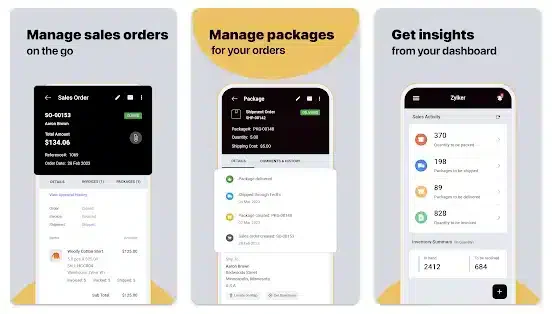
Zoho Inventory offers a surprising amount of functionality at a very low entry point, with integrations to marketplaces such as Shopify, Amazon, and Zoho Commerce. It is part of the massive Zoho ecosystem, making it easy to expand into CRM or Books later.
Key Features:
- In-dashboard label printing
- Kitting and bundling
- Serial number tracking
| Pros | Cons |
|
|
Pricing: Free tier available. Paid plans start around $29 AUD/month per enterprise.
Suitable for: Startups and small teams that want a low cost system with solid shipping and order basics.
Local support: Support Australian GST through its dedicated AU edition, with BAS reporting generated once Zoho Books is connected.
5. Dear Inventory (now Cin7 Core): Best for growing SMEs
Previously known as Dear Systems, this inventory management software Australia was acquired by Cin7 and rebranded as Cin7 Core. It supports integrations with platforms like Shopify and Amazon, making it suitable for growing multichannel businesses.
Key Features:
Cin7 Core offers a comprehensive suite including POS, B2B portal, and robust accounting integrations. Its “Advanced Manufacturing” module is surprisingly deep, allowing for production scheduling and capacity planning.
| Pros | Cons |
|
|
Pricing: Starts at approximately $500 AUD/month base fee.
Suitable for: Growing SMEs that need a structured inventory system with purchasing and sales workflows.
Local support: Support GST workflows, Xero and MYOB integration, and Australian partner networks offering AEST implementation and training.
6. MYOB Business (built-in): Best for MYOB-native businesses
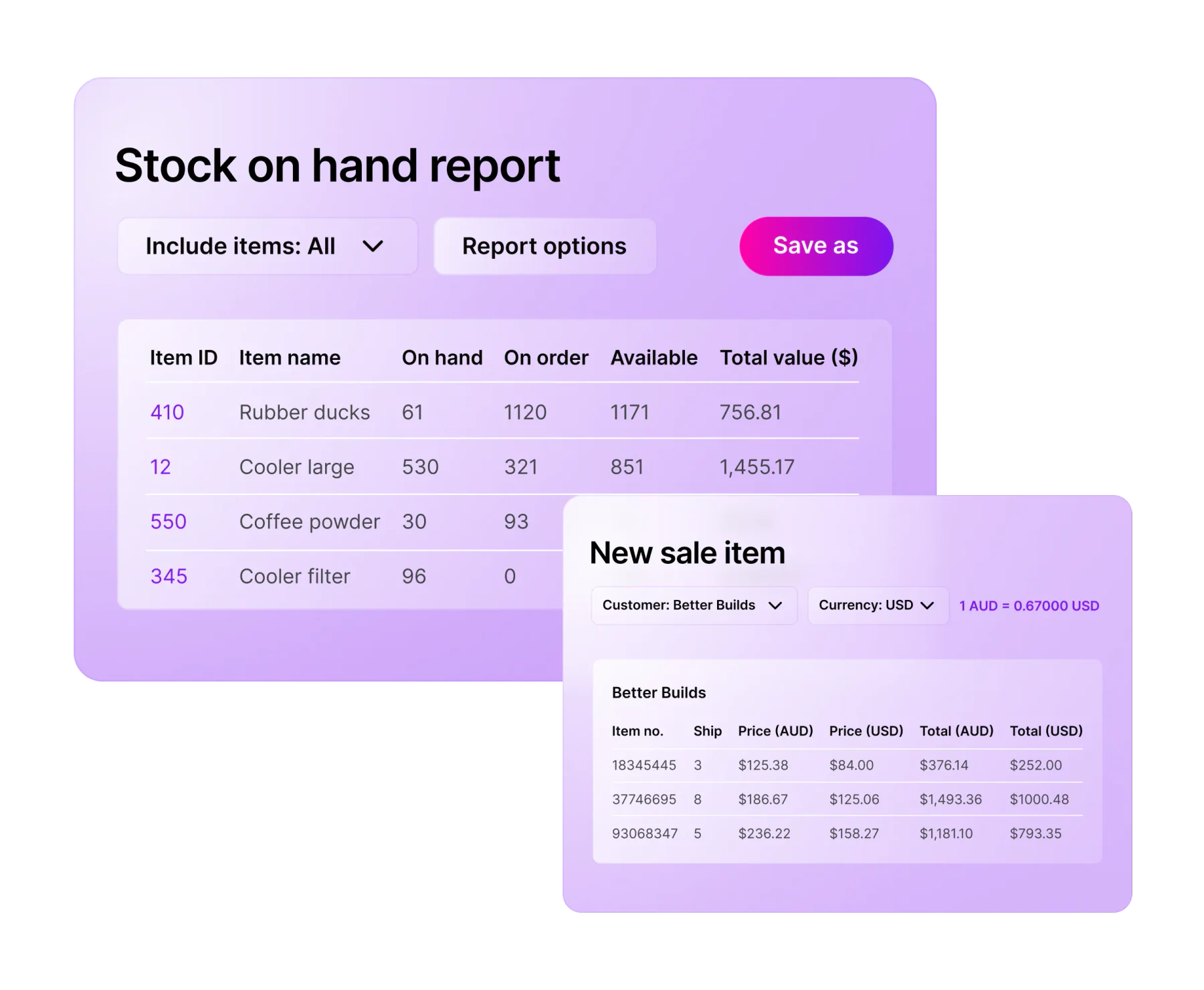
For businesses already entrenched in the MYOB ecosystem, using the built-in inventory features is a logical first step. MYOB also supports integrations with ecommerce platforms such as Shopify through extensions, helping align online sales with accounting data.
Key Features:
- Stock on hand
- Item variations
- Accurate COGS reporting to ATO
| Pros | Cons |
|
|
Pricing: Included in MYOB Business Pro/Plus subscriptions (approx $60-$140 AUD/month).
Suitable for: Businesses already running MYOB that want inventory tied closely to accounting.
Local support: Support GST and BAS lodgement natively, AUD pricing, and a fully Australian support team during local hours.
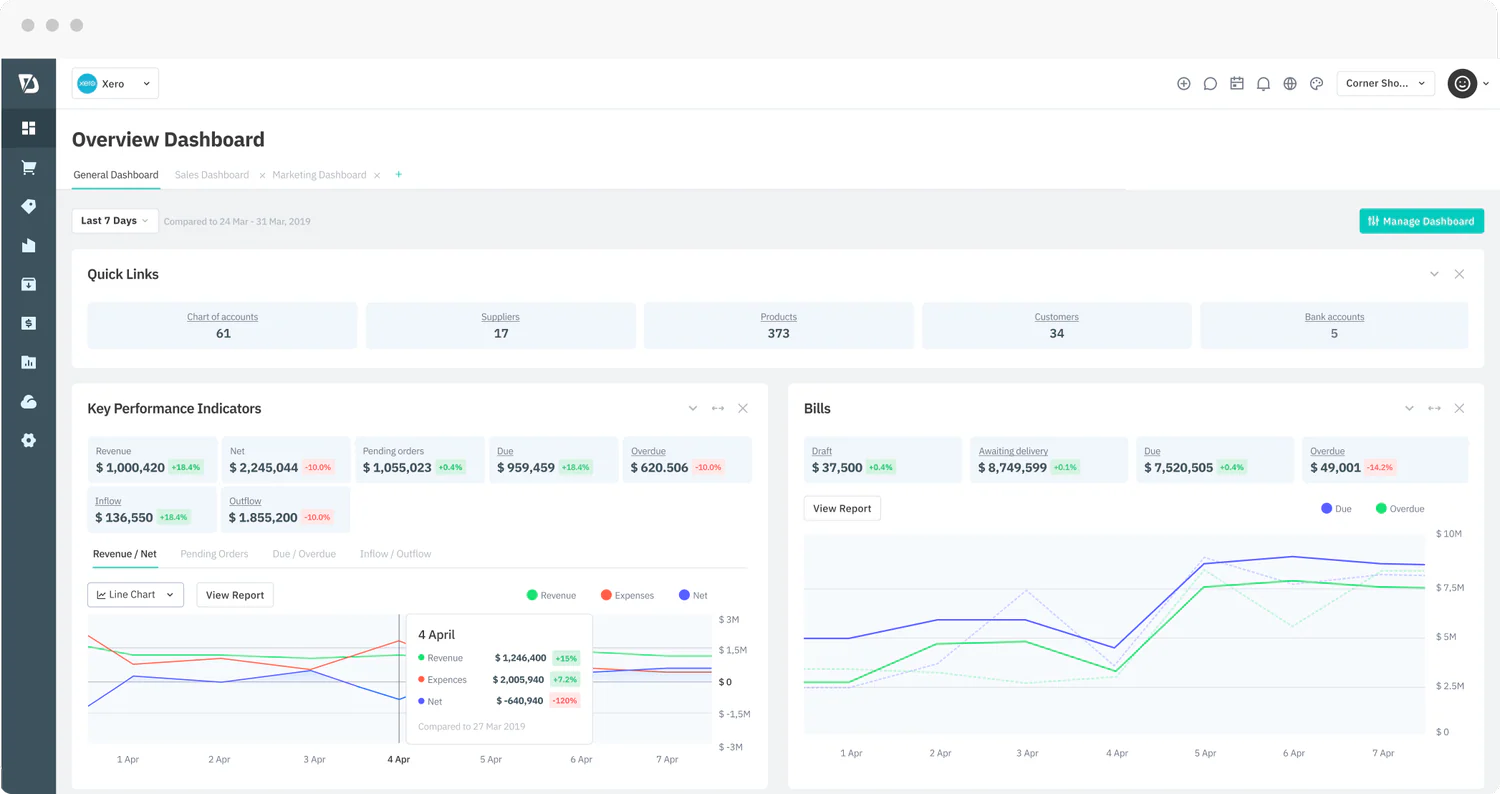
7. Xero Stock Management Software: Best for Xero users with simple needs
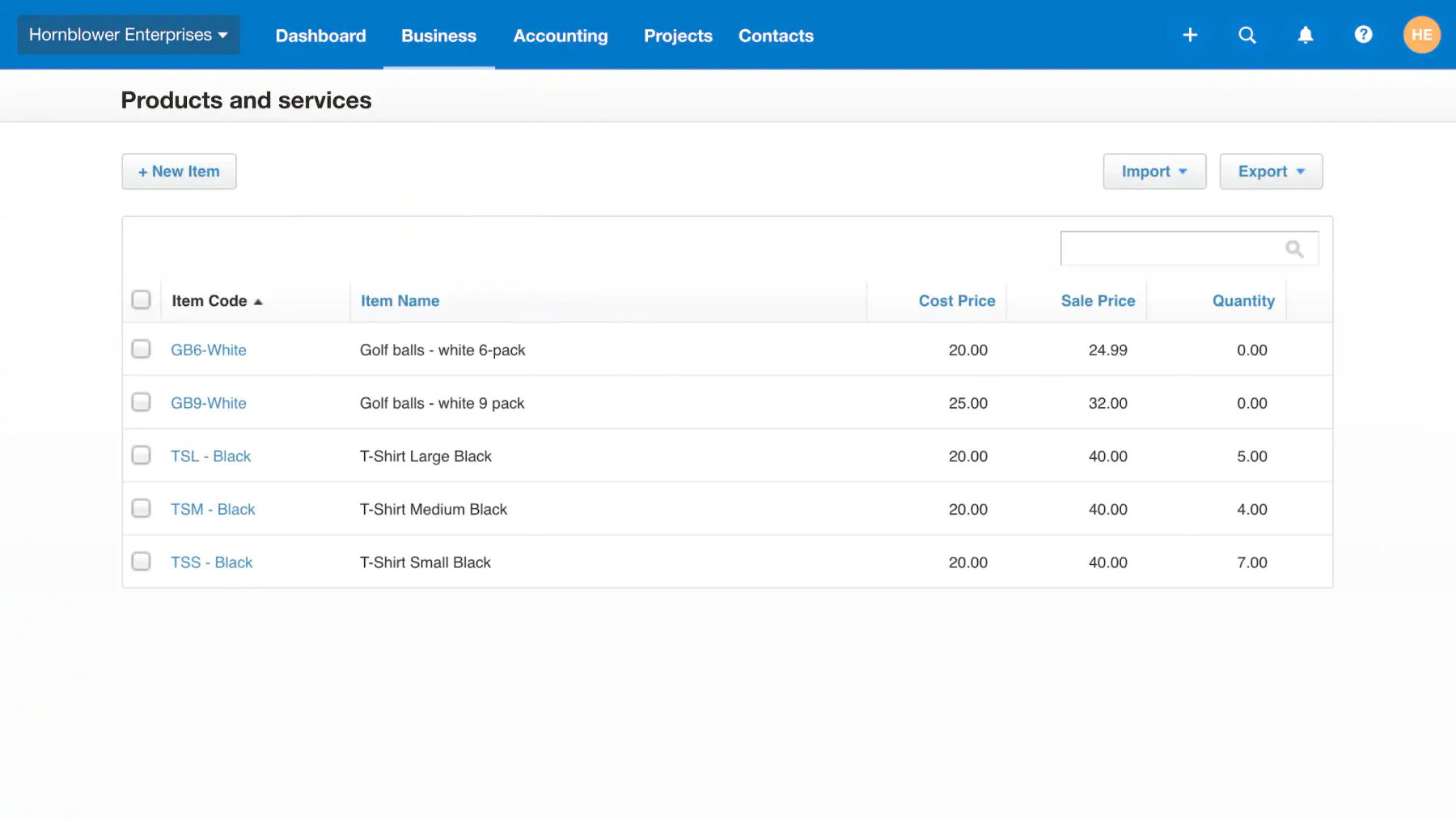
Xero is primarily an inventory control software that is sufficient for service-based businesses or very small retailers. It integrates with ecommerce platforms such as Shopify and other third-party tools to extend its inventory capabilities.
Key Features:
- Invoice and PO item tracking
- Automatic stock adjustment
- Inventory item summary report
| Pros | Cons |
|
|
Pricing: Included in Standard and Premium Xero plans.
Suitable for: Businesses with simple stock needs that want lightweight tracking inside their accounting workflow.
Local support: Support GST and BAS-ready accounting, AUD pricing, and Australian-based support with a large local advisor network.
8. Sortly: Best for asset/equipment tracking
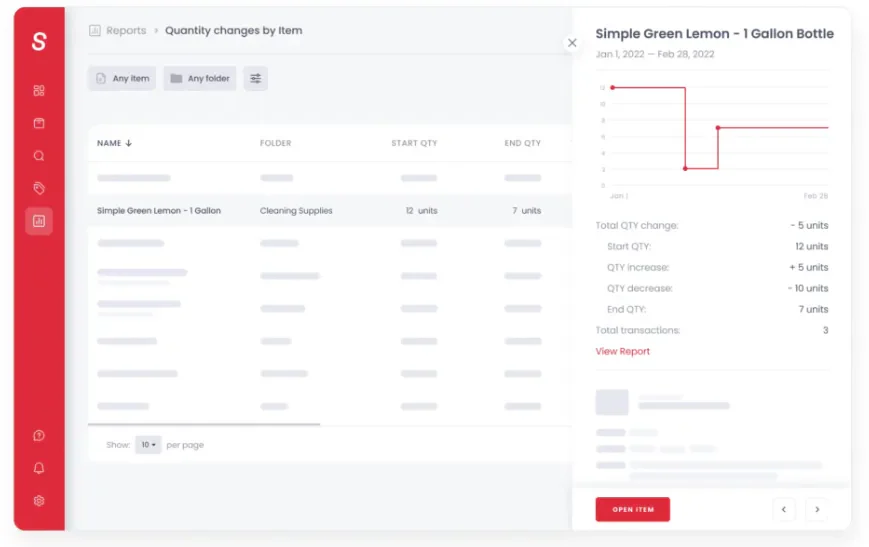
Sortly takes a visual-first approach to inventory, making it intuitive for internal tracking. However, it offers limited marketplace integrations compared to ecommerce-focused inventory systems.
Key Features:
- Mobile QR barcode scanner
- Visual folders
- Location tagging
| Pros | Cons |
|
|
Pricing: Free plan available. Paid plans start around $45 AUD/month.
Suitable for: Teams tracking assets, tools, and equipment rather than high volume product inventory.
Local support: Support asset and stock visibility only, with no built-in GST or tax module, so invoicing and BAS stay in a separate accounting system.
9. Square for Retail: Best for brick-and-mortar POS inventory
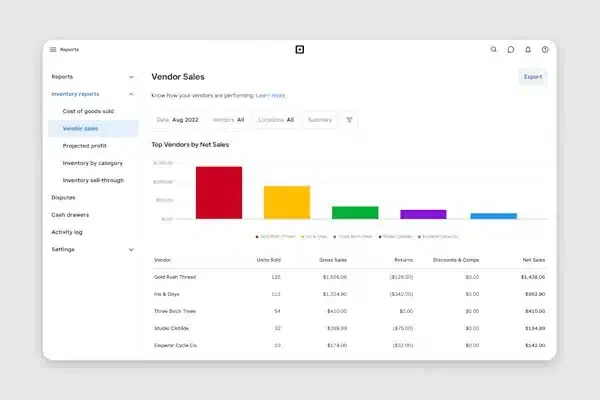
Square revolutionized payments, and its retail inventory system integrates with ecommerce platforms such as Square Online and Shopify, helping businesses sync in-store and online sales.
Key Features:
- Real time multi location stock
- Vendor management
- Dashboard purchase orders
| Pros | Cons |
|
|
Pricing: Free software option (pay per transaction). “Plus” plan is approx $60 AUD/month per location.
Suitable for: Brick and mortar stores that want POS first inventory tracking with fast setup.
Local support: Support GST-inclusive pricing, AUD transactions and settlement, and Australian retail support during local hours.
10. InFlow: Best for B2B showrooms

InFlow Inventory is a veteran in the space, offering integrations with platforms such as Shopify and other ecommerce tools to support B2B and showroom-based operations. It is also suitable for small to mid-sized businesses looking for a straightforward inventory system.
Key Features:
- B2B portal
- Self-service ordering
- Smart reorder points
| Pros | Cons |
|
|
Pricing: Starts around $140 AUD/month.
Suitable for: Small to mid sized businesses that need straightforward inventory with barcode friendly workflows.
Local support: Support GST-inclusive pricing and ABN tax invoices through its Australian setup, though billing is USD-based and support runs on North American hours.
11. Odoo: Best for shipping-heavy businesses
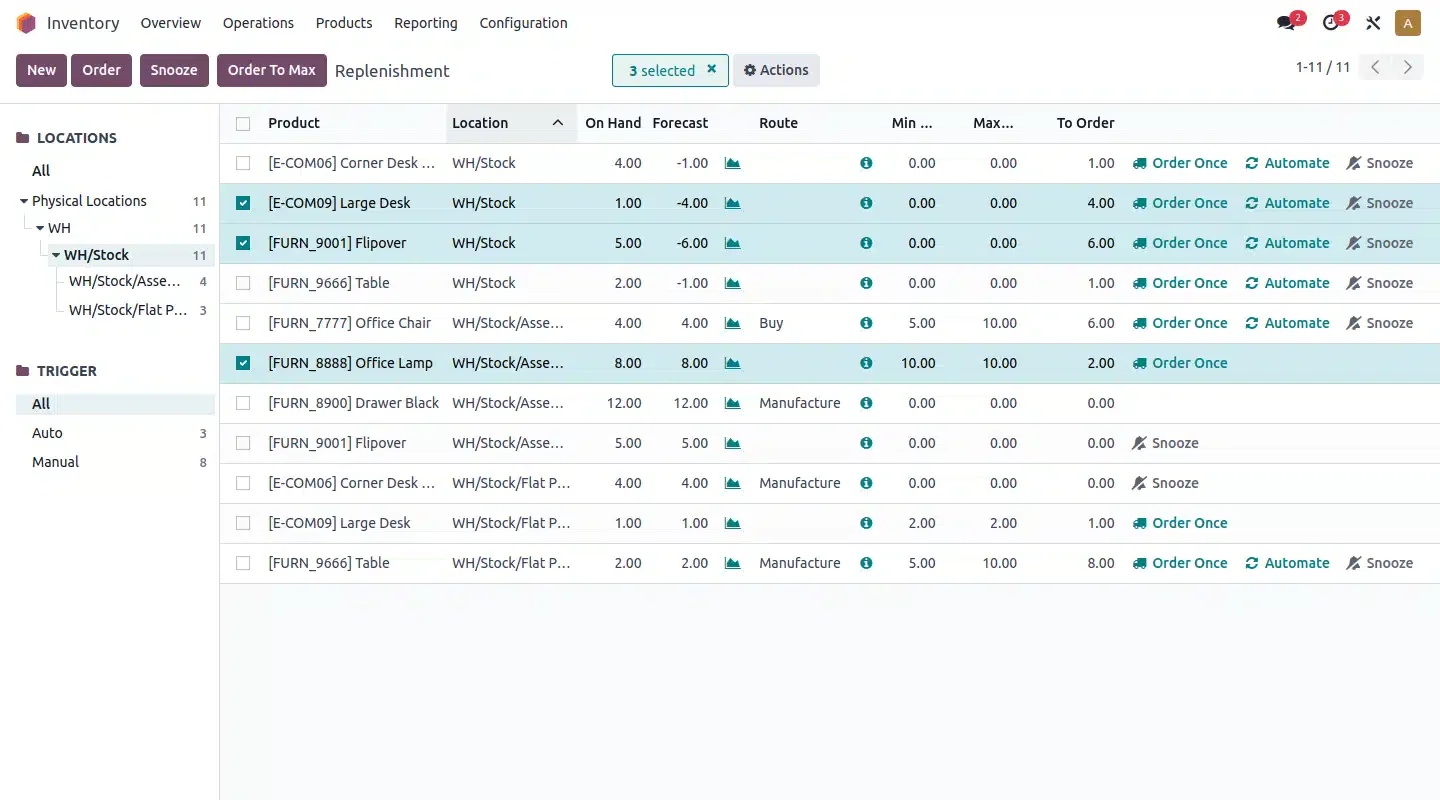
Odoo is less of a stock management software and more of a flexible business platform, with integrations to ecommerce platforms such as Shopify and its native Odoo eCommerce module.
Key Features:
- Drop ship kitting
- Multi supplier bundles
- Shipping label automation
| Pros | Cons |
|
|
Pricing: Free limited plan available. Advanced plans start around $90 AUD/month.
Suitable for: E-commerce sellers that want shipping automation plus basic inventory control.
Local support: Support GST and BAS through the Australian fiscal localisation package, but setup and ongoing help usually rely on a local implementation partner.
12. Katana: Best for visual manufacturing
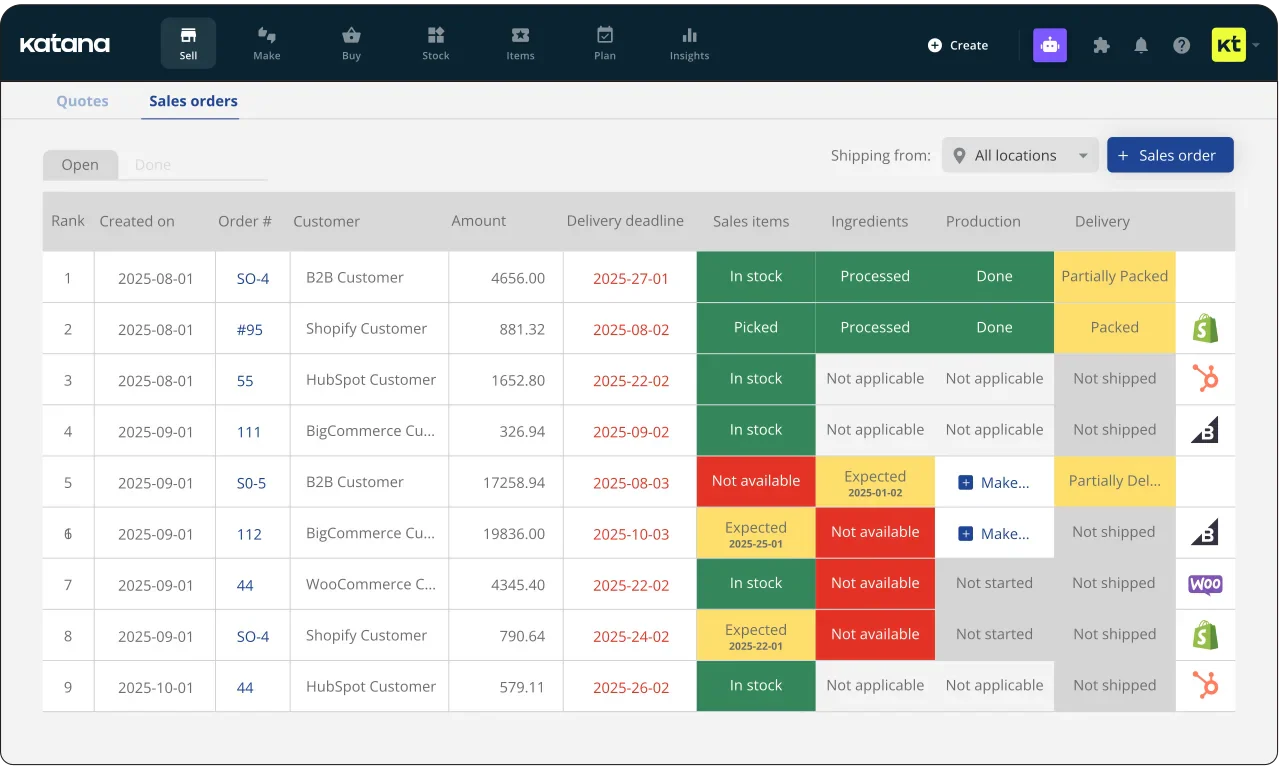
Katana (Katana Cloud Manufacturing) has gained a strong following among manufacturers and integrates with platforms such as Shopify and Xero, helping align production and sales data.
Key Features:
- Smart Workshop
- Raw material availability view
- Real time stock reallocation
| Pros | Cons |
|
|
Pricing: Starts around $150 AUD/month.
Suitable for: Manufacturers that need production planning, BOM, and shop floor visibility.
Local support: Support GST only by pushing transactions to Xero or QuickBooks, with no BAS reporting of its own and support hours outside Australian business time.
13. FishBowl: Best for QuickBooks users

Fishbowl ranks among the best inventory management software options that integrate with platforms like Shopify and QuickBooks, supporting businesses that require deeper warehouse and ecommerce coordination.
Key Features:
- Wave picking
- Cycle counting
- Advanced warehouse management
| Pros | Cons |
|
|
Pricing: Significant upfront investment (often thousands), or subscription models.
Suitable for: Warehouse heavy businesses that need advanced inventory and work order management.
Local support: Support line-item tax the way Australian orders require, with Xero, QuickBooks Australia, and Reckon integration plus a dedicated Australian office.
14. EasyReplenish: Best for small businesses
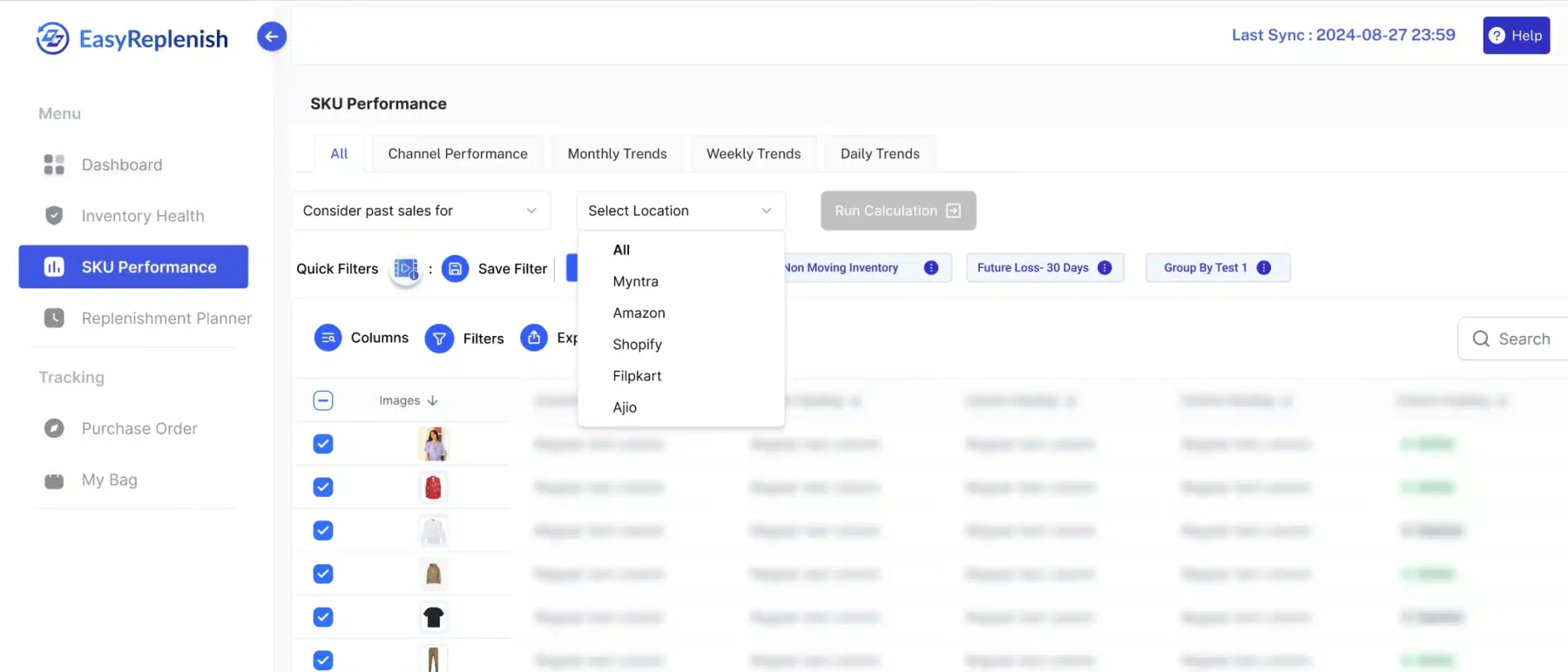
EasyReplenish is a streamlined cloud inventory tool that works alongside existing systems and can integrate with ecommerce platforms to support demand-based replenishment decisions.
Key Features:
- Sales velocity analysis
- Reorder forecasting
- Automated purchase orders
| Pros | Cons |
|
|
Pricing: Typically lower cost, SaaS model.
Suitable for: Small businesses that want demand based replenishment and purchasing guidance.
Local support: Support replenishment and demand planning only, with no GST, invoicing, or AUD billing, so it must sit alongside an accounting system.
15. LightSpeed Retail: Best for hospitality & retail
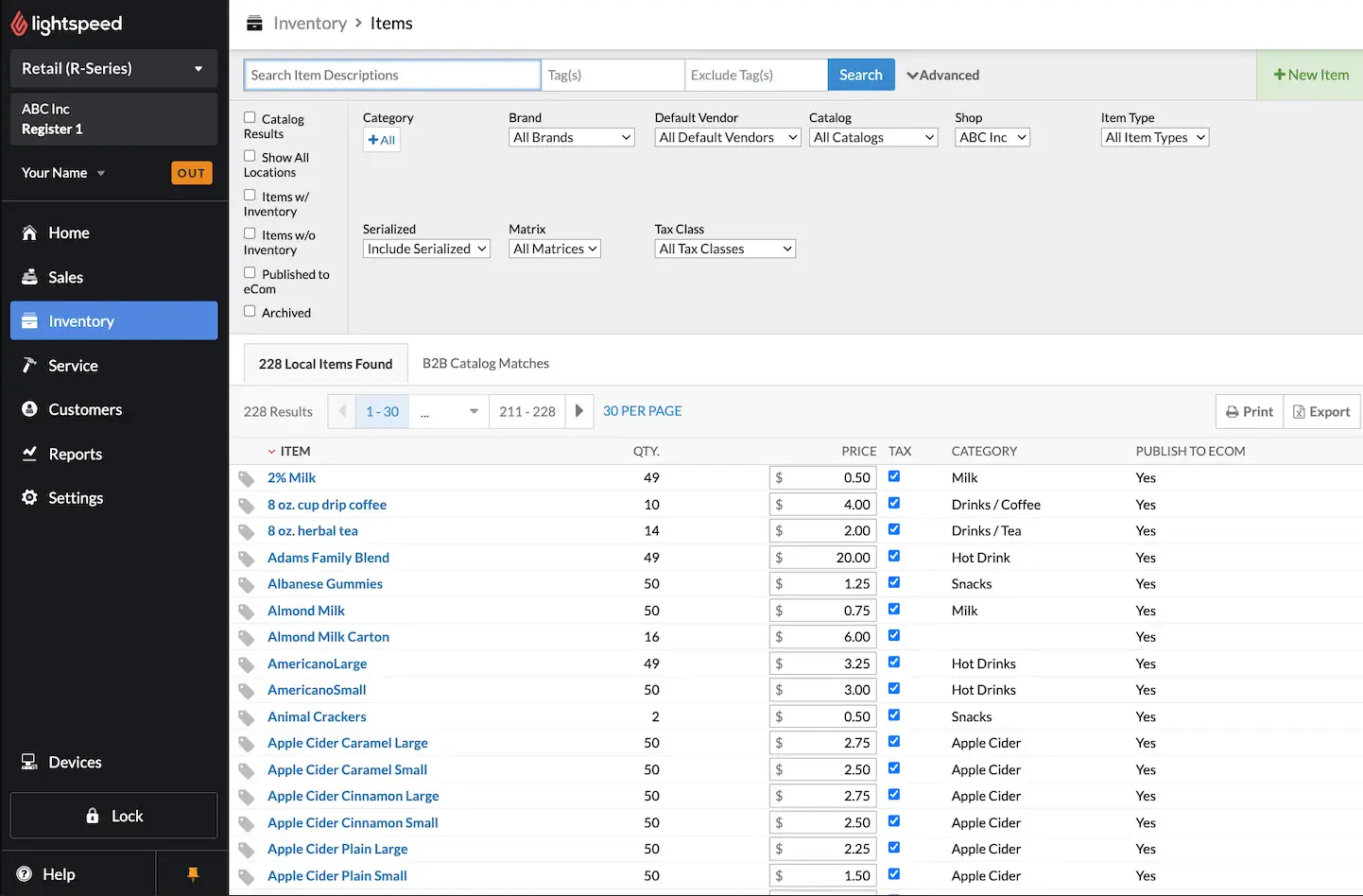
Lightspeed is a massive global player that integrates with ecommerce platforms such as Shopify and its own ecommerce solutions, supporting multichannel retail and hospitality operations.
Key Features:
- Matrix inventory
- Variant management
- Supplier network integrations
| Pros | Cons |
|
|
Pricing: Starts around $89 AUD/month.
Suitable for: Retail chains that want a POS centric platform with inventory and customer management.
Local support: Support GST-ready retail and hospitality workflows, AUD pricing, and an Australian support presence for local store operators.
16. SimplyDepo: Best for CPG distributors
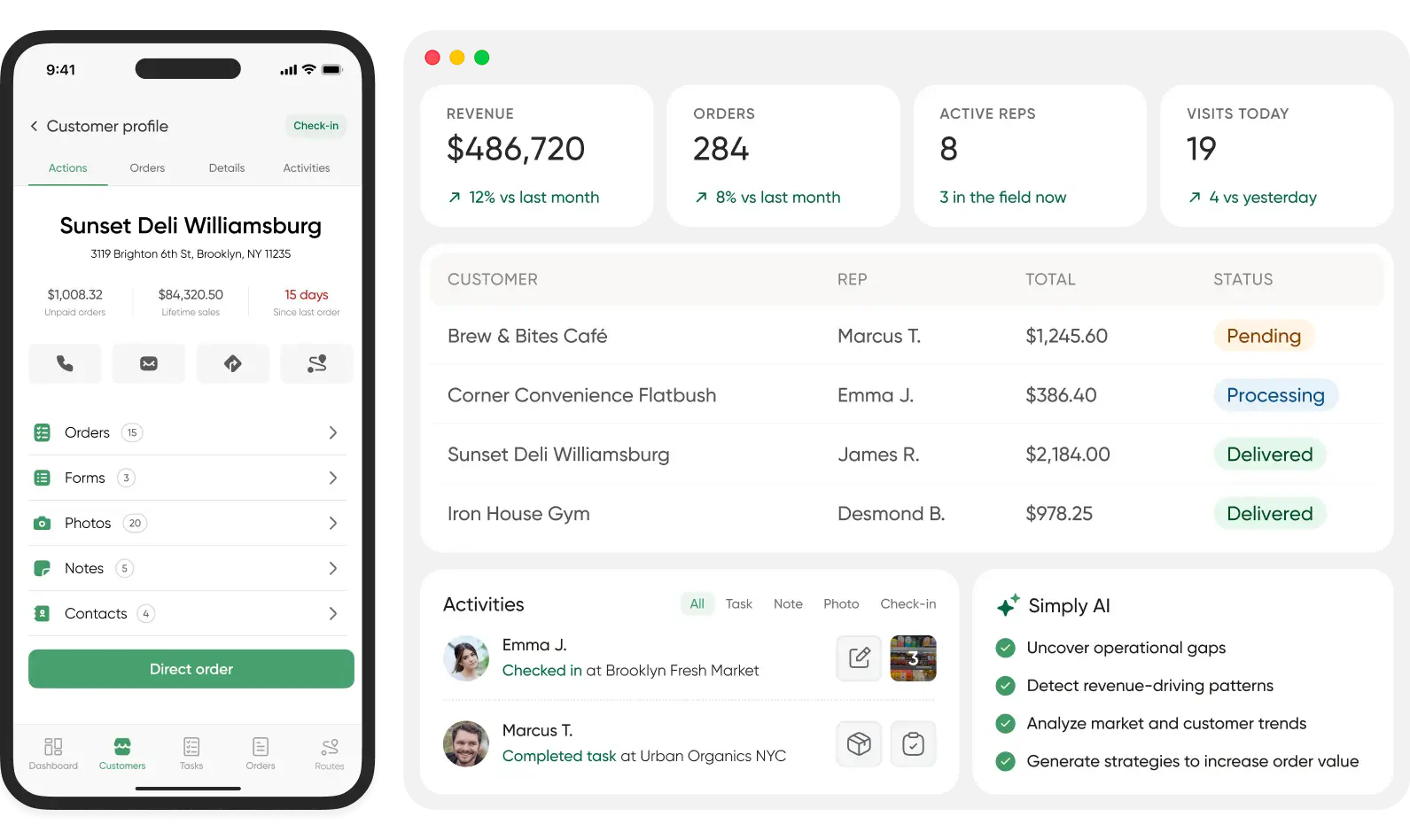
For CPG distributors, SimplyDepo’s B2B order management software connects customer ordering with field sales and distribution workflows.
Key Features:
- B2B order management and invoicing
- Customer self-service ordering portal
- Field sales route planning
- Retail execution and shelf audits
| Pros | Cons |
|
|
Pricing: Starting at $89/rep/month with simple monthly billing and no annual contracts. A full-featured 30-day free trial is available, with no credit card required.
Suitable for: Small to mid-sized CPG brands and distributors with field reps who take orders and run store visits.
Local support: Limited for Australia.
17. Netsuite: Best for Growing Enterprise
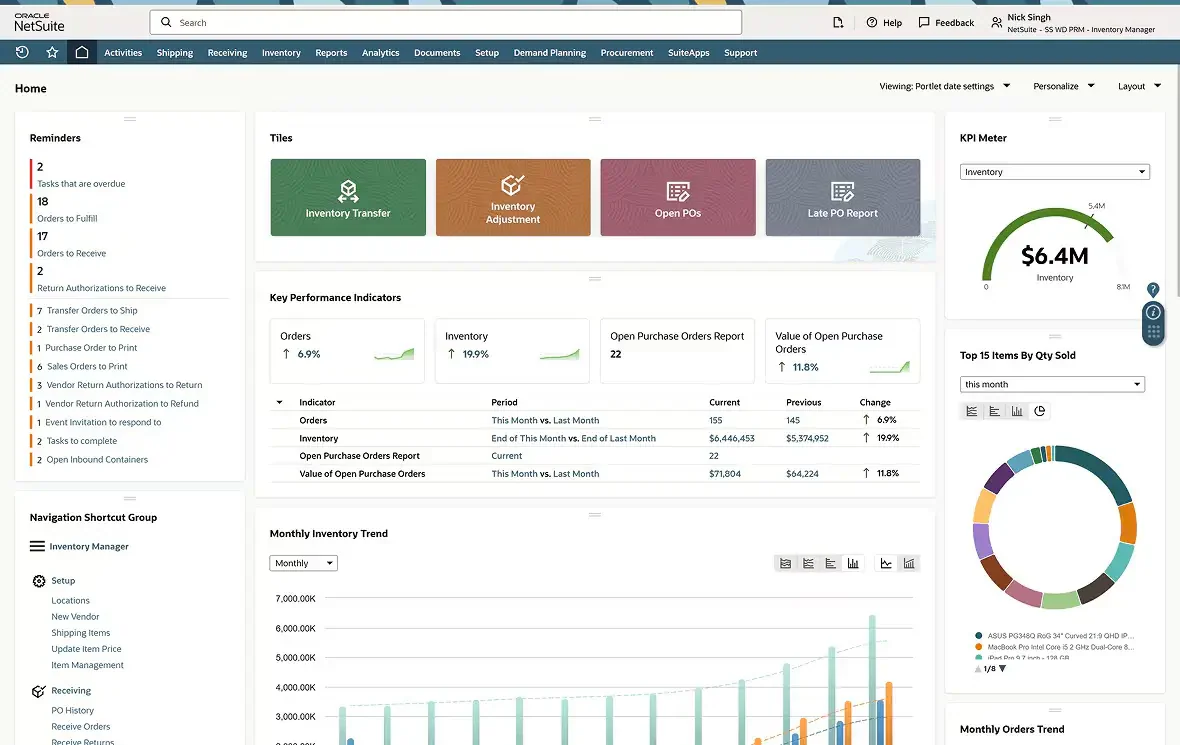
Oracle NetSuite is a cloud-based ERP platform designed to help businesses manage operations such as inventory, supply chain, finance, HR, payroll, and project management within one system. It is widely used by growing and enterprise businesses that need scalable business management tools and strong customisation capabilities.
Key Features:
- Financial management and accounting automation
- Inventory and supply chain management
- CRM and customer management tools
- Project management and business reporting
- Multi-entity and multi-currency support
| Pros | Cons |
|
|
Pricing: Custom pricing based on business size, users, modules, and operational requirements.
Suitable for: Growing businesses and enterprises needing a scalable cloud ERP with integrated finance, inventory, supply chain, and business management tools.
Local support: Support GST, BAS, Payment Times Reporting, and Supplier ABN lists through the ANZ Localization SuiteApp, which needs to be installed and configured first.
How Much Does Inventory Software Cost in Australia?
Inventory software pricing in Australia varies depending on features, business size, and system complexity. Understanding cost structures helps businesses choose solutions that match their budget and operational needs.
1. Free vs paid software
Free plans are suitable for small businesses with limited inventory needs. Paid solutions offer advanced features such as automation, reporting, and integrations.
2. Pricing tiers
Most software uses tiered pricing based on users, features, or transaction volume. Entry-level plans may start from $20–$50 AUD per month, while advanced systems can exceed $300 AUD.
3. AUD vs USD pricing
Some platforms charge in USD, which can lead to fluctuating costs due to exchange rates. Choosing AUD-based pricing helps maintain predictable expenses.
4. Hidden implementation costs
Beyond subscription fees, businesses should consider setup, training, and integration costs. These can significantly impact the total investment.
5. Total cost of ownership
The overall cost includes licensing, maintenance, upgrades, and support. Evaluating long-term costs helps avoid unexpected expenses.
How to Choose Australia’s Best Inventory Management Software
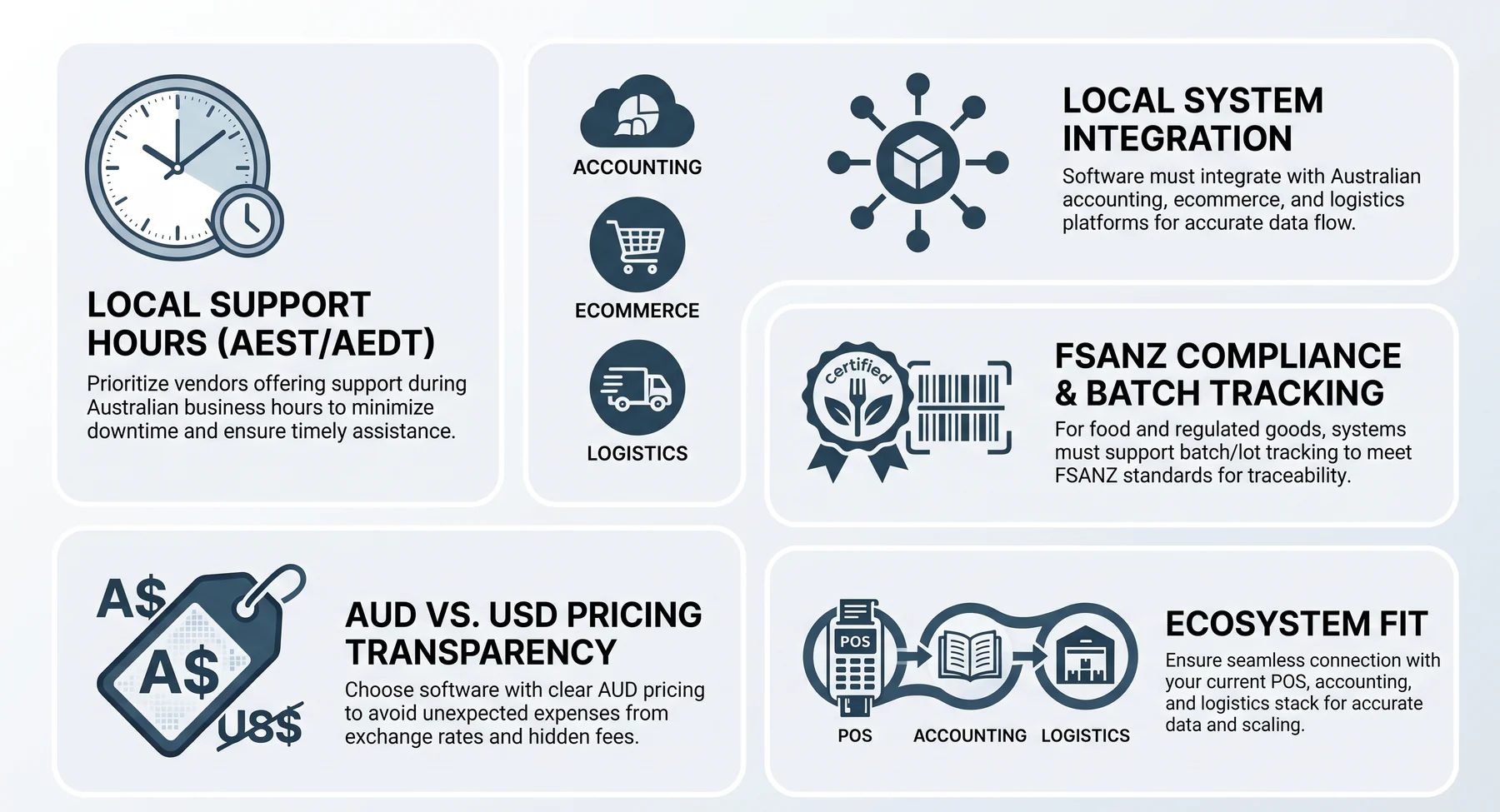
Choosing the right inventory management software Australia platform requires more than comparing features. Businesses need a system that aligns with local operations while supporting efficient workflows and streamlined inventory control across daily processes.
A well chosen system should reduce operational friction, improve visibility, and fit into existing workflows without adding unnecessary complexity. The following factors can help guide a more practical and locally relevant decision.
1. Support Hours (AEST/AEDT)
Support availability is critical when dealing with operational issues that affect stock accuracy or order fulfilment. Businesses in Australia should prioritise vendors that provide support aligned with AEST or AEDT time zones.
Relying on offshore support can lead to delays when issues occur during local business hours. Timely assistance helps reduce downtime and ensures operations continue without disruption.
2. Local Integration with Australian Systems
Inventory software should integrate smoothly with tools commonly used in Australia, including accounting, ecommerce, and logistics platforms. Poor integration often leads to manual work and inconsistent data across systems.
A strong local integration ecosystem ensures that orders, streamlined inventory control, and financial data flow accurately between platforms. This reduces reconciliation work and improves overall efficiency.
3. FSANZ Batch Tracking and Compliance
For businesses handling food, beverages, or regulated goods, compliance with FSANZ standards is essential. Inventory systems should support batch or lot tracking to ensure traceability across the supply chain.
This allows businesses to manage recalls, monitor product movement, and maintain accurate records. Without proper tracking, compliance risks and operational issues can increase significantly.
4. AUD vs USD Pricing Transparency
Pricing structure plays an important role in long-term cost management. Businesses should ensure that software pricing is clearly presented in AUD rather than USD to avoid fluctuations caused by exchange rates.
Hidden costs, conversion fees, or unclear billing structures can lead to unexpected expenses. Transparent pricing helps businesses plan budgets more accurately and avoid financial surprises.
5.Ecosystem Fit with Your Current Stack
Inventory software should work seamlessly with the tools your business already relies on, including accounting systems, POS, ecommerce platforms, and logistics providers. Strong integration ensures that data flows consistently across operations.
When systems are well connected, businesses can reduce manual adjustments and maintain accurate inventory data. This supports more efficient workflows and helps operations scale without unnecessary complexity.
Conclusion
Choosing the best inventory management software depends on how well the system fits operational workflows, not just the number of features it offers. The right platform should support accurate stock control, smoother purchasing, and clearer business decisions.
Each business has different priorities, whether it is multi-location visibility, manufacturing control, or simple day-to-day stock tracking. Comparing systems based on scalability, integrations, and usability helps ensure the software remains effective as operations grow.
Inventory software works best when it aligns with real business processes and can adapt over time. If you want help shortlisting options, request a free consultation with our team.
Frequently Asked Questions About Best Inventory Software
Prices range from free plans to more than $300 AUD per month for mid-market tools such as Cin7 or Unleashed. Enterprise ERP solutions like HashMicro are usually priced based on modules, users, implementation scope, and business requirements.
The best inventory management software in Australia depends on business size, industry, and workflow complexity. HashMicro is a strong option for businesses that need inventory connected with purchasing, sales, accounting, warehouses, GST-ready reporting, and scalable ERP workflows.
Zoho Inventory, Sortly, Square for Retail, and Odoo are among the common free or low-cost inventory software options. Free tools are useful for small teams, but growing businesses may need paid software for multi-location tracking, advanced reporting, automation, and deeper integrations.
Real-time tracking helps prevent overselling, stockouts, and inaccurate stock records. It also allows businesses to reduce holding costs by ordering the right stock at the right time.
Excel can be used for basic inventory management, but it becomes harder to maintain as stock volume, locations, and order activity increase. Dedicated inventory software provides real-time updates, reporting, automation, and integration with other business functions.
Common inventory management software includes cloud inventory software, inventory control software, POS inventory tools, and ERP-integrated systems. Popular choices vary by business type, with retailers often choosing POS-based tools and larger businesses choosing ERP-connected inventory platforms.
For businesses managing stock across multiple warehouses or branches in Australia, HashMicro, Cin7, and Unleashed are among the stronger options. The right choice depends on whether the business also needs accounting integration, batch tracking, replenishment planning, or full ERP coverage.