











 Limited to 100 registrants

In today’s fast-paced business environment, the risk of security breaches, fraud, and non-compliance with regulations is always present. Without a clear and reliable way to track every action within your systems, businesses open themselves up to these risks. The root cause of these vulnerabilities often lies in the lack of an effective audit trail—a tool that records detailed logs of user actions and system changes.
Implementing an audit trail provides a robust solution by offering transparency, enhancing accountability, and ensuring compliance with industry regulations. By automatically tracking all activities, it helps businesses prevent fraud, simplify audits, and maintain regulatory compliance. With the right system in place, companies can protect sensitive data, reduce the risk of legal issues, and improve operational efficiency.
Curious about how audit trails can safeguard your business and streamline operations? Continue reading to explore how this powerful tool works, its key benefits, and how it can transform the way you manage security and compliance in your organization.
Key Takeaways
Audit Trails Enhance Security and Compliance An audit trail records all system activities, ensuring transparency, preventing fraud, and helping businesses comply with regulations like Singapore’s PDPA and GST Act.
Types and Benefits of Audit Trails Businesses use various audit trails—financial, security, system, and network—to track transactions, ensure data integrity, simplify audits, and improve operational efficiency.
Technology Simplifies Audit Trail Management Automated solutions like HashMicro’s Accounting Software streamline audit trail tracking, ensuring accurate financial records, real-time monitoring, and seamless regulatory compliance.
What Is an Audit Trail?
An audit trail is a secure, chronological record of all actions, transactions, or changes made within a system or process. It tracks the flow of information by documenting who performed an action, what was changed, when it happened, and why it was done.
In simple terms, an audit trail acts as a digital footprint that captures every detail of activity, allowing businesses to trace and verify actions when needed. This tool is essential for maintaining transparency and accountability, providing an undeniable record that can be reviewed for auditing, troubleshooting, or security purposes.
In the context of business operations, an audit trail refers to the systematic tracking of every step in a transaction or process. This includes capturing data such as timestamps, user IDs, actions taken (e.g., data entry or system modifications), and the outcomes of these actions.
For businesses in Singapore, especially those dealing with sensitive financial data or regulated industries, having an audit trail is not just a good practice—it is often a legal requirement for compliance with local laws like the Goods and Services Tax (GST) Act and other industry-specific regulations.
The Importance of Audit Trails in Various Industries
Audit trails are critical across different industries, ensuring businesses operate with integrity and comply with regulatory standards. In the financial sector, for example, audit trails help ensure the accuracy of transactions, providing a transparent record for both auditors and regulatory bodies like the Monetary Authority of Singapore (MAS). They help businesses identify fraudulent activity, maintain accurate financial records, and meet strict auditing standards.
In healthcare, audit trails track patient data access and modifications, ensuring compliance with the Personal Data Protection Act (PDPA) and protecting patient privacy. They allow healthcare providers to monitor and trace who accessed or altered sensitive health information, ensuring confidentiality and accountability.
For businesses in e-commerce, manufacturing, and other sectors, audit trails are crucial for tracking supply chain transactions, inventory management, and compliance with safety standards. They help companies ensure that products meet regulatory standards and that no unauthorized changes are made to product data or inventory levels.
Overall, an audit trail offers businesses peace of mind by providing a clear, tamper-proof record of all transactions and actions. For businesses in Singapore, where data protection and compliance are highly valued, implementing a reliable audit trail system is key to maintaining operational efficiency, transparency, and security across various sectors.
Types of Audit Trail
An audit trail can be categorized into different types based on its application, the level of detail it tracks, and the systems it monitors. Understanding the various types of audit trails is crucial for businesses to ensure they are implementing the right system to protect their operations, meet regulatory requirements, and maintain transparency. Here’s a detailed breakdown of the main types of audit trails commonly used in business settings.
1. Manual Audit Trail
A manual audit trail is typically used in business environments where processes are performed without the aid of automated systems. In this type, all activities, transactions, or changes are manually recorded in logs by employees, usually on paper or in a spreadsheet.
While it can be effective in small businesses or environments with minimal data entry, it is prone to human error and difficult to maintain as businesses grow. For businesses in Singapore, where efficiency and compliance are critical, manual audit trails may not be the best long-term solution, especially when dealing with large volumes of data.
2. Electronic or Digital Audit Trail
A digital audit trail is the most common and reliable type used in modern businesses. This type of audit trail automatically records all transactions, system changes, or user activities in digital format, which can be easily accessed and analyzed.
Digital audit trails track essential data such as timestamps, IP addresses, user IDs, transaction details, and any changes made to the system. These systems can be integrated into business management software or Enterprise Resource Planning (ERP) systems, providing a centralized and easily accessible record of all activities.
3. Financial Audit Trail
A financial audit trail specifically tracks financial transactions within a business. It records every detail related to money flow, such as payments, receipts, transfers, and financial adjustments. This type of audit trail is essential for businesses to maintain transparency in their financial operations and ensure compliance with financial regulations such as the Goods and Services Tax (GST) Act in Singapore.
Financial audit trails help businesses identify discrepancies, detect fraud, and simplify the auditing process. For companies in Singapore, particularly those in the financial sector or those that deal with sensitive financial data, maintaining a financial audit trail is vital for both internal and external audits.
4. System and Network Audit Trail
A system and network audit trail tracks all actions performed on a business’s IT infrastructure, including network access, system changes, and user logins. This type of audit trail is crucial for ensuring the security and integrity of company systems. It records data on who accessed the system, when, and what actions were performed, such as changing files or modifying settings.
System and network audit trails are especially important for businesses that store sensitive data, as they help identify unauthorized access and potential security breaches. In Singapore, where data protection laws are stringent, maintaining a network audit trail is essential for safeguarding both company and customer data.
5. Application Audit Trail
An application audit trail monitors user activities within specific applications or software systems. It records actions such as login attempts, data input, updates, deletions, and interactions with the application’s features.
For businesses using Customer Relationship Management (CRM) tools, Enterprise Resource Planning (ERP) systems, or other software applications, an application audit trail provides valuable insights into how the software is being used and helps identify areas where data may be misused or incorrectly handled. This type of audit trail ensures that user activities within applications are properly logged and can be reviewed in case of a dispute or security concern.
6. Security Audit Trail
A security audit trail focuses specifically on tracking events related to the security of an organization’s systems and networks. This includes monitoring for login attempts, password changes, security breaches, and access to sensitive data or systems.
Security audit trails are crucial for businesses that need to meet specific compliance standards (such as ISO 27001 or PDPA in Singapore) and for those that handle confidential information. It helps businesses detect security incidents early, mitigate risks, and protect against unauthorized access. For businesses in industries like healthcare or finance, maintaining a comprehensive security audit trail is a fundamental part of safeguarding client information and complying with regulations.

Benefits of an Audit Trail
An audit trail provides numerous benefits to businesses, particularly in enhancing security, compliance, transparency, and accountability. It is a critical tool for organizations that handle sensitive data or operate in regulated industries, ensuring that every action is recorded and traceable. Below are some of the key advantages that audit trails offer to businesses, especially in a highly regulated market like Singapore.
1. Ensuring Security and Preventing Fraud
One of the most significant benefits of an audit trail is its role in ensuring the security of business systems and preventing fraudulent activities. By recording every action within a system—whether it’s a login attempt, data modification, or a transaction—audit trails act as a safeguard against unauthorized access and malicious activities.
In case of a security breach or suspicious activity, audit trails provide a detailed, chronological record that can help businesses quickly identify the source and nature of the problem. For example, if a financial transaction was tampered with, an audit trail can trace it back to the individual responsible, along with the time, location, and device used.
In Singapore, where data protection regulations such as the Personal Data Protection Act (PDPA) and compliance with GDPR in certain cases are crucial, an audit trail is an essential tool in preventing fraud and ensuring cybersecurity.
2. Enhancing Compliance with Regulations
Maintaining a robust audit trail helps businesses comply with various regulatory requirements by providing a transparent record of transactions and activities. In sectors such as finance, healthcare, and telecommunications, compliance with government regulations is mandatory, and failure to do so can result in hefty fines, reputational damage, and legal issues.
In Singapore, businesses must comply with regulatory frameworks such as the Goods and Services Tax (GST) Act and the Monetary Authority of Singapore (MAS) regulations, which require businesses to maintain detailed records of their transactions.
Audit trails ensure that companies can demonstrate compliance by providing clear, verifiable documentation of every relevant action. In case of an audit, having a well-maintained audit trail streamlines the process and reduces the risk of penalties.
3. Improving Transparency and Accountability
Audit trails enhance transparency and accountability within an organization by providing a clear, unalterable record of every transaction and decision made. This is especially important for businesses in Singapore, where maintaining trust with clients, customers, and regulatory bodies is essential for long-term success.
For example, in a supply chain or project management context, audit trails can track the flow of goods, services, and payments, ensuring that every step is documented and traceable.
This level of transparency not only builds confidence among stakeholders but also helps to avoid internal disputes, as it clearly defines who is responsible for what actions. It also holds employees and management accountable for their decisions, reducing the risk of negligence or misconduct.
4. Simplifying Audits and Dispute Resolution
Audit trails simplify the audit process by providing clear, accessible records that can be reviewed by auditors or regulatory bodies. For businesses in Singapore, audits are a regular and often mandatory part of operations. Whether it’s a financial audit, compliance audit, or internal review, audit trails reduce the time and effort spent on gathering data and verifying records.
They provide auditors with a complete, chronological record of all relevant activities, minimizing the chance of errors and discrepancies. In the event of a dispute—whether it involves a client, supplier, or employee—audit trails can serve as critical evidence to resolve conflicts.
For instance, if a customer claims they were charged incorrectly, the audit trail can provide detailed information about the transaction, such as who initiated it, when, and how. This transparency helps businesses quickly resolve disputes, enhancing customer satisfaction and protecting business relationships.
5. Improved Operational Efficiency
By tracking every action taken within business systems, audit trails help businesses identify inefficiencies, bottlenecks, or areas where processes can be optimized. For example, in a manufacturing setting, audit trails can show where delays or errors occur in production, helping to improve overall workflow and reduce costs.
6. Risk Management and Proactive Problem Solving
Audit trails help businesses assess and mitigate risks by providing detailed insights into potential vulnerabilities in systems or processes. By proactively reviewing audit logs, businesses can identify unusual activity patterns that could indicate security threats or system inefficiencies, allowing them to address problems before they escalate.
7. Data Integrity and Quality Assurance
Audit trails ensure the integrity and accuracy of business data. By tracking changes made to data and providing a historical record of those changes, audit trails help businesses maintain reliable and high-quality data, which is essential for making informed decisions.
How Does an Audit Trail Work?
An audit trail works by systematically recording and tracking every action or transaction within a system, providing businesses with a comprehensive, chronological record. It is designed to capture the “who, what, when, and why” of every activity, from user actions to system changes.
By tracking these events, audit trails help businesses maintain transparency, enhance security, and ensure compliance with regulatory requirements. Below, we explain the core processes of how audit trails function, specifically focusing on real-time data collection, monitoring activities across systems, and analyzing and reporting.
Real-Time Data Collection
The primary function of an audit trail is to collect data in real time. This means that every action, whether it’s a transaction, data entry, login attempt, or change made within a system, is recorded immediately.
This data typically includes key details such as the user’s identity, the time and date of the action, the specific action performed, and the system or document affected. For example, in a financial system, every time a payment is processed, the audit trail will record details like the user who initiated the transaction, the amount, the payee, and the time it occurred.
Real-time data collection is critical for businesses in Singapore, where businesses must comply with stringent regulations such as the Personal Data Protection Act (PDPA) and Goods and Services Tax (GST) laws.
The ability to capture data as it happens ensures that businesses have up-to-date records available for immediate review, helping prevent fraud, unauthorized access, or errors from going unnoticed.
Monitoring Activities Across Systems
An audit trail goes beyond just recording individual transactions; it also monitors activities across various systems and software applications used within a business. This is especially important for companies that operate in complex environments where different tools and platforms are integrated.
For example, an enterprise might use multiple systems for accounting, customer relationship management (CRM), and inventory management, all of which need to be monitored to ensure that actions are properly tracked.
Audit trails provide visibility into how these systems interact, recording everything from user logins to the editing of records and the movement of goods or services. By monitoring activities across systems, businesses can ensure that data integrity is maintained and that all actions taken across platforms are appropriately documented.
This is particularly valuable for businesses in regulated sectors like finance or healthcare, where every action must be traceable and compliant with industry standards.
Analyzing and Reporting
Once data is collected and activities are monitored, audit trails offer powerful tools for analysis and reporting. The data gathered from audit trails can be used to generate detailed reports on system usage, transaction histories, user actions, and more.
These reports provide valuable insights for business owners and auditors, allowing them to track patterns, detect anomalies, and identify areas of risk or inefficiency.
For example, audit trails can flag suspicious activities such as unauthorized access, changes to critical data, or unapproved financial transactions, which can then be reviewed in-depth. Analyzing audit trail data helps businesses proactively manage risks, improve compliance, and streamline processes.
Businesses in Singapore, especially those dealing with sensitive financial or personal data, rely on these insights to make informed decisions and address issues before they escalate. Reports generated from audit trails are also crucial for audits, providing auditors with an accurate and comprehensive log of business activities.
For businesses, this means faster, smoother audits with less disruption to day-to-day operations, as auditors can access a clear, verifiable record of all transactions and actions.
Common Challenges in Managing Audit Trails
These challenges can arise from a variety of factors, including the complexity of the business environment, the volume of data, and the need for sophisticated technology. Below, we explore some of the most common challenges businesses in Singapore may face when managing audit trails and how these challenges can impact business operations.
1. Data Storage and Management
One of the primary challenges in managing audit trails is data storage. Audit trails generate large volumes of data, especially in businesses that handle many transactions or operate in highly regulated industries. As every action is logged, businesses need to find efficient ways to store this data securely while ensuring it is accessible when needed.
For companies in Singapore, maintaining an audit trail for at least five years, as required by regulations like the Personal Data Protection Act (PDPA) or the Goods and Services Tax (GST) Act, can put significant strain on data storage resources.
Without the right system in place, businesses risk losing critical data or facing difficulties retrieving information during audits. Cloud-based solutions and data management platforms can help streamline storage, but integrating these systems effectively across different platforms can be a complex task.
2. Ensuring Data Integrity
Data integrity is a fundamental concern when managing audit trails. Since audit trails are meant to track and verify every action taken within a system, it’s essential that the recorded data is accurate and tamper-proof. Any discrepancies or manipulation in the audit trail can undermine its reliability and the trustworthiness of the business’s internal controls.
In Singapore, where businesses must comply with strict regulatory standards, ensuring the integrity of audit trails is particularly crucial. Businesses must adopt robust systems that can prevent unauthorized changes or deletions to audit logs.
Technologies like blockchain, encryption, and digital signatures can help enhance data security and integrity, but they require additional resources and expertise to implement effectively.
3. Overwhelming Volume of Data
As businesses grow and scale their operations, they often face the challenge of managing an overwhelming volume of audit trail data. In fast-paced industries, the sheer amount of information generated daily can be difficult to manage manually. Without proper systems in place to analyze and categorize the data, businesses may struggle to extract meaningful insights.
For example, in sectors like finance, retail, or e-commerce, businesses might need to track millions of transactions, user activities, and system updates. This massive influx of data can make it difficult for internal teams to identify critical trends or detect anomalies that may indicate fraud or security breaches.
Implementing intelligent software systems that can automate data analysis, flag unusual activities, and generate relevant reports can help businesses stay on top of this data overload.
4. Compliance with Evolving Regulations
Regulatory requirements are continually evolving, and businesses must keep pace with changes in laws related to data privacy, financial reporting, and industry-specific standards. Keeping audit trails compliant with changing regulations can be a complex and time-consuming task.
In Singapore, businesses must adhere to regulations such as the PDPA, GST Act, and Monetary Authority of Singapore (MAS) guidelines, all of which have specific requirements for audit trail management.
These regulations often evolve as new laws and technologies emerge, requiring businesses to update their audit trail systems regularly. Failing to maintain up-to-date systems can result in non-compliance, which may lead to penalties and legal issues.
Tools and Technologies for Audit Trail Management
In today’s increasingly digital business environment, managing audit trails effectively is vital for ensuring security, compliance, and operational efficiency. For businesses, especially in Singapore where compliance and data protection regulations are stringent, leveraging the right tools and technologies for audit trail management is essential.
These tools help businesses track every action, transaction, or system change, ensuring transparency and providing a reliable record that can be used for audits, security checks, and compliance.
1. Automated Audit Trail Software
The first step to efficient audit trail management is adopting automated software that records every user activity and transaction in real time. Manual recording is prone to errors and inconsistencies, whereas automated software ensures accuracy, reduces workload, and provides a tamper-proof log of events.
Automated audit trail software can track everything from data entry to system access and financial transactions. These systems are highly beneficial for businesses in Singapore, where the Personal Data Protection Act (PDPA) and other industry regulations require businesses to maintain clear, accessible records of activities.
2. Accounting Software with Built-In Audit Trail Features
Accounting software with built-in audit trail functionality is a powerful tool for businesses to manage their financial records securely and in compliance with regulatory standards. By integrating audit trails into accounting systems, businesses can track all changes made to financial data, such as journal entries, invoicing, payments, and reports. This ensures that businesses can easily trace any changes or discrepancies in their financial records, providing clear visibility into how data is being handled.
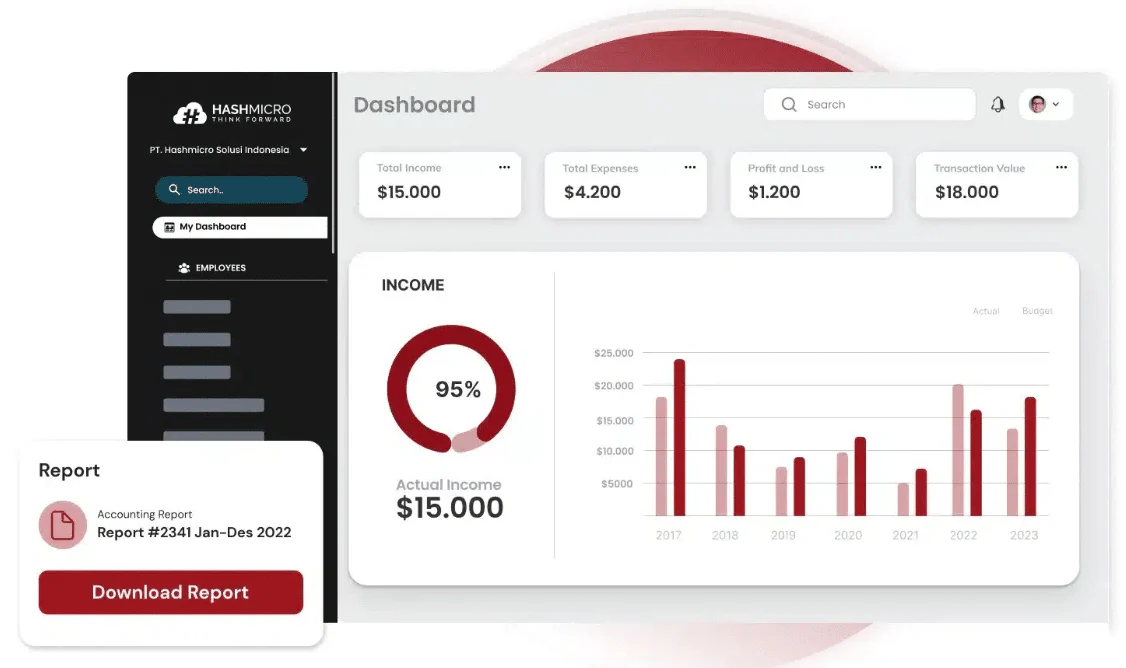
HashMicro as the best Accounting Software is an excellent example of an accounting tool that integrates audit trail functionality. With HashMicro, businesses can automatically record every transaction, change, or entry in their financial system, helping to ensure transparency and compliance with Singapore’s Goods and Services Tax (GST) requirements.
The system logs key details such as the user performing the action, the time of action, and the specific changes made, providing an invaluable tool for internal audits and financial reporting.
Additionally, HashMicro offers features like real-time updates and secure data storage, ensuring that all audit logs are easily accessible when needed, whether for internal reviews or regulatory audits. The system also integrates seamlessly with other business functions such as inventory management, payroll, and CRM, ensuring that every aspect of a business’s operations is tracked and compliant.
3. Enterprise Resource Planning (ERP) Systems
For larger businesses or those that require more comprehensive oversight across multiple departments, Enterprise Resource Planning (ERP) systems offer a centralized solution for audit trail management.
ERP systems integrate various business processes—such as sales, procurement, inventory, and finance—into a single platform. With ERP software, businesses can track all activities across different systems, ensuring that every transaction, from procurement to production to distribution, is captured and recorded in an audit trail.
ERP systems like HashMicro’s ERP Software provide detailed tracking of user actions across all departments, including financial transactions, employee activities, and data changes. With this centralized approach, businesses can efficiently monitor, control, and audit operations across various areas, improving internal controls and enhancing operational efficiency.
Furthermore, ERP systems help businesses streamline their audit trail management by automatically generating reports and ensuring compliance with local regulations like GST and corporate tax laws.
4. Security Information and Event Management (SIEM) Systems
For businesses looking to enhance their cybersecurity, Security Information and Event Management (SIEM) systems offer advanced tools for tracking and managing security-related activities.
SIEM systems collect data from various network devices and applications to monitor, analyze, and respond to security incidents in real time. By integrating SIEM with audit trails, businesses can gain a comprehensive view of system access, data changes, and potential security breaches.
SIEM systems allow businesses to quickly identify anomalies or unauthorized access, helping to protect sensitive information and meet data protection regulations. In sectors like finance, healthcare, and IT, where data security is critical, SIEM systems are invaluable for proactively managing and securing audit trails.
5. Cloud-Based Audit Trail Solutions
Cloud-based audit trail solutions provide flexibility and scalability, making them an excellent choice for businesses of all sizes. With cloud-based solutions, businesses can store and access audit trail data remotely, ensuring that records are always available and secure.
Cloud services also offer automatic backups, reducing the risk of data loss. Moreover, many cloud-based solutions come with advanced features such as data encryption and access control to protect sensitive information.
For businesses in Singapore that require a flexible and cost-effective solution for managing audit trails, cloud-based tools offer a significant advantage. These solutions enable companies to scale their audit trail management systems easily and ensure that all records are safely stored in compliance with local data protection laws.

Conclusion
In today’s business landscape, managing audit trails is essential for ensuring security, compliance, and operational transparency. With the increasing need to safeguard sensitive data and adhere to regulatory standards, businesses in Singapore must leverage the right tools and technologies.
Implementing a reliable audit trail system allows companies to track every action within their systems, prevent fraud, ensure compliance with regulations like the Personal Data Protection Act (PDPA), and streamline audits.
HashMicro’s Accounting Software offers a robust solution for businesses seeking to enhance their audit trail management. By integrating real-time data collection, automated logging, and secure storage, HashMicro ensures that every transaction and change is accurately recorded, simplifying internal audits and ensuring compliance with the Goods and Services Tax (GST) regulations.
For businesses looking to get started with audit trail management, HashMicro offers a free demo trial, allowing you to explore how its software can enhance your operations, reduce risks, and improve compliance. Take the next step toward strengthening your business’s security and operational efficiency with HashMicro’s Accounting Software today.