








Cloud migrations look simple in boardroom slides. A few diagrams. Some arrows. Maybe a promise about “streamlined workflows” tossed into the conversation for good measure. Then reality lands. Suddenly, teams are chasing missing data, old processes stop making sense, and someone in finance is still exporting spreadsheets from a desktop tool built during the Kevin Rudd era.
It happens more often than most businesses admit.
Moving to a cloud-based enterprise system is less about technology and more about preparation. The software matters, sure. But messy operations don’t magically become efficient because they now live online. A cloud platform simply exposes what’s already broken. Fast.
Legacy Processes Need a Hard Reality Check
One of the biggest mistakes businesses make before migration is assuming every existing workflow deserves to survive the transition. It doesn’t.
Old systems tend to accumulate strange habits over time. Manual approvals. Duplicate reporting. Random spreadsheets tucked inside shared drives with names like “FINAL_v2_REAL.xlsx”. Nobody questions them because everyone’s used to them. Comfortable, even.
That’s where problems start.
The last time a manufacturing firm in Melbourne shifted to a modern ERP environment, the migration stalled because teams tried to replicate fifteen years of outdated procurement rules inside the new system. The software wasn’t the issue. The process was. Half those approval layers existed because of staff who’d left the company years earlier.
Cloud migration works best when businesses simplify before they digitise. Clean up reporting structures. Remove duplicated tasks. Challenge unnecessary approvals. It’s boring work, honestly. But it saves months of headaches later.
Data Quality Can’t Be an Afterthought
Here’s the uncomfortable truth. Most businesses overestimate the quality of their own data.
Customer records get duplicated. Inventory numbers drift out of sync. Supplier databases become graveyards of outdated contacts and inactive accounts. Then migration day arrives and suddenly everyone acts surprised.
A cloud system only performs as well as the information inside it.
One retail operator preparing for ERP implementation discovered three separate product naming conventions across departments. Same item. Different labels. Different pricing formats too. Chaos. The migration team spent weeks untangling data that should’ve been cleaned long before implementation began.
This matters even more for businesses integrating external platforms. A business working with a digital marketing agency Brisbane team saw the importance of careful planning when migrating CRM and sales operations simultaneously. By aligning customer segmentation rules across systems from the outset, they were able to maintain consistent reporting and support smoother business operations.
Not glamorous. Still critical.
Staff Resistance Is Usually Underestimated
People rarely resist technology itself. They resist confusion.
When businesses rush migration timelines without preparing staff properly, frustration spreads quickly. Teams feel blindsided. Productivity dips. Someone inevitably mutters, “The old system worked better,” even when it absolutely didn’t.
Training shouldn’t start the week before launch. It should begin during planning.
The strongest migrations involve staff early. Department managers need visibility into how workflows will change. Warehouse teams should understand how inventory handling improves. Finance teams need confidence in reporting structures before go-live day arrives.
And honestly? Businesses should expect some friction. That’s normal.
One operations manager once joked that enterprise migration turns every employee into an accidental software critic overnight. Fair call. Everyone suddenly has opinions.
Still, involving staff early changes the tone completely. People support systems they helped shape.
Infrastructure Still Matters More Than People Think
Cloud software doesn’t remove the need for reliable infrastructure. It increases the need for it.
Slow internet connections. Weak internal networks. Patchy remote access. These issues become painfully obvious once cloud systems handle daily operations.
A logistics company rolling out cloud inventory tools across regional warehouses learned this during peak dispatch season. Their existing network setup simply couldn’t handle real-time syncing between locations. Delays stacked up quickly. Drivers waited longer. Warehouse scanning slowed down. Stress levels climbed.
Solid business wi-fi solutions became part of the fix, especially in high-traffic operational environments where multiple devices constantly accessed cloud platforms simultaneously.
It sounds basic, but businesses often focus so heavily on software selection that they forget the underlying environment supporting it.
Cloud systems rely on consistency. Not luck.
Migration Goals Need to Be Specific
“Improve efficiency” isn’t a strategy. It’s filler.
Businesses preparing for migration need measurable operational goals before implementation begins. Faster reporting. Reduced manual entry. Better inventory visibility. Shorter payroll processing times. Something tangible.
Otherwise, it becomes impossible to judge success properly.
A construction business once spent nearly seven figures on enterprise migration without defining operational benchmarks upfront. Six months later, leadership couldn’t clearly explain whether the project delivered meaningful improvements. Teams liked the dashboards, apparently. That was about it.
Clear objectives sharpen decision-making throughout implementation. They also stop unnecessary feature creep, which quietly destroys migration budgets more often than software vendors admit.
Not every business needs every module. Sometimes restraint is the smarter move.
Vendor Alignment Shapes Long-Term Results
This part gets overlooked constantly.
Businesses often evaluate software based on features alone, while ignoring implementation support, scalability, and local operational understanding. Then problems emerge halfway through rollout and suddenly communication gaps become expensive.
Enterprise migration isn’t a one-week transaction. It’s an operational partnership.
Australian businesses, especially those managing multiple sites or complex compliance requirements, benefit from vendors who understand local workflows, tax obligations, and reporting expectations. Generic support models can become painfully slow once issues hit live operations.
The strongest implementations usually involve staged planning, realistic rollout timelines, and practical consultation rather than overpromising flashy automation from day one.
Because honestly, no ERP system fixes poor planning. Not even the expensive ones.
And despite what some sales demos suggest, there’s no magical “easy button” waiting at the end of migration either. Just better systems. Better visibility. Better operational control.
If the groundwork’s done properly first.
Conclusion
Cloud migration is not just a software upgrade, but a business reset that requires cleaner workflows, reliable data, prepared staff, strong infrastructure, clear goals, and the right vendor support. Without that groundwork, even the most advanced cloud-based enterprise system can end up carrying the same operational problems into a newer platform.
The businesses that get migration right treat preparation as part of the implementation, not something to fix after launch. When the foundation is clear, cloud systems can deliver better visibility, faster coordination, stronger reporting, and greater operational control.
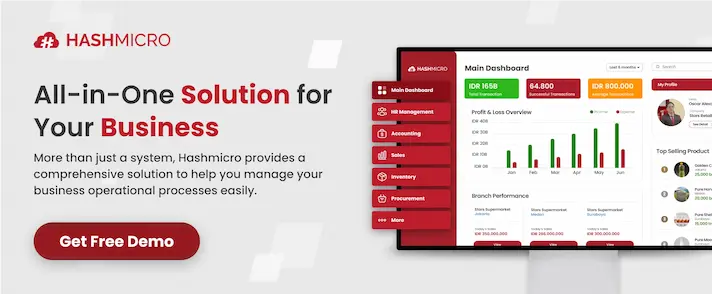
For businesses still unsure where to begin, a guided system review can make the next step clearer. HashMicro offers a free demo service to help companies understand how a cloud-based enterprise system can fit their workflows, operational goals, and long-term growth plans before making a major commitment.