









 Limited to 100 registrants

Omnichannel retail is a retail strategy that connects online stores, physical shops, mobile apps, and social channels into one unified shopping experience. It helps businesses synchronize customer data, inventory, and transactions in real time to improve convenience and customer engagement.
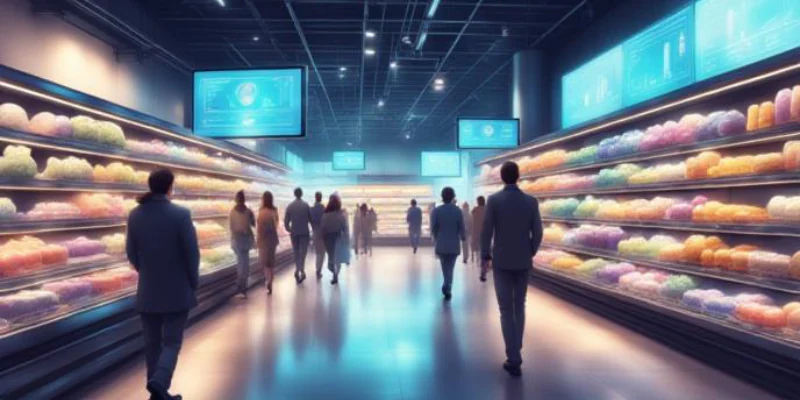
Retail has changed a lot over the past decade, driven by technology and shifting customer expectations. Shopping is no longer limited to one channel like a physical store or website.
Today, customers move between online stores, mobile apps, social media, and in-store shopping. They expect all these experiences to feel connected and consistent.
To keep up, businesses are adopting a more connected approach that links all channels together. This creates a smoother customer journey from discovery to purchase and beyond.
Key Takeaways
Understand the core definition and fundamental concepts of unified retail.
Discover the underlying mechanisms and technologies that drive seamless shopping.
Compare the different approaches to retail channel management.
Learn why adapting to connected retail environments is crucial for survival.
What Is Omnichannel Retail?

Omnichannel retail is a customer-centric strategy that lets shoppers start a transaction on one platform and complete it on another, without losing any progress. It brings together physical stores, websites, mobile apps, social media, and more into one unified system.
Instead of separate channels, it focuses on the customer journey. Shoppers can move easily between platforms, such as discovering a product online, adding it to a cart, and buying it in-store without disruption.
It also relies on connected backend systems like inventory and customer data. This ensures real-time accuracy, smoother operations, and a consistent experience across all touchpoints.
How Omnichannel Retail Works
Omnichannel retail works through connected systems that unify data across all channels. A central platform like an ERP keeps inventory, pricing, and customer information consistent in real time. For example, ERP systems manage inventory across multiple locations and channels with real-time stock synchronization, a single source of truth for pricing, and fulfillment routing.
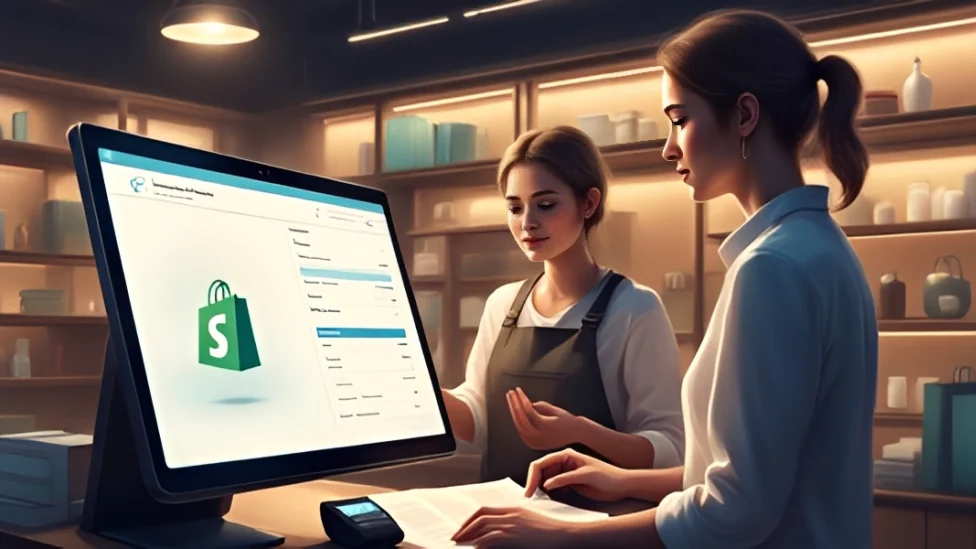
Modern integrated retail transactions solutions link in-store and online activity, allowing staff to access customer history and provide more personalised service, including handling cross-channel returns.
Inventory and order systems support services like click-and-collect and ship-from-store, while CRM tools use customer data to deliver personalised marketing and real-time offers.
"Omnichannel retail is essential for modern businesses because it connects all sales channels into one seamless customer experience, improving convenience, efficiency, and long-term growth."
Omnichannel vs Multichannel vs Single-Channel Retail
Retail has evolved from single-channel models to integrated omnichannel systems, with key differences in how channels are managed and how customers experience a brand.
1. Omnichannel vs multichannel
Multichannel retail uses multiple channels like stores and websites, but each operates separately with its own systems and data, often creating disconnected customer experiences. For example, you may not be able to return an online purchase at a physical store.
Omnichannel retail integrates all sales channels into one connected system. This allows customers to move smoothly between online and offline touchpoints with consistent pricing, branding, and inventory, while enabling services like Buy Online, Pick Up In-Store (BOPIS).
2. Omnichannel vs single-channel
Single-channel retail relies on one main sales method, such as a physical store or an online shop, which limits reach and flexibility.
Omnichannel retail connects multiple channels into one experience, giving customers more convenience while increasing business reach and resilience.
It utilizes many systems to integrate business processes, such as an omnichannel sales software for retail that streamlines sales while also providing necessary data for other related business departments.
Why Omnichannel Retail Is Important
Omnichannel retail is important because customers now shop across multiple channels like online, mobile, and in-store. If businesses can’t support this, they risk losing customers to competitors.
Omnichannel strategy also improves customer loyalty by making shopping easier and more consistent, such as through online purchases with in-store returns or real-time stock checks. As a result, customers tend to spend more and return more frequently than those who shop through a single touchpoint, making omnichannel a direct driver of revenue growth.
For businesses, it provides better data and efficiency by connecting all channels, helping improve decisions, marketing, and overall sales performance.
Benefits of Omnichannel Retail
Omnichannel retail delivers significant advantages for Australian retailers, especially as consumer shopping habits continue to evolve. According to the Australian Marketing Institute, 70% of Australian consumers now use Click & Collect when shopping online, highlighting the growing demand for seamless experiences across digital and physical channels.
1. Improved customer experience
Omnichannel retail improves customer experience by removing friction across channels, giving shoppers consistent pricing, easy returns, and a smooth journey between online and in-store, while also increasing loyalty through more personalised and convenient service.
2. Better inventory visibility
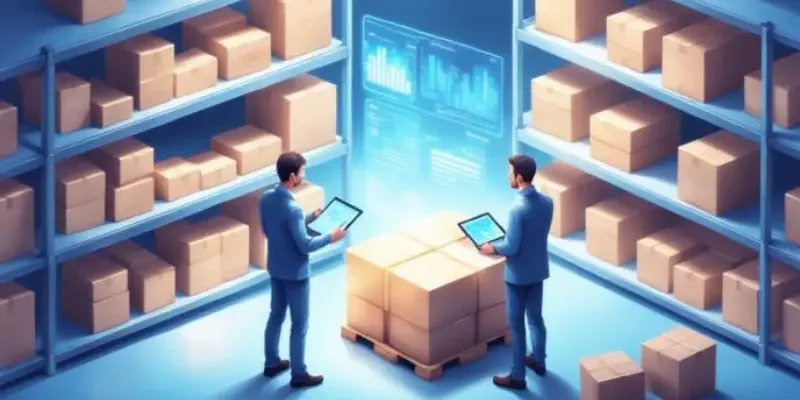
Omnichannel retail provides real-time visibility of stock across all locations, helping businesses avoid overstocking and stockouts, while enabling smarter fulfilment like shipping from the nearest store or using an “endless aisle” to improve efficiency.
3. Meet customers across multiple channels
Retailers can reach customers across social media, websites, apps, and physical stores, increasing brand visibility and allowing customers to buy instantly wherever they discover a product.
4. Personalized customer experiences using data
Omnichannel retail uses data from all touchpoints to understand customer behaviour and preferences, enabling personalised recommendations, offers, and experiences that increase engagement and conversions.
Examples of Omnichannel Retail
These services often depend on retail business automation to coordinate inventory, orders, payments, and fulfilment across every customer touchpoint.
- Click-and-collect: Customers order products online and pick them up later at a nearby store or have items delivered if they’re out of stock, often on the same day.
- Endless aisle: Store staff or in-store kiosks help customers purchase unavailable sizes or colors, which are then delivered directly to their homes.
- Unified returns and carts: Customers can access the same shopping cart across devices and return products in-store even if they were originally purchased through online, social media, or social commerce channels.
Omnichannel Retail Trends and the Future of Retail
Omnichannel retail is evolving quickly as technology continues to change how people shop. The future of retail is becoming more interactive, data-driven, and connected across digital and physical channels.
1. Shopatainment and interactive shopping
Shopatainment combines shopping with entertainment, such as live streams, influencer content, and interactive product demos. It helps brands engage customers in more fun and engaging ways while driving sales.
2. AI-Driven customer experiences
AI is being used to personalise shopping experiences, recommend products, and improve customer support. It helps retailers understand customer behaviour and deliver more relevant and timely interactions.
3. Emerging digital retail channels
New channels like social commerce, live shopping, and AR/VR experiences are changing how customers discover and buy products. These platforms make shopping more immersive and accessible across different devices.
Best Omnichannel Strategies for Retail
Successful omnichannel retail depends on using the right mix of channels, technology, and customer insights. These strategies help businesses create a seamless and consistent shopping experience across all touchpoints.
1. Choose the right channels
Focus on the channels your customers use most, such as websites, apps, social media, and physical stores. This ensures your efforts are targeted and effective.
2. Integrate data and technology
Connect all systems like inventory, CRM, and a connected retail checkout system to ensure data flows smoothly across channels. This helps maintain consistency and improve efficiency.
3. Personalization and customer insights
Use customer data to understand behaviour and preferences. This allows businesses to deliver more relevant recommendations, offers, and experiences.
How to Build an Omnichannel Retail Strategy
Building an omnichannel strategy involves understanding your customers, connecting all channels, and using technology to create a smooth and consistent shopping experience.
1. Map the entire customer journey
Identify every step customers take from discovery to purchase and after-sales support. This helps you understand where improvements are needed.
2. Research customer preferences
Study how your customers prefer to shop, whether online, in-store, or through mobile apps. This ensures your strategy matches real behaviour.
3. Make every touchpoint shoppable
Allow customers to browse and buy from any channel, including social media, websites, and physical stores. This increases convenience and sales opportunities.
4. Bridge online and offline experiences
Connect digital and physical channels so customers can move smoothly between them, such as buying online and picking up in-store.
5. Use automation and system integrations
Integrate systems like inventory, POS, and CRM to automate processes and keep data consistent across all channels.
Overcoming Key Omnichannel Retail Challenges
While omnichannel retail offers many benefits, businesses often face challenges in implementation, especially around systems, data, and operations. Addressing these is key to success.
1. Technology integration
Connecting different systems like e-commerce platforms and modern checkout technologies can be complex, but integration is essential for a smooth omnichannel experience.
2. Data management and privacy concerns
Handling large amounts of customer data requires strong security and compliance measures to protect privacy and build trust.
3. Inventory synchronization
Keeping inventory accurate across all channels in real time is challenging but necessary to avoid stock issues and improve fulfilment.
4. Staff training and adoption
Employees need proper training to use new systems effectively, ensuring consistent service across all customer touchpoints.
Conclusion
Omnichannel retail connects online and offline channels to create a smooth and consistent shopping experience for customers across all touchpoints.
It helps businesses improve customer experience, manage inventory more efficiently, and use customer data to make better decisions. This leads to stronger engagement and more effective operations.
As retail continues to evolve, businesses that adopt omnichannel strategies will be better prepared to meet customer expectations, stay competitive, and grow in a fast-changing market.
Get free consultation with us today to understand how to implement the right omnichannel strategy for your business.
Frequently Asked Question
Omnichannel retail is a strategy that connects all sales channels, such as online stores, mobile apps, and physical shops, to create a seamless customer experience.
Multichannel retail uses separate channels that do not fully connect, while omnichannel retail integrates all channels so customers can move smoothly between online and offline shopping.
It is important because customers expect a consistent and flexible shopping experience across all platforms, which improves satisfaction and loyalty.
Examples include buying online and picking up in-store, checking stock via an app, and returning online purchases in physical stores.
It improves customer experience, increases sales opportunities, provides better inventory control, and helps businesses make data-driven decisions.