Managing assets across multiple sites is hard when records live in spreadsheets, emails, and separate systems. Teams can lose track of asset location, condition, service history, and ownership, which slows daily work and reporting.
This is where asset management software helps. It brings asset data into one system, so operations, maintenance, and finance teams can work from the same information and make decisions faster.
A good platform does more than list assets. It can support depreciation tracking, maintenance scheduling, and real-time location updates, helping businesses improve asset performance and reduce unplanned downtime.
Key Takeaways
|
Our Top Picks at a Glance (Shortlist)
Time is a critical resource for Australian operations managers. We have curated a shortlist of the top performers based on scalability, local support, and feature depth.

Best Because
MaintainX helps frontline teams manage work orders faster with a mobile-first maintenance platform.
Best Because
IBM Maximo supports complex asset operations with advanced IoT and predictive maintenance capabilities.

Best Because
SafetyCulture helps teams improve compliance and safety with checklist-based asset inspections.
Best Because
Asset Panda offers flexible no-code asset tracking with custom workflows for different asset types.
What is Asset Management Software and Which Type Do You Need?
Asset management software is a system used to track and manage business assets throughout their lifecycle, from purchase to disposal. It stores important data in one place, such as asset location, condition, value, maintenance history, and ownership, so teams can work with accurate records.
For businesses with multiple branches, warehouses, or project sites, asset management software Australia helps reduce data gaps between operations, maintenance, and finance teams. If your company needs deeper tracking across purchase, usage, servicing, and retirement, asset lifecycle management software is often the better fit than basic tracking tools.
Why it matters:
- Keeps asset records in one system instead of spreadsheets and emails
- Improves visibility across locations and departments
- Helps reduce lost assets, duplicate purchases, and missed maintenance
- Supports faster reporting, audits, and operational decisions while improving equipment lifecycle control across departments.
- Makes it easier to choose the best asset management software based on your needs
Main types of asset management software
- Enterprise Asset Management (EAM): Used for managing high-value operational assets with maintenance, work orders, and reliability tracking.
- IT Asset Management (ITAM): Used for tracking and controlling IT devices and software, including lifecycle, licenses, and compliance.
- Fixed Asset Accounting Software: Used for managing asset depreciation, disposal, and financial reporting for accounting and tax purposes.
Key Features to Look for in Asset Management Software
For Australian businesses, basic asset tracking is no longer enough. The right system should support maintenance, finance, compliance, and cross-team visibility in one platform.
- Automated asset discovery and tracking: The software should automatically detect IT assets or support barcode, QR, RFID, and IoT tracking for physical assets, so teams can see asset locations and statuses in real time.
- Preventive/predictive maintenance and work orders: Choose a system that creates work orders based on time, usage, or condition data to support a continuous condition monitoring strategy and reduce unexpected asset failures.
- Depreciation and financial lifecycle management: The platform should accurately handle depreciation methods, revaluations, transfers, and disposals to support reporting and reduce manual spreadsheet work.
- Vendor, warranty, and contract management: A good system stores warranty terms, service contracts, and SLA deadlines in one place, with alerts for expiries, renewals, and missed service targets.
- Integration with ERP, accounting, and inventory systems: The software should connect with finance, procurement, and inventory systems to ensure asset data remains consistent across departments.
- Role-based access and audit trail: Look for role permissions and activity logs to control who can edit records and to track every asset change for accountability and audits.
- Asset lifecycle and disposal tracking: The software should track the full lifecycle, from purchase and assignment to retirement and disposal, so records stay accurate for operations and finance.
12 Best Asset Management Software in Australia
We have analyzed the leading platforms available to Australian businesses, focusing on their utility, interface, and ability to handle local requirements.
1. MaintainX
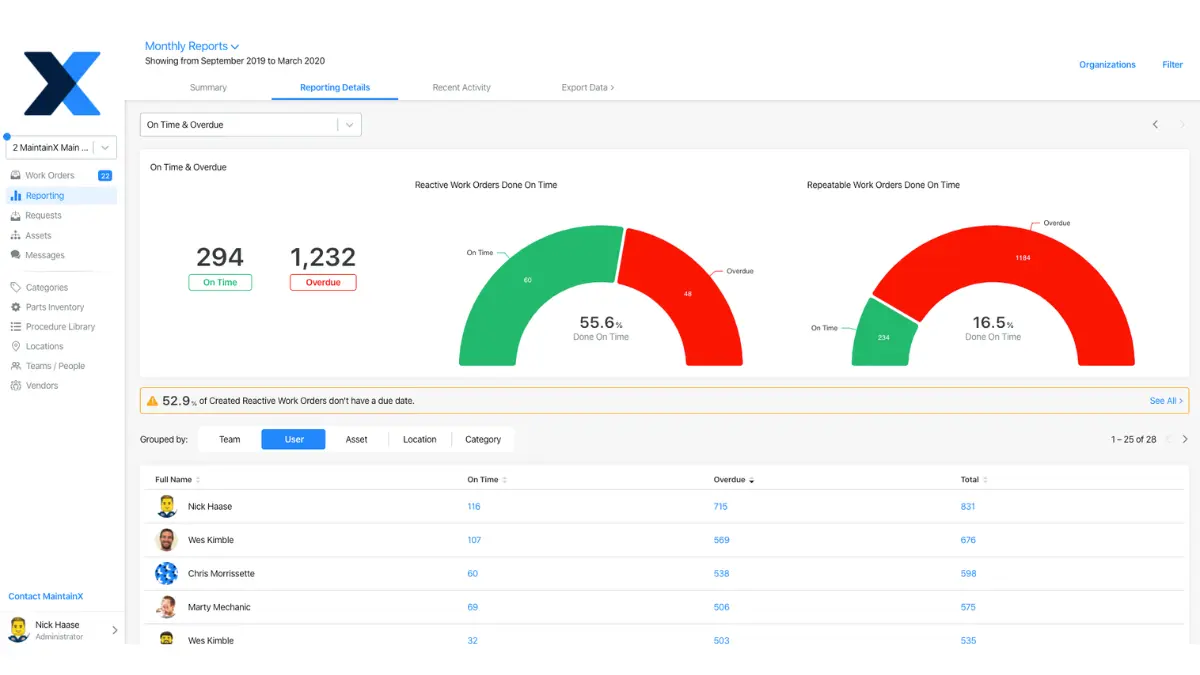
MaintainX is a mobile-first digitization platform designed to replace paper work orders and clipboards with a streamlined app. It excels in connecting the shop floor to the top floor, ensuring that maintenance technicians have immediate access to asset history and procedures.
For Australian manufacturing and logistics companies, MaintainX offers a user-friendly interface that requires minimal training. Its strength lies in its communication features, allowing teams to chat and share photos of asset issues in real-time within the context of a work order.
Key Features
- Digital Work Orders: Create, assign, and track maintenance tasks with unlimited photos and procedure checklists.
- Parts Inventory: Track spare parts consumption directly associated with specific asset repairs to monitor costs.
- Reporting Dashboards: Visualize mean time to repair (MTTR) and other critical KPIs to identify bottlenecks.
| Pros | Cons |
| ✓ Exceptionally intuitive mobile interface. ✓ Built-in chat functionality improves collaboration. ✓ Free tier available for small teams. |
× Reporting can be limited in lower tiers. × Less focus on financial depreciation. × Inventory features are basic compared to ERPs. |
Pricing
MaintainX operates on a freemium model. Paid plans start at AUD $25 per user/month for the Essential plan, with Enterprise features available at higher prices.
2. SafetyCulture (formerly iAuditor)
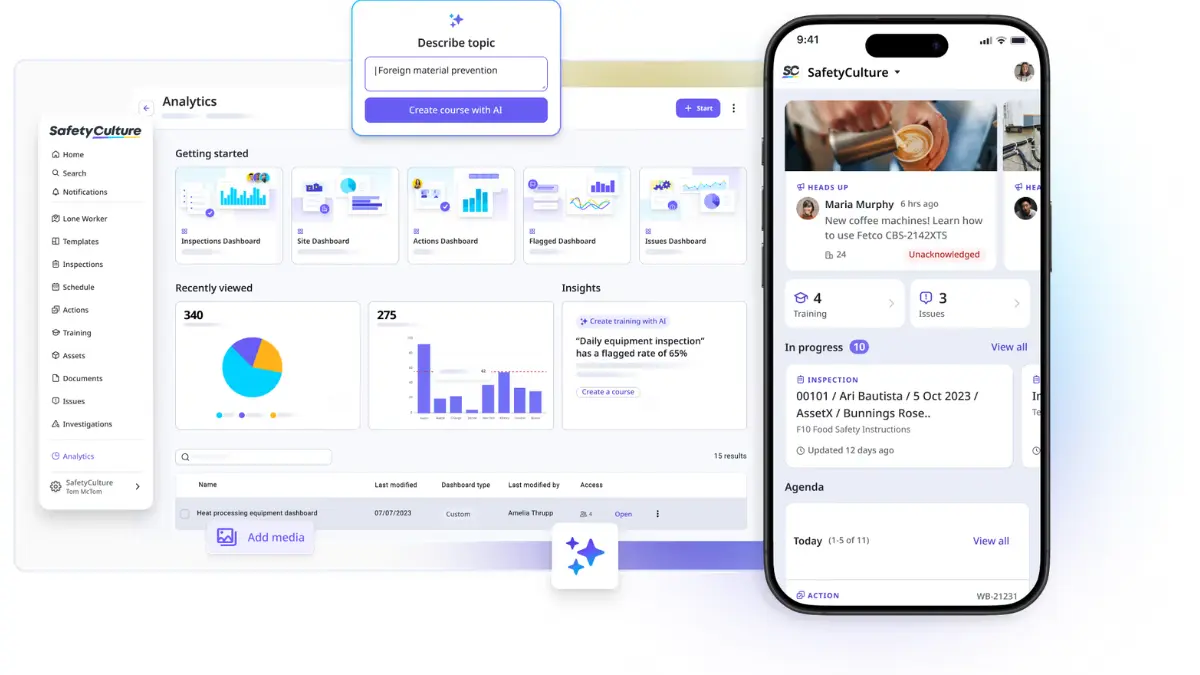
SafetyCulture is an Australian-born unicorn that has revolutionized inspection-driven asset management. While primarily known for safety checklists, its asset management capabilities allow organizations to build a comprehensive history of inspections against every piece of equipment.
This platform is particularly strong for industries with strict regulatory requirements, such as construction and food processing. It ensures that every asset is not only tracked but also safe to operate and compliant with Australian Standards.
Key Features
- Customizable Inspections: Drag-and-drop builder to create specific asset inspection forms compliant with local regulations.
- Sensors and Telemetry: Integration with IoT sensors to monitor temperature, humidity, and location in real-time.
- Issue Resolution: collaborative actions that allow users to report a defect on an asset and track it to closure.
| Pros | Cons |
| ✓ Best-in-class inspection interface. ✓ Strong local Australian support. ✓ Easy integration with IoT hardware. |
× Primarily inspection-focused, not a full EAM. × Limited financial asset lifecycle tools. × Can get expensive for large user bases. |
Pricing
Offers a free tier for small teams. Premium plans start at approximately AUD $29 per user/month, billed annually.
3. IBM Maximo
IBM Maximo is widely regarded as the gold standard for Enterprise Asset Management (EAM) in heavy industries. It utilizes the IBM Watson AI engine to provide cognitive insights, predicting asset failure by analyzing massive datasets from IoT devices.
For large Australian mining conglomerates and utility providers, Maximo offers unparalleled depth. It combines asset maintenance, supply chain management, and health and safety in a single, albeit complex, platform.
Key Features
- Predictive Maintenance: Uses AI to analyze vibration, temperature, and usage data to predict failures weeks in advance.
- Asset Health Scoring: Aggregates data to provide a single health score for assets, aiding in replacement planning.
- Visual Inspection: Integrates with computer vision to identify defects in equipment automatically.
| Pros | Cons |
| ✓ Unmatched scalability for global enterprises. ✓ Powerful AI and IoT integration capabilities. ✓ Deep industry-specific configurations. |
× Extremely high implementation cost. × Steep learning curve for average users. × Requires dedicated administrators. |
Pricing
Pricing is quote-based and typically involves significant licensing fees and implementation costs, often exceeding AUD $100,000 for enterprise deployments.
4. Asset Panda
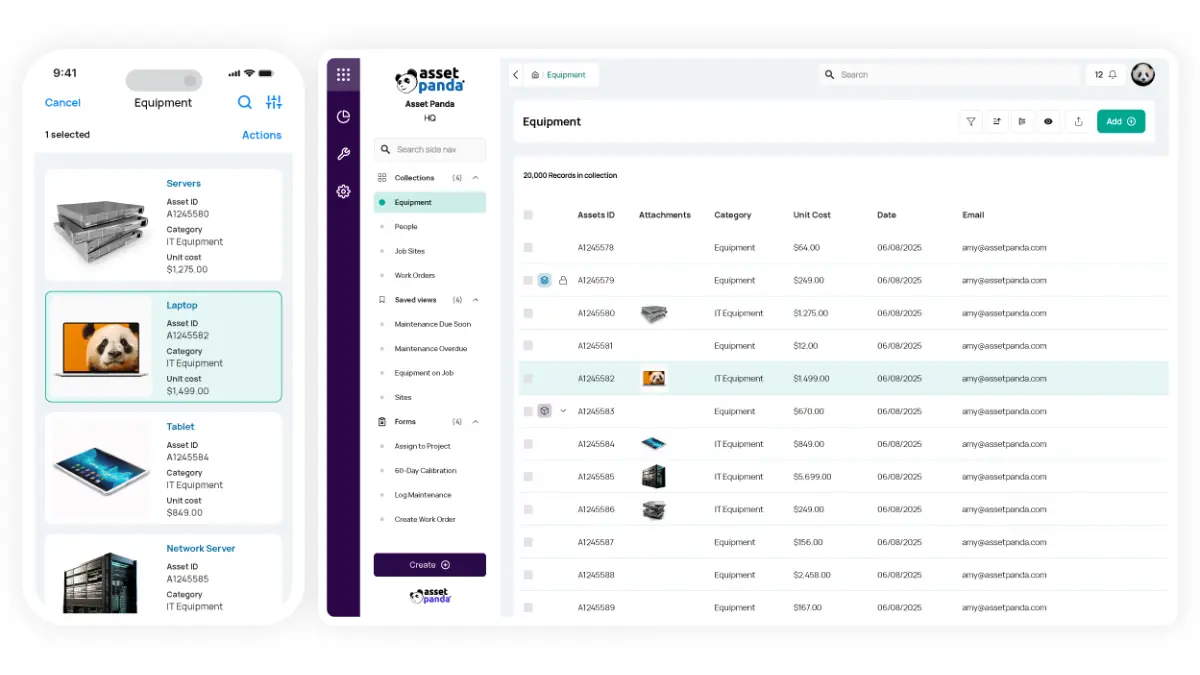
Asset Panda allows for extreme configurability, marketing itself as a “no-code” platform where you can design your own asset tracking workflows. It is particularly popular among mid-sized Australian businesses that need to track IT equipment, tools, and furniture.
The platform’s strength is its flexibility; it adapts to your naming conventions and processes rather than forcing you to adapt to the software. The mobile app includes a built-in barcode scanner, making audits fast and efficient.
Key Features
- Custom Fields and Forms: Create unlimited custom fields to track specific data points relevant to your industry.
- Role-Based Access: Granular control over who can see and edit specific asset categories or locations.
- Audit Trails: Detailed history logs of every change made to an asset record for accountability.
| Pros | Cons |
| ✓ Highly customizable without coding. ✓ Unlimited users on most plans. ✓ Excellent mobile app scanning features. |
× Interface can feel cluttered if over-customized. × Support response times vary. × Reporting can be complex to set up. |
Pricing
Asset Panda uses a quote-based model primarily based on the number of assets tracked, not the number of users.
5. HashMicro
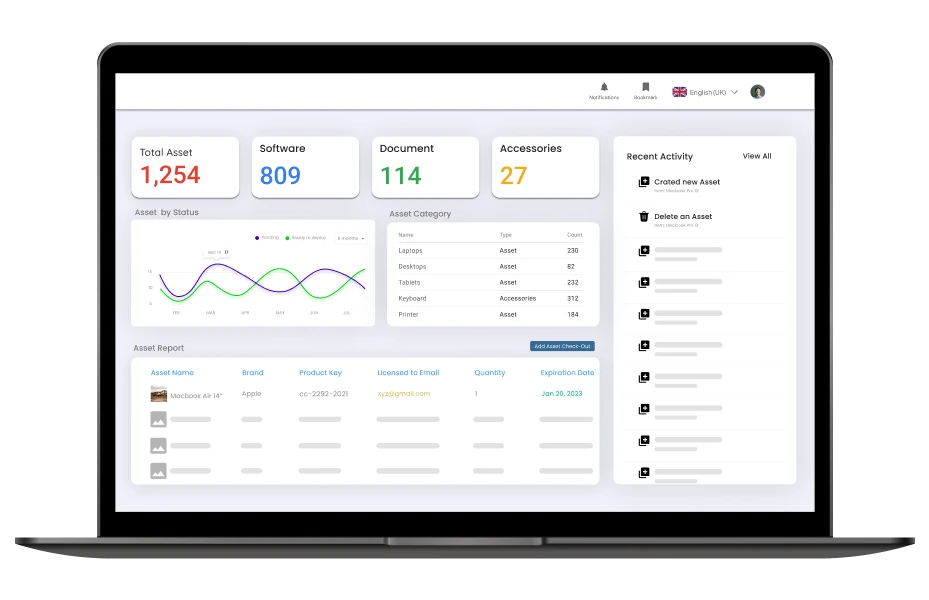
HashMicro offers a comprehensive, AI-integrated Asset Management solution that stands out for its seamless integration with a broader ERP suite. Designed for the APAC market, it addresses the specific needs of Australian businesses regarding tax compliance, depreciation calculation, and maintenance scheduling.
Unlike standalone tools, HashMicro connects asset data directly with finance, procurement, and HR modules. This holistic approach ensures that when an asset is purchased, it is automatically capitalized, and when maintenance is performed, the costs are immediately reflected in financial reports.
Key Features
- Automated Depreciation Calculation: automatically calculates asset value reduction using various methods compliant with ATO standards, eliminating manual spreadsheet errors.
- Asset Maintenance Management: Schedules routine maintenance based on time or usage, automatically assigning work orders to technicians and tracking completion.
- Barcode and QR Code Tracking: Generates and scans unique codes for instant asset identification, location updates, and audit reconciliation via mobile devices.
- Asset Leasing Management: Tracks leased assets, contract expirations, and payment schedules to prevent penalties and manage renewals effectively.
| Pros | Cons |
| ✓ Seamless integration with Finance and Procurement. ✓ Highly competitive pricing for the feature set. ✓ User-friendly interface designed for non-technical staff. ✓ Robust reporting for Australian tax compliance. |
× May be overkill for micro-businesses with few assets. × Full potential is realized only when using the ERP suite. |
Pricing
HashMicro offers a competitive pricing model with a focus on affordability for mid-to-large enterprises. Pricing is transparent and typically involves a one-time implementation fee with subscription options.
6. SAP Enterprise Asset Management (EAM)
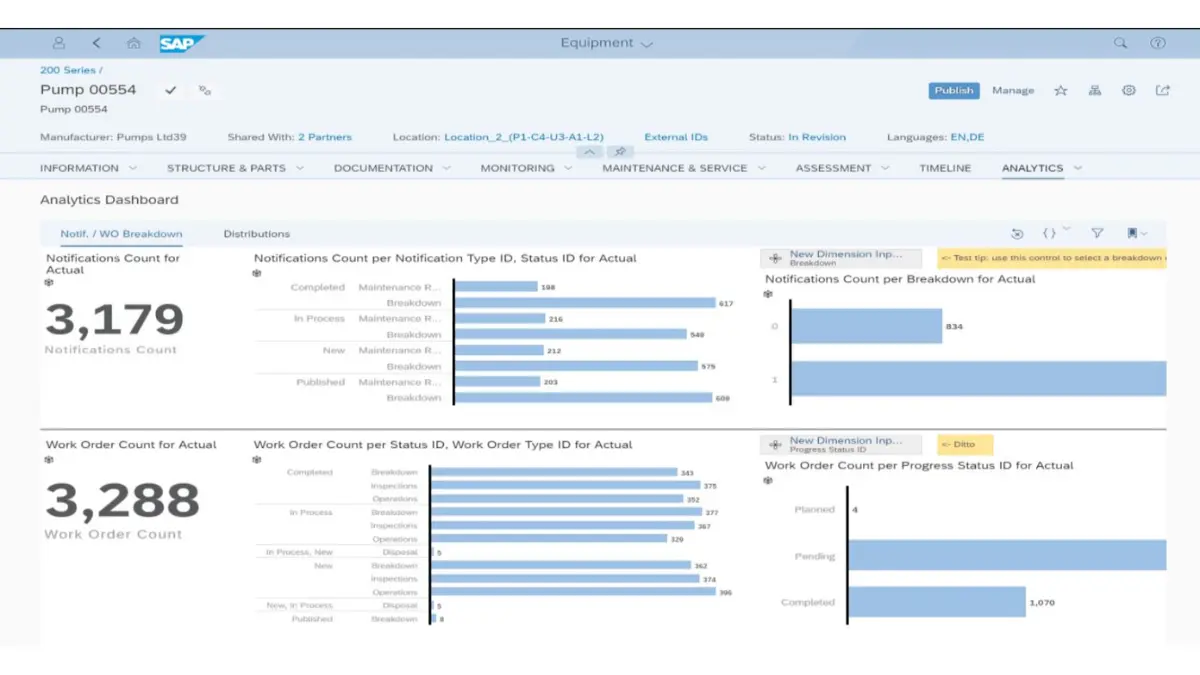
SAP EAM is a powerhouse solution deeply embedded within the SAP ecosystem. For organizations already running SAP S/4HANA, this is the logical choice for asset management, providing a unified view of the entire business operation.
It excels in connecting the “shop floor” to the “top floor,” ensuring that asset performance directly informs financial planning and supply chain decisions. The depth of data integration allows for sophisticated scenario planning and investment analysis.
Key Features
- Asset Network Collaboration: A cloud-based collaborative network that allows owners, manufacturers, and service providers to share asset data.
- Environment, Health, and Safety (EHS): Deep integration with safety protocols to ensure asset operations comply with strict regulations.
- Mobile Asset Management: empowering field workers with mobile tools to execute work orders and update data offline.
| Pros | Cons |
| ✓ Best-in-class integration for SAP users. ✓ Handles extreme complexity and volume. ✓ Global support and massive partner network. |
× Prohibitive cost for SMEs. × Implementation can take months or years. × UI is often considered complex and dated. |
Pricing
Enterprise-grade pricing. Costs are significant and based on modules, users, and deployment metrics.
7. Oracle Enterprise Asset Management
Oracle EAM is a robust contender designed to support asset-intensive industries like utilities, public sector, and manufacturing. It focuses on maximizing return on assets (ROA) by improving utilization and reducing costs through proactive maintenance.
A key advantage of Oracle EAM is its deep integration with Oracle Financials. This allows for precise tracking of maintenance costs against specific budgets, providing CFOs with granular visibility into capital expenditures.
Key Features
- Preventive Maintenance Strategies: Supports complex maintenance hierarchies and strategies based on calendar, usage, or condition.
- Work Request Management: Streamlined portal for employees to report issues, which are then triaged into work orders.
- Inventory Integration: direct link to spare parts inventory to ensure materials are available before maintenance is scheduled.
| Pros | Cons |
| ✓ Strong financial and supply chain integration. ✓ Scalable for multinational operations. ✓ Comprehensive analytics and reporting. |
× Interface can be rigid. × Requires specialized Oracle expertise to manage. × High Total Cost of Ownership (TCO). |
Pricing
Quote-based, typically targeting large enterprises with substantial budgets.
8. Kynection
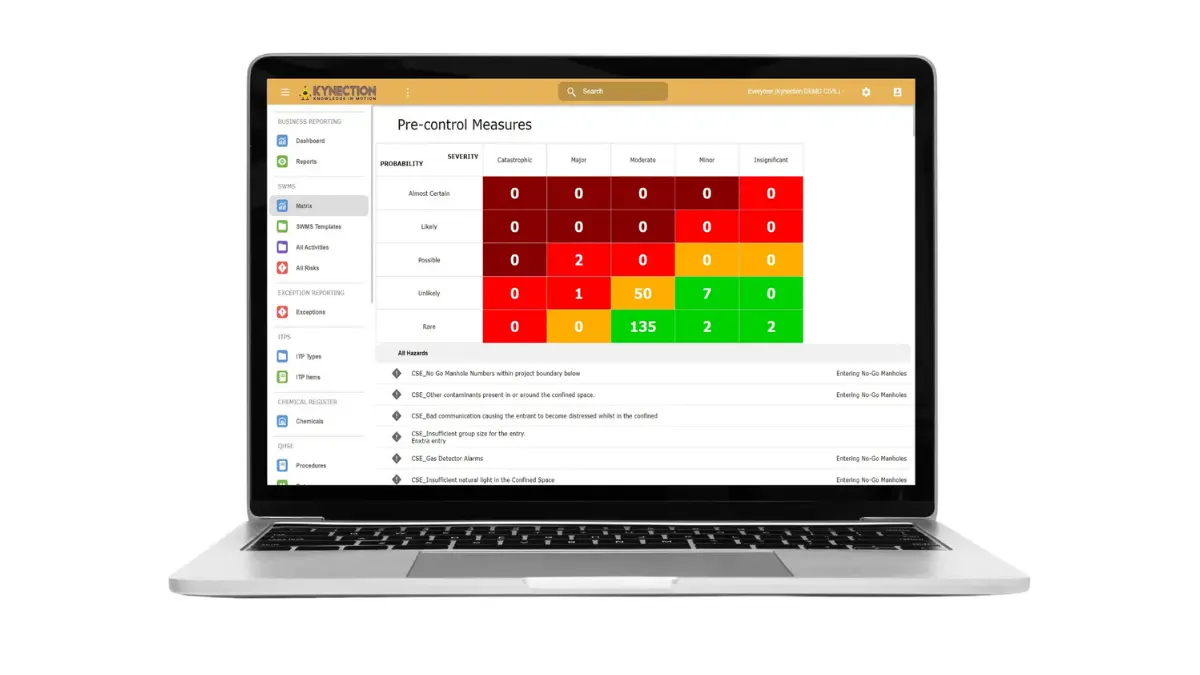
Kynection is a proud Australian provider offering a “One System” approach. It is particularly popular in the transport, civil, and construction sectors, offering modules that range from asset management to chain of responsibility (CoR) compliance.
Being local, Kynection understands the specific challenges of Australian businesses, such as NHVR (National Heavy Vehicle Regulator) compliance. Their asset module is tightly coupled with fleet management and mobile forms.
Key Features
- Fleet and Plant Management: specialized tools for tracking vehicles and heavy machinery, including pre-start checks.
- NHVR Compliance: Features designed specifically to help transport companies meet Australian heavy vehicle regulations.
- Mobile Forms: Digital pre-starts and fault reporting directly from the driver’s phone.
| Pros | Cons |
| ✓ Local Australian support and hosting. ✓ Tailored for transport and civil industries. ✓ All-in-one platform reduces software sprawl. |
× UI can feel utilitarian. × May lack depth for non-transport industries. × Customizations can take time. |
Pricing
Quote-based. Generally accessible for mid-sized Australian businesses.
9. Sage Fixed Assets
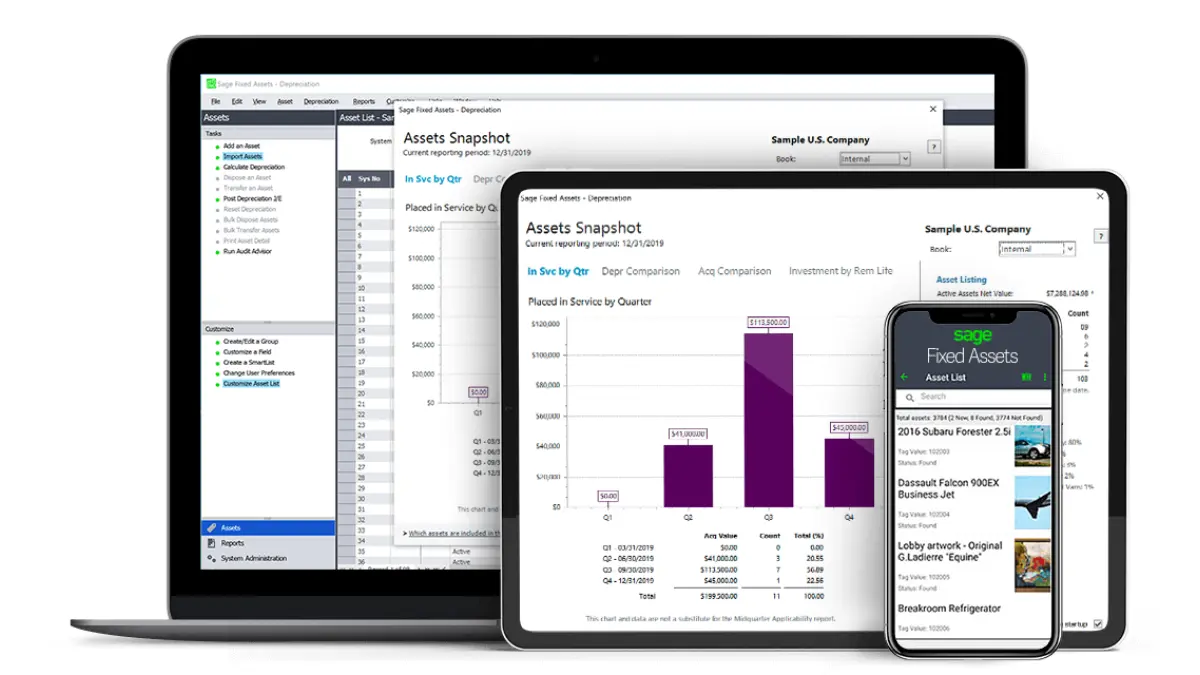
Sage Fixed Assets focuses heavily on the accounting lifecycle of assets. While it includes tracking capabilities, its primary power lies in managing depreciation, tax rules, and fixed asset accounting compliance.
For Australian finance teams, Sage provides peace of mind regarding ATO compliance. It manages the entire lifecycle from acquisition to disposal, ensuring that the balance sheet is always accurate and audit-ready.
Key Features
- Depreciation Automation: Includes over 50 depreciation methods and supports custom schedules.
- Construction in Progress (CIP): Manages complex capital projects and seamlessly converts them to fixed assets upon completion.
- Disposal Management: Calculates gains or losses on asset disposal automatically.
| Pros | Cons |
| ✓ Excellent for finance and accounting teams. ✓ Deep compliance features. ✓ Integrates well with Sage ERP products. |
× Weak on physical maintenance management. × Not designed for operational technicians. × Interface is traditional/desktop focused. |
Pricing
Pricing varies by module (Depreciation, Tracking, Planning) and deployment method.
10. Fiix
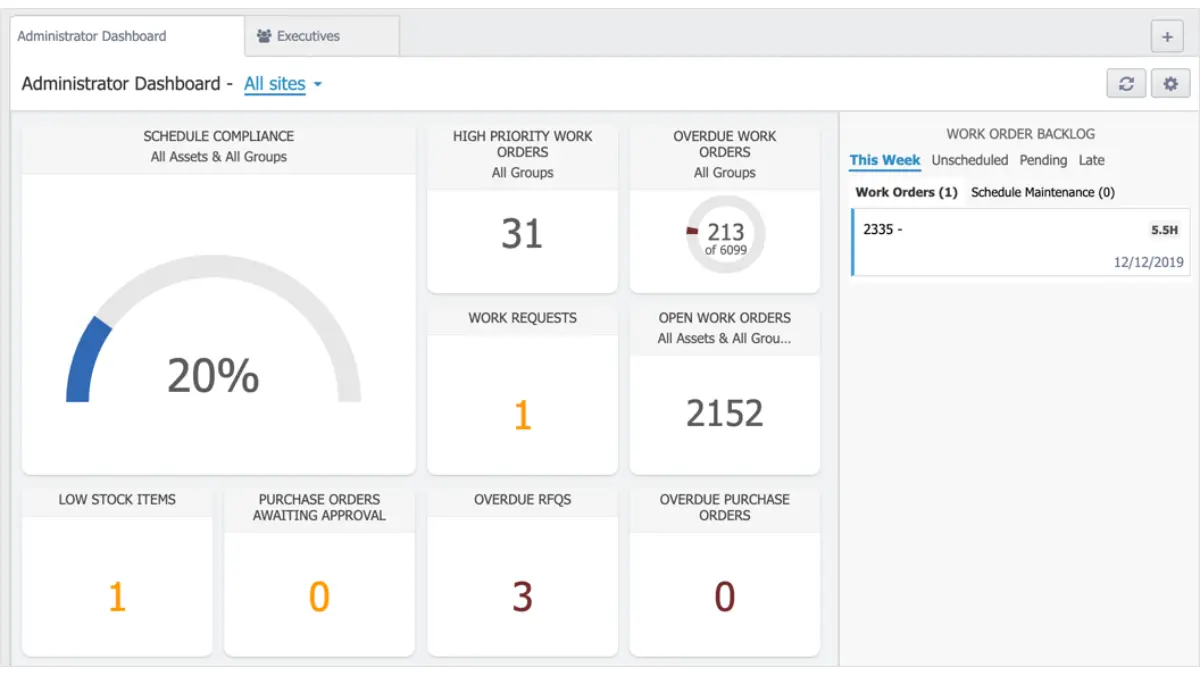
Fiix, by Rockwell Automation, is a cloud-native CMMS that emphasizes ease of use and connectivity. It is designed to help maintenance teams organize assets, manage work, and connect to other business systems.
Fiix uses AI to help users analyze data and find trends in asset performance. It is a strong choice for manufacturing plants in Australia looking to modernize their maintenance operations without a heavy on-premise installation.
Key Features
- AI-Powered Insights: “Fiix Foresight” analyzes maintenance data to suggest improvements and predict failures.
- Integration Hub: Pre-built connectors for major ERPs and IoT platforms to centralize data.
- Guest Request Portal: Allows anyone in the organization to submit a maintenance request without a license.
| Pros | Cons |
| ✓ Modern, clean user interface. ✓ Strong focus on connectivity and API. ✓ Excellent mobile app for technicians. |
× Reporting can be tricky for complex custom needs. × Costs increase significantly with advanced AI features. × Less focus on financial depreciation. |
Pricing
Starts at roughly AUD $45 per user/month, with enterprise plans available.
11. Limble
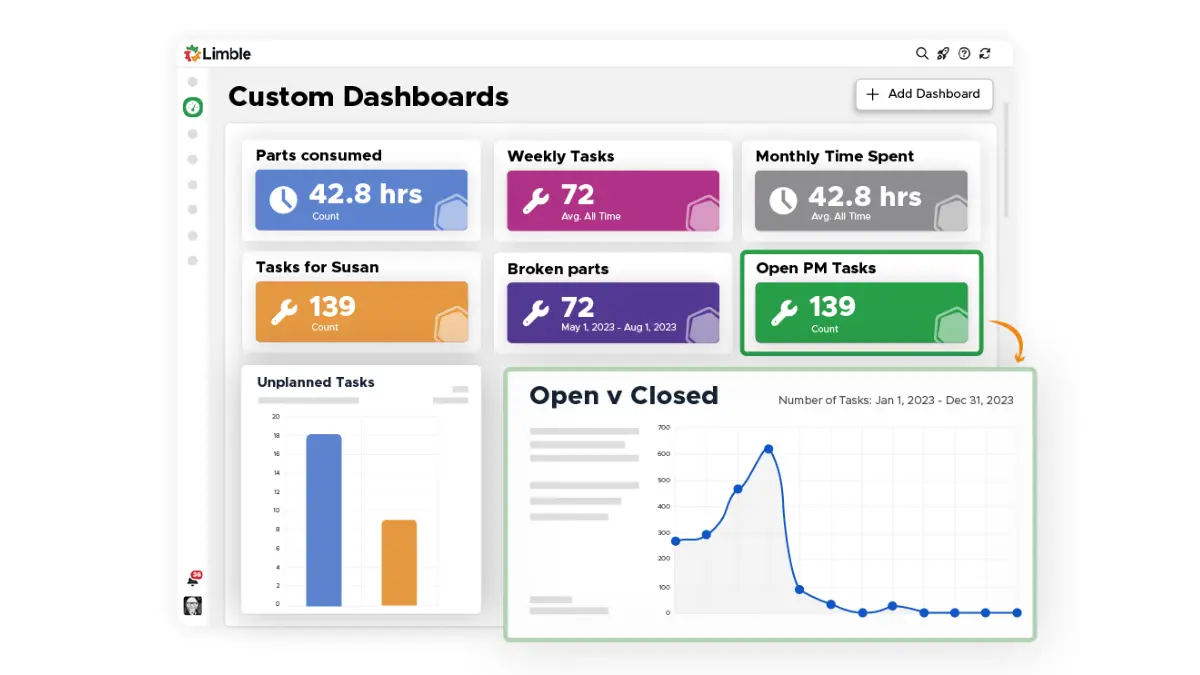
Limble is a CMMS built specifically for technicians, by technicians. It boasts one of the highest adoption rates in the industry because it simplifies the workflow for the person holding the wrench.
For Australian facility managers, Limble reduces the administrative burden. Its mobile app allows technicians to start a timer, view instructions, and close work orders in seconds, ensuring data is actually captured.
Key Features
- QR Code Instant Work Requests: Place QR codes on assets so anyone can scan and report an issue instantly.
- Modular Dashboard: Drag-and-drop widgets to see exactly the metrics you care about (e.g., overdue PMs).
- Vendor Management: Share work orders directly with external contractors and track their time.
| Pros | Cons |
| ✓ Extremely easy to use and deploy. ✓ High technician adoption rates. ✓ Excellent customer support. |
× Advanced enterprise features may be lacking. × Limited integration options compared to big EAMs. × Inventory costing is basic. |
Pricing
Starts around AUD $40 per user/month.
12. AVEVA Enterprise
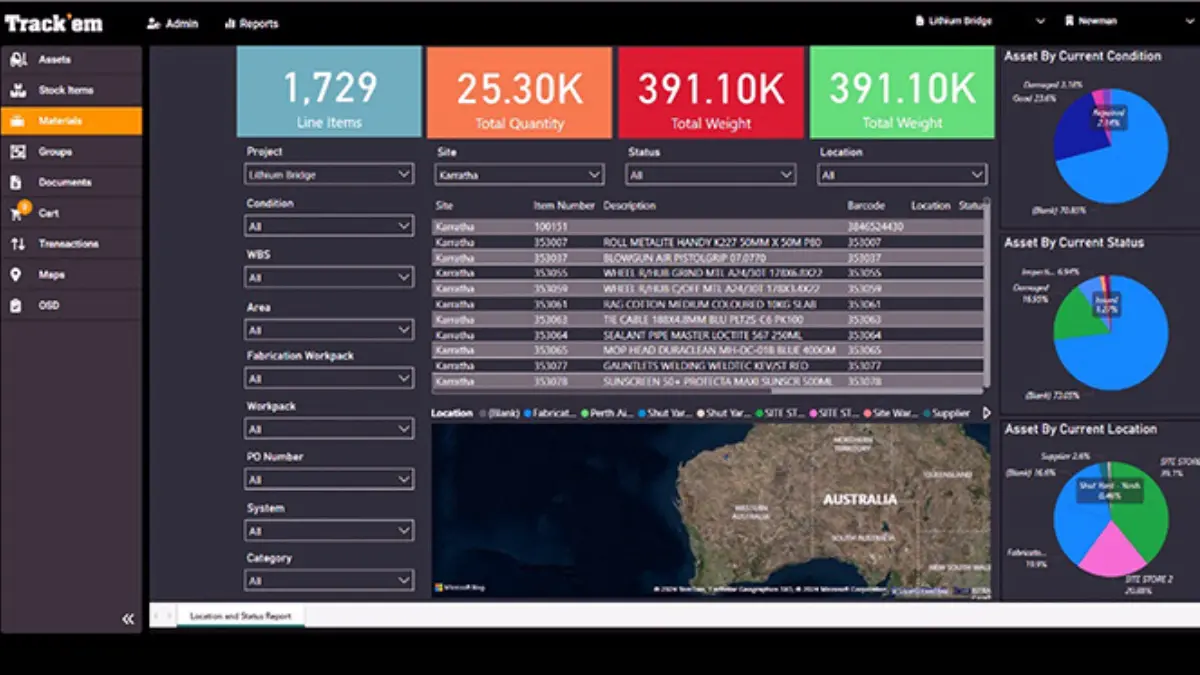
AVEVA focuses on the “Digital Twin” concept, creating a virtual replica of physical assets to simulate performance. It is a high-end solution used in process industries like oil & gas, chemicals, and power generation.
In Australia’s resource sector, AVEVA helps operators visualize complex asset relationships. It unifies engineering, operations, and maintenance data to optimize performance across the entire asset lifecycle.
Key Features
- Digital Twin Technology: Visualize asset performance in 3D and simulate operational changes before applying them.
- Unified Operations Center: A “system of systems” that converges IT and OT (Operational Technology) data.
- Asset Strategy Optimization: Uses risk-based maintenance (RBM) methodologies to balance risk, cost, and performance.
| Pros | Cons |
| ✓ Cutting-edge visualization and simulation. ✓ Deep engineering integration. ✓ Proven in high-risk industries. |
× Very high complexity and cost. × Requires significant engineering data to be effective. × Not suitable for general asset tracking. |
Pricing
Enterprise quoting only. Significant investment required.
How to Pick the Best Asset Management Software?
Choosing the best asset management software is not about picking the platform with the longest feature list. It is about choosing a system that fits your asset types, team workflow, and reporting needs.
The right asset management software should help your operations, maintenance, and finance teams work from a single source of data. If your business needs deeper tracking from purchase to maintenance and disposal, you may need asset lifecycle management software rather than a basic tracking tool.
1. Match the software to your asset volume and complexity
Start by reviewing your asset portfolio. The best choice depends on how many assets you manage and how complex they are to maintain.
- High volume, low complexity (e.g., laptops, scanners, office equipment): prioritize fast audits, easy tagging, and simple tracking workflows.
- Lower volume, high complexity (e.g., heavy machinery, plant equipment): prioritize maintenance history, work orders, uptime tracking, and reliability data.
This step helps you narrow down whether you need a lighter tracking tool, IT-focused software, or a full EAM platform.
2. Compare total cost, not just subscription price
Many teams compare monthly fees first, but software cost goes beyond the license. You also need to consider implementation, training, integrations, support, and internal time spent during rollout.
A lower upfront price can become expensive if setup takes too long or requires extra tools. When evaluating asset management software Australia options, look at total cost of ownership (TCO) over time, not just the starting price.
3. Check how well it fits your existing systems
Your software should not sit by itself. It should connect with your accounting, procurement, inventory, or ERP system so asset data stays consistent across teams.
If finance, operations, and maintenance all use different tools with no integration, reporting becomes slow and error-prone. A strong integration setup is one of the biggest factors in choosing the right asset management software for long-term use.
Conclusion
The asset management software Australia market includes everything from simple tracking tools to advanced platforms with maintenance, finance, and compliance features. The best choice depends on your asset types, team workflow, and reporting needs.
A good system should be easy for teams to use every day and reliable for audits, planning, and performance tracking. If you need end-to-end visibility from purchase to disposal, the right asset lifecycle management software can improve control and reduce downtime.
Before you decide, compare system fit, total cost, integrations, and ease of adoption. For tailored guidance, book a free consultation with our professional experts to find the right solution for your business.
FAQ About Asset Management Software
-
What is the difference between EAM and CMMS?
CMMS (Computerized Maintenance Management System) focuses mainly on maintenance scheduling and work orders. EAM (Enterprise Asset Management) is broader, covering the full asset lifecycle, including finance, procurement, planning, maintenance, and disposal.
-
How much does asset management software cost in Australia?
Costs vary widely depending on features, users, and deployment scope. Simple tracking tools may start at around AUD $10–$30/user/month, mid-range CMMS platforms often range from AUD $40–$100/user/month, while enterprise systems usually use custom pricing and may include separate implementation fees.
-
Why is depreciation management important for Australian businesses?
Accurate depreciation management helps businesses meet ATO requirements and claim the correct tax deductions for asset wear and tear. It also keeps financial reports and balance sheet values more accurate for audits, planning, and compliance.
-
Can I use spreadsheets for asset management?
Yes, but only for very small asset registers with low complexity. As your business grows, spreadsheets become harder to manage because they are prone to manual errors, lack audit trails, and cannot automate maintenance reminders or lifecycle tracking.
-
What is the best software for tracking IT assets?
For IT-focused tracking (such as laptops, servers, and software licenses), dedicated ITAM tools are often a better fit because they are built for device lifecycle and license management. If you need to manage IT assets together with operational equipment, furniture, or machinery, a broader asset management or EAM platform may be more practical.